A Porcelain Cargo Shipwreck Rewrites a Deep-Water Trade Route off Norway
A nearly intact eighteenth-century wreck below the Skagerrak has preserved stacked Chinese porcelain, glass and sealed crates, giving archaeologists a rare deep-water snapshot of northern Europe’s luxury trade.
Emma Rybar ·
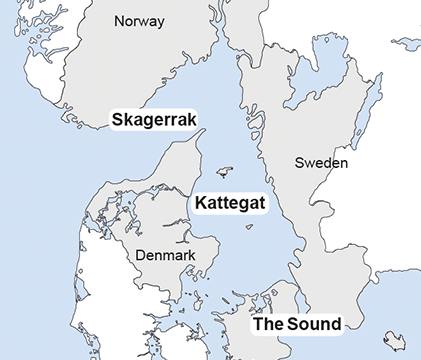
Nearly two thousand feet below the surface off Norway, an eighteenth-century merchant vessel has become a small, sealed chapter of global trade. Archaeology Magazine, summarizing reporting from ScienceNorway, described a wreck lying almost intact with Chinese porcelain still stacked on the seabed. Researchers also reported glassware, chandeliers and sealed crates, the kind of fragile cargo that normally breaks apart, scatters or disappears beneath marine growth before archaeologists ever see it.
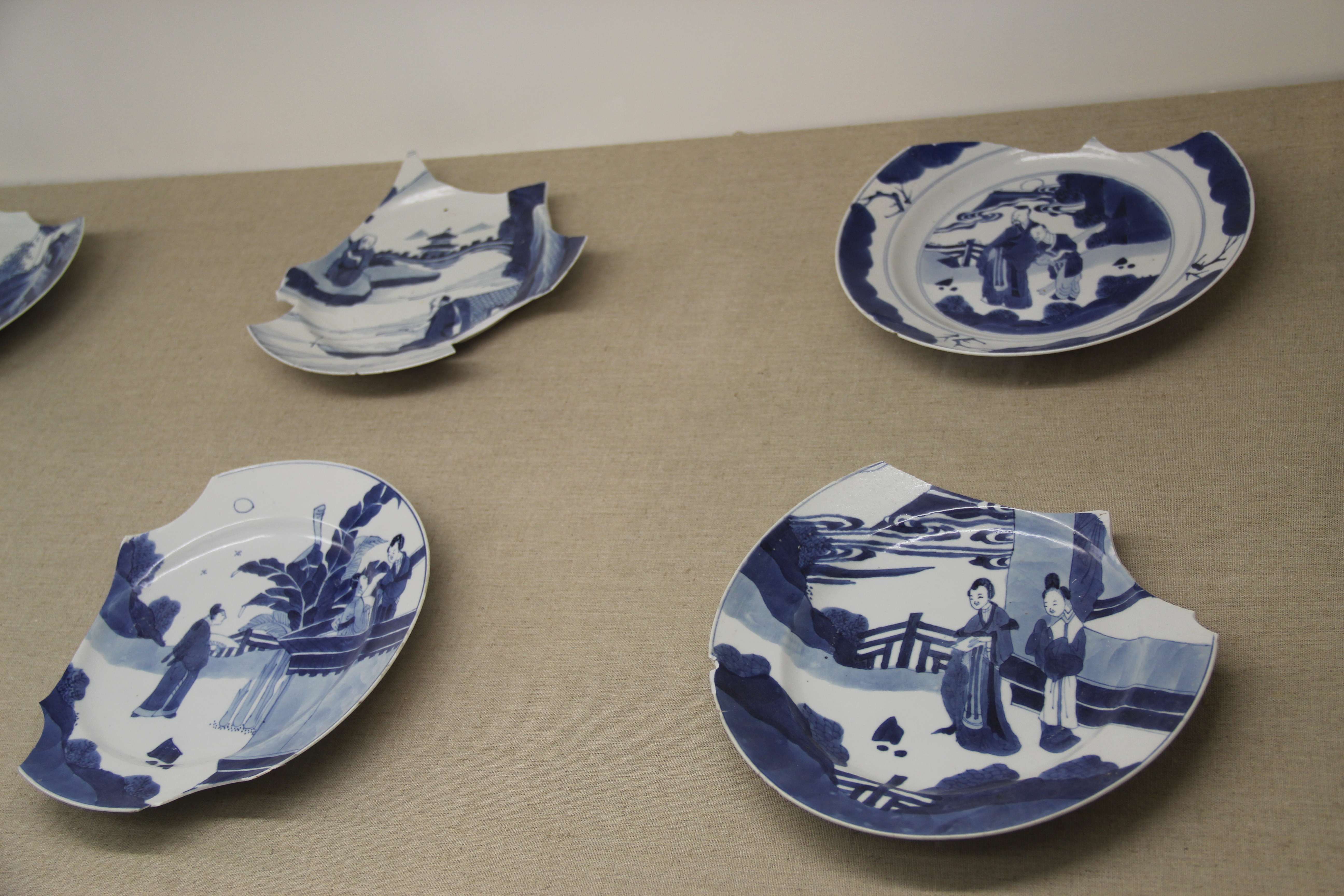
The most important part of the discovery is not treasure value. It is preservation. Sven Ahrens of the Norwegian Maritime Museum noted that cargo is often found broken or overgrown, while here plates were visible in whole stacks. That changes what researchers can ask. Instead of identifying a few loose fragments, they can study how the ship was loaded, which objects travelled together, and how luxury goods moved through northern European ports before reaching shops, households or estates.
The wreck’s likely route points beyond Norway. Archaeologists think the small cargo ship operated within northern Europe and may have picked up Chinese porcelain in Gothenburg, Copenhagen or Amsterdam. That is a reminder that “Chinese porcelain” in an eighteenth-century Norwegian wreck is not an exotic footnote; it is evidence of a chain linking Asian production, Dutch and Scandinavian commercial hubs, coastal shipping, insurance, taste and everyday risk at sea. A plate in a stack can therefore speak both about fashion and about infrastructure.
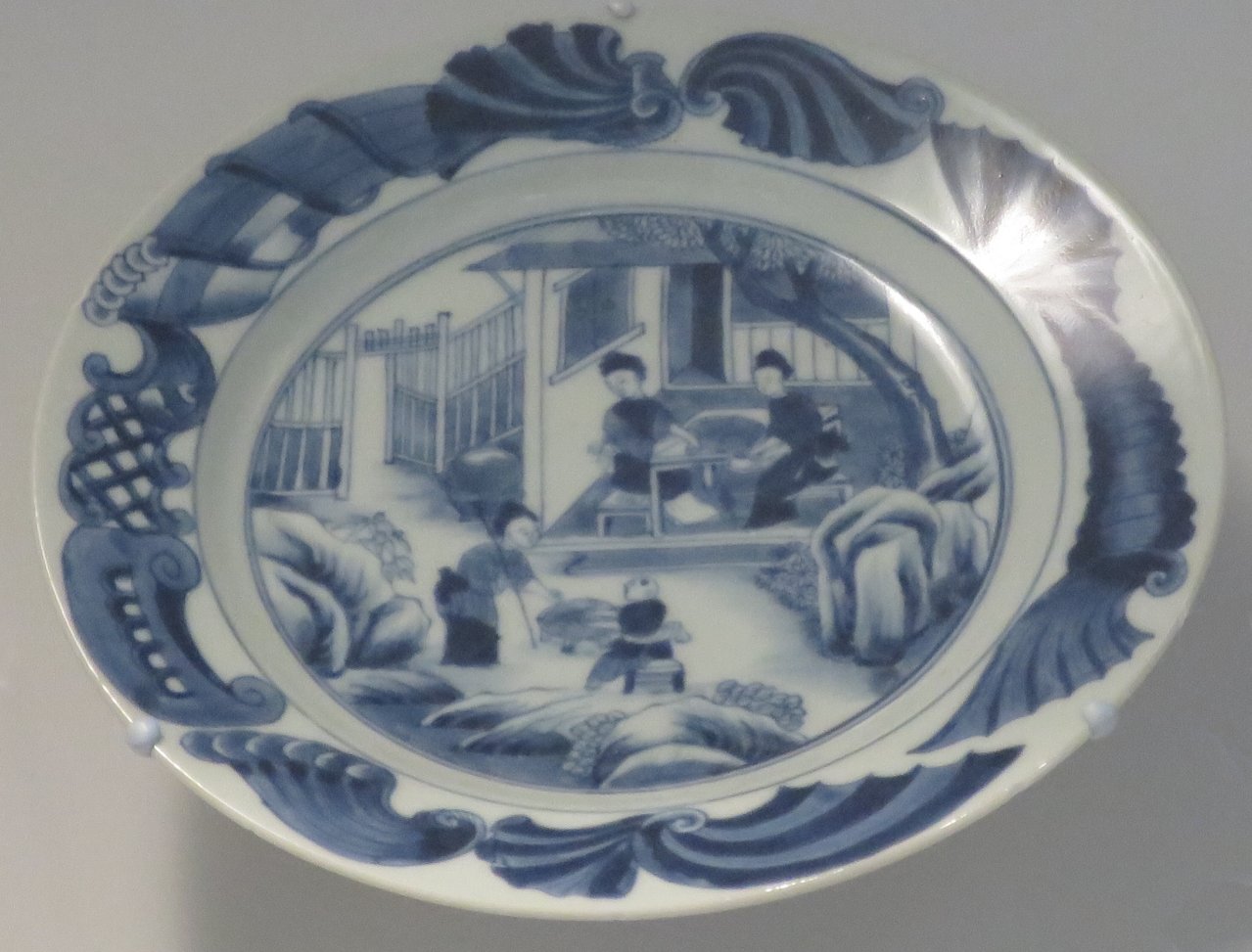
The method matters as much as the cargo. A remotely operated underwater vehicle with a robotic arm and suction cups reportedly brought about forty artifacts to the surface, while researchers built a three-dimensional model and a map of the site. In deep water, careful recording is essential because every movement changes the archaeological context. The model lets specialists return to the arrangement of objects after weather, cost or conservation limits have ended a dive window.
The Skagerrak setting also explains why the find is plausible. This waterway links the North Sea with the Kattegat and Baltic approaches, a busy and sometimes dangerous corridor for vessels carrying goods between Atlantic, Dutch, Danish, Swedish and Norwegian markets. Small cargo ships did not need to cross oceans to be part of world history; they redistributed the results of world trade along regional routes.
For readers, the discovery is a useful correction to the way shipwrecks are often imagined. The most informative object may be a stack of ordinary-looking plates, because repeated forms, packing order and wear can reveal purchasing networks and cargo handling better than a single spectacular ornament. A sealed crate may also protect labels, packing material or grouped objects that explain how merchants thought about value.
There are limits. The public reports do not yet identify the ship by name, owner, final destination or cause of sinking. Porcelain can date a cargo only within ranges, and a wreck can be mixed by currents or later disturbance. The optimistic part is practical rather than romantic: cold depth has protected an archive that divers could not easily loot and waves could not easily grind away. If conservation and documentation continue carefully, the wreck may give historians a unusually precise view of how imported luxuries moved through northern Europe one risky voyage at a time.