Teeth from Payre Show Early Neanderthals Were Not a Single Template
A micro-CT study of nine teeth from Payre in southeastern France shows that Neanderthal evolution around 250,000 years ago was regionally varied, shaped by isolation, contact and climate rather than a simple straight line.
Simon Glass ·
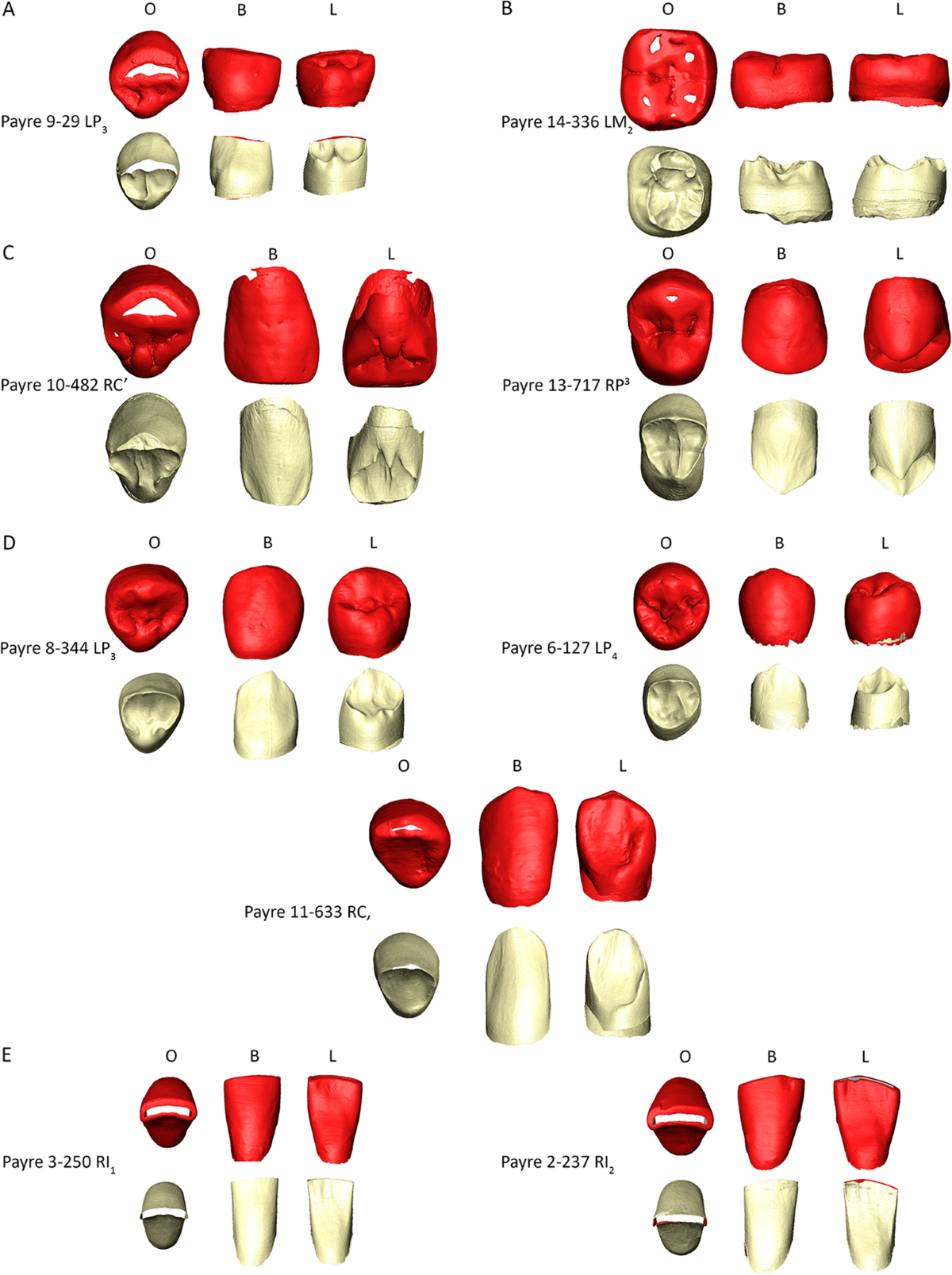
Nine teeth from the cave site of Payre in southeastern France sound, at first, like a very small archive. They are not a skull, a skeleton or a dramatic tool kit. Yet for paleoanthropologists, teeth are among the most durable documents the body can leave. A new open-access study led by Laura Martín-Francés at CENIEH re-examined the Payre dental remains with micro-computed tomography, geometric morphometrics and measurements of dental tissue. The result is a more precise view of early Neanderthal diversity around 250,000 years ago.
The mechanism is simple to state and difficult to execute. A tooth has an external crown shape, but it also has internal architecture: enamel thickness, dentine proportions and the enamel-dentine junction, the hidden boundary where the two tissues meet. Micro-CT lets researchers inspect that interior without cutting the fossil. Geometric morphometrics then turns shape into comparable data, so a premolar or canine from Payre can be set beside fossils from Biache-Saint-Vaast, Montmaurin, Sima de los Huesos, later Neanderthals and modern humans.
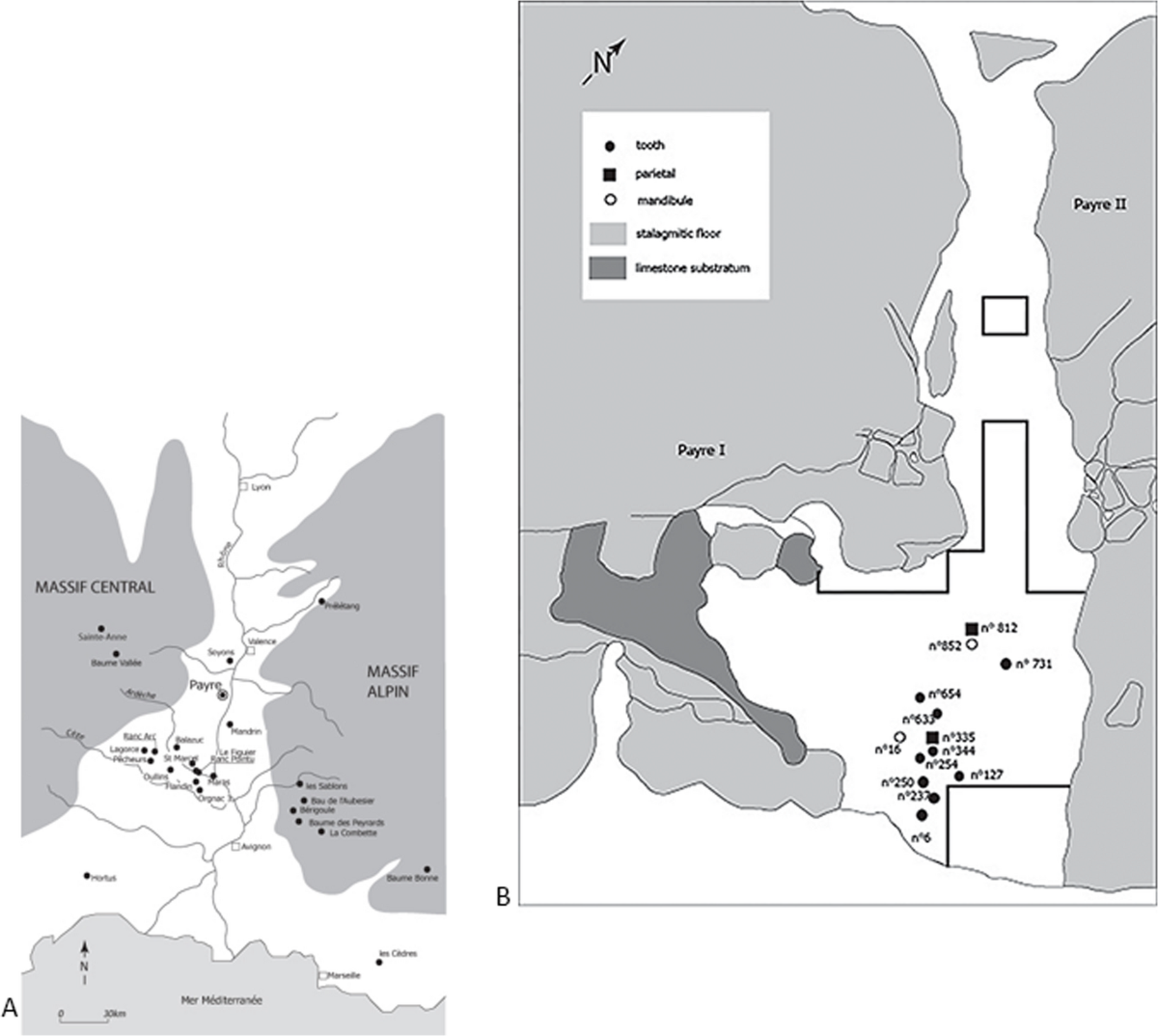
The Payre teeth came from several archaeological levels dated broadly to the Middle Pleistocene, especially the climatic interval known as Marine Isotope Stage 7. That period matters because Europe was not one stable habitat. Glacial and interglacial shifts opened and closed routes, changed vegetation and animal communities, and could separate human groups for long stretches before bringing them back into contact. Teeth preserve part of that demographic history because inherited shape does not change as quickly as a tool style or a camp location.
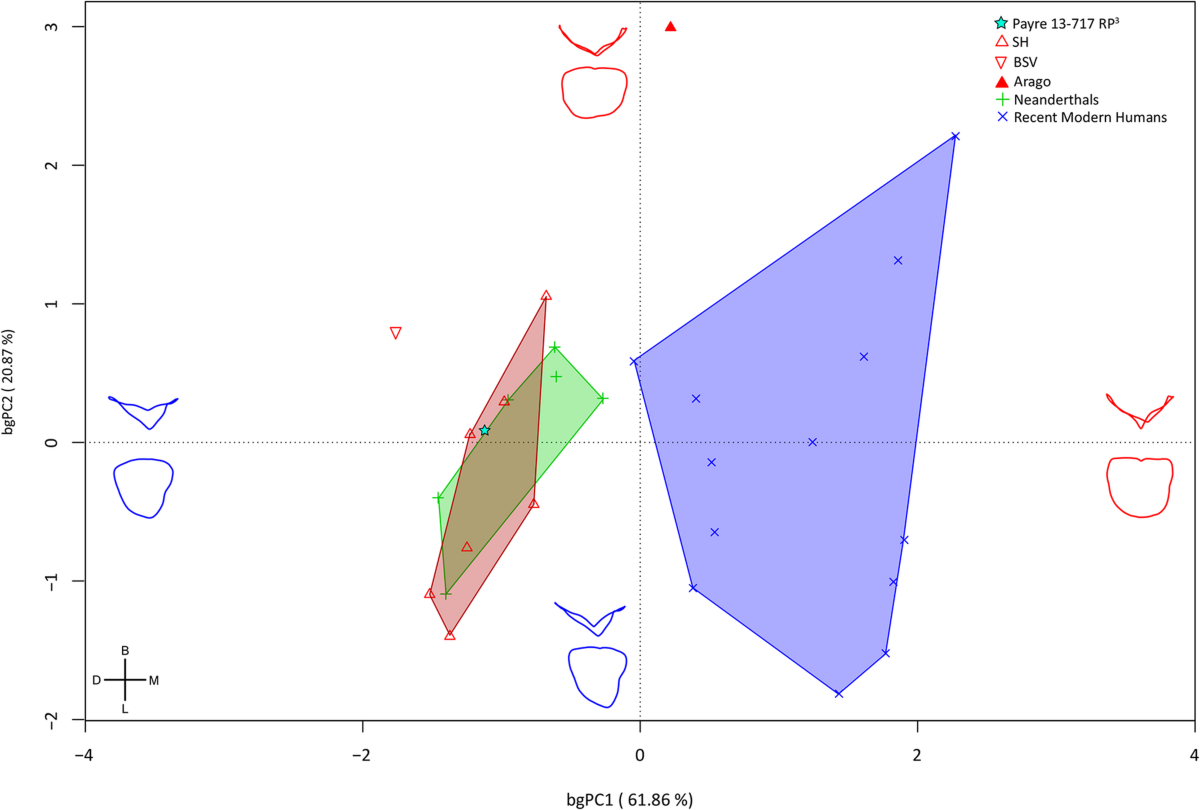
The study found that Payre fits within the Neanderthal lineage, but not as a neat preview of the later “classic” Neanderthal form. Some traits align closely with other MIS 7 fossils from France, while others are shared with older material such as Atapuerca-Sima de los Huesos. The sample also varies within itself. In the authors’ interpretation, that mixture supports a Europe of regionally structured populations: small groups, sometimes isolated, sometimes connected, shaped by climate and local history.
The work also shows why museum collections keep gaining value. Several Payre fossils had been known before this reassessment, but newer scanning and shape-analysis tools let researchers ask questions that earlier descriptions could not answer as cleanly. That does not make old fieldwork obsolete; it makes careful excavation, labelling and conservation more powerful over time. A tooth stored with its level, side, tooth type and site context can become newly informative decades later.
That is why the discovery is useful beyond specialist dental anatomy. It replaces a ladder with a landscape. Instead of asking whether a fossil is primitive or advanced, readers can see how evolution works through populations spread across valleys, caves, river corridors and changing climates. Neanderthals were not a single finished type waiting to appear. They were a lineage with local histories.
There are limits. Nine teeth cannot describe every person who lived at Payre, and dental traits cannot name an individual’s language, culture or exact ancestry. The levels also cover time, not a single afternoon in one cave. The strongest conclusion is careful rather than spectacular: by reading tiny structures inside fossil teeth, researchers can see that early Neanderthal evolution in Europe was dynamic, regional and uneven. That makes the deep past less tidy, but far more human.