A wildlife “symphony” in Sierra Leone shows what carbon finance can — and cannot — prove
In Sierra Leone’s Gola landscape, forest protection funded partly by carbon credits is being judged not only by trees and tonnes, but also by returning wildlife sounds and field evidence.
Nina Kaplan ·

The phrase “a symphony of wildlife” is more than a pretty metaphor when it is tied to field evidence. In Sierra Leone’s Gola landscape, conservation groups have argued that forest protection supported partly by carbon finance is beginning to show up in the living forest itself: more calls, more sightings, more signs that animals can use the habitat when hunting pressure, forest loss and fragmentation are reduced. The important question is not whether the story sounds hopeful. It is what the monitoring can actually show.
Gola sits within the Upper Guinean forest region, one of West Africa’s most important and threatened rainforest systems. The area is known for high biodiversity, including rare birds, primates, amphibians and forest mammals, while nearby communities depend on land, crops, forest products and roads. Carbon financing enters the picture through a simple but demanding mechanism: if a project can credibly show that forest protection avoids emissions that would otherwise occur, verified credits can help pay for patrols, community agreements, jobs, monitoring and alternative livelihoods.
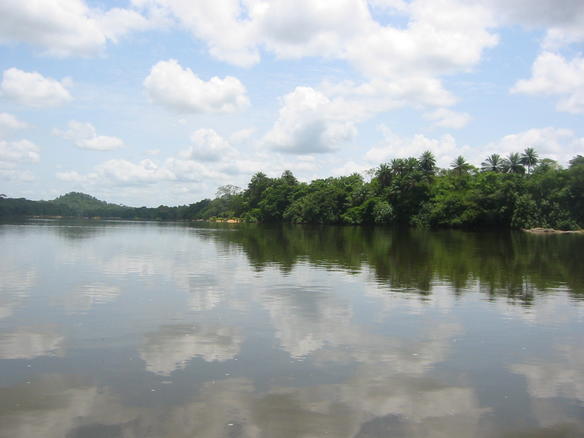
The wildlife part matters because carbon tonnes alone do not tell the whole ecological story. A forest can store carbon and still be emptied of animals by hunting, roads or disturbance. Acoustic recorders, camera traps, ranger observations and species surveys can reveal whether the forest is becoming quieter or more alive. Birds calling at dawn, frogs after rain, primates moving through canopy and mammals appearing on camera are not proof by themselves, but together they create a biological audit trail. They help test whether a carbon project is also protecting habitat quality.
The mechanism has several links. Keeping tree cover reduces carbon loss and preserves shade, humidity and food webs. Better enforcement can lower illegal logging and hunting. Community benefits can reduce the pressure to clear forest if they are real, fair and predictable. Long-term monitoring can reveal whether species return to areas where disturbance falls. When these links align, carbon finance can become more than a spreadsheet: it can support the conditions that let a rainforest keep functioning.
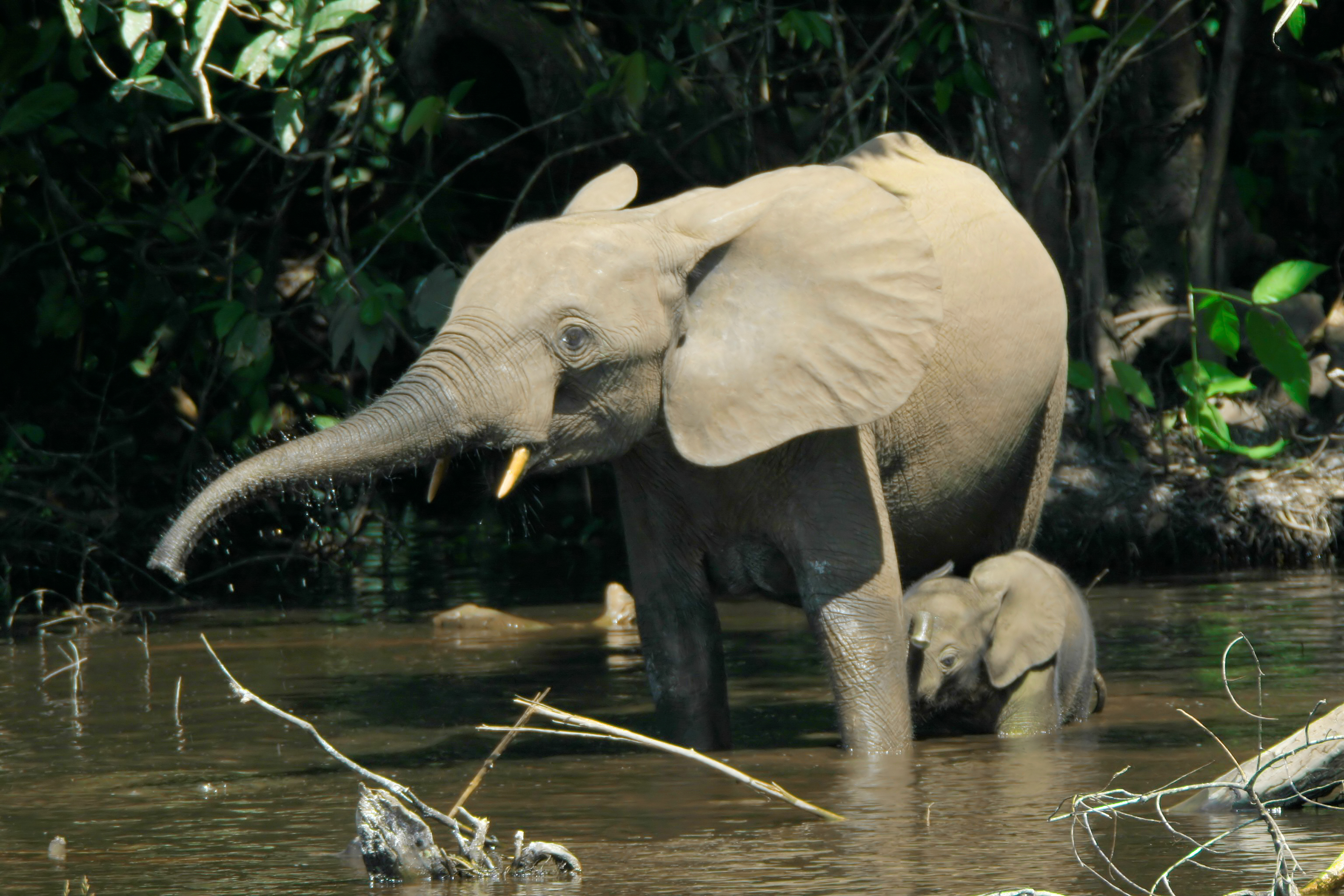
The limits are equally important. Carbon projects are contested for good reasons. They must prove additionality, avoid leakage to nearby forests, protect carbon for decades, and account honestly for fire, disease, politics and market incentives. Biodiversity signals can be seasonal, local and hard to compare. A louder forest in one monitoring zone does not automatically prove that the whole project is working, or that communities are benefiting fairly. Independent audits, transparent baselines and local consent are not paperwork; they are the credibility of the claim.
Read carefully, the Sierra Leone story is encouraging precisely because it does not have to pretend that carbon credits are magic. It suggests a better standard: judge forest finance by multiple ledgers at once. Count carbon, but also listen for wildlife, measure habitat, ask communities, and keep checking whether protection is durable. If the forest is becoming both a carbon store and a livelier home for species, that is worth attention. If one ledger improves while another fails, the project needs correction before the music becomes marketing.