ACT programme for parents of children with disabilities points to calmer, more flexible support
A Swedish randomized trial of Navigator ACT found lower parenting stress and greater psychological flexibility among stressed parents of children with neurodevelopmental disabilities, while leaving clear limits about scale, follow-up and individual care.
Noah Circuit ·
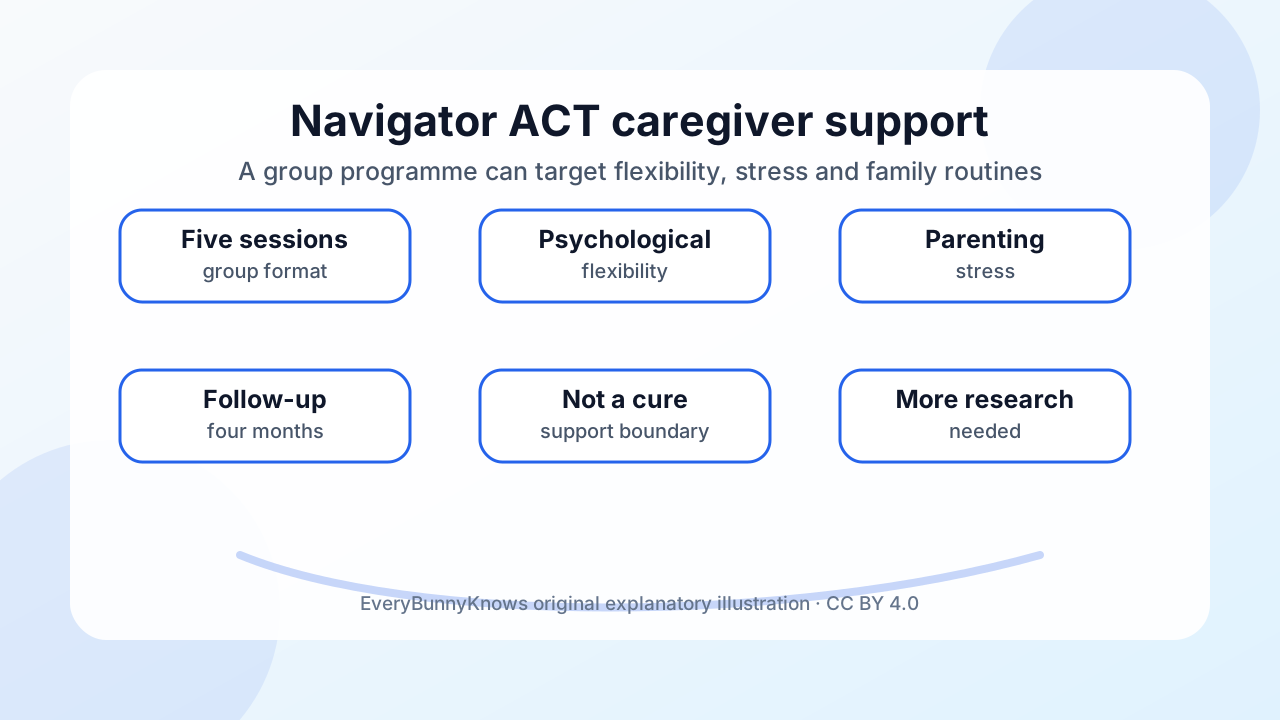
A randomized trial from Sweden gives a careful, practical answer to a question many families already know intimately: what helps parents stay steady when the demands of disability care are relentless? The study, published in Autism Research, tested Navigator ACT, a five-session group programme based on acceptance and commitment therapy, for stressed parents of children with neurodevelopmental disabilities such as autism, ADHD, intellectual disability and acquired brain injury.
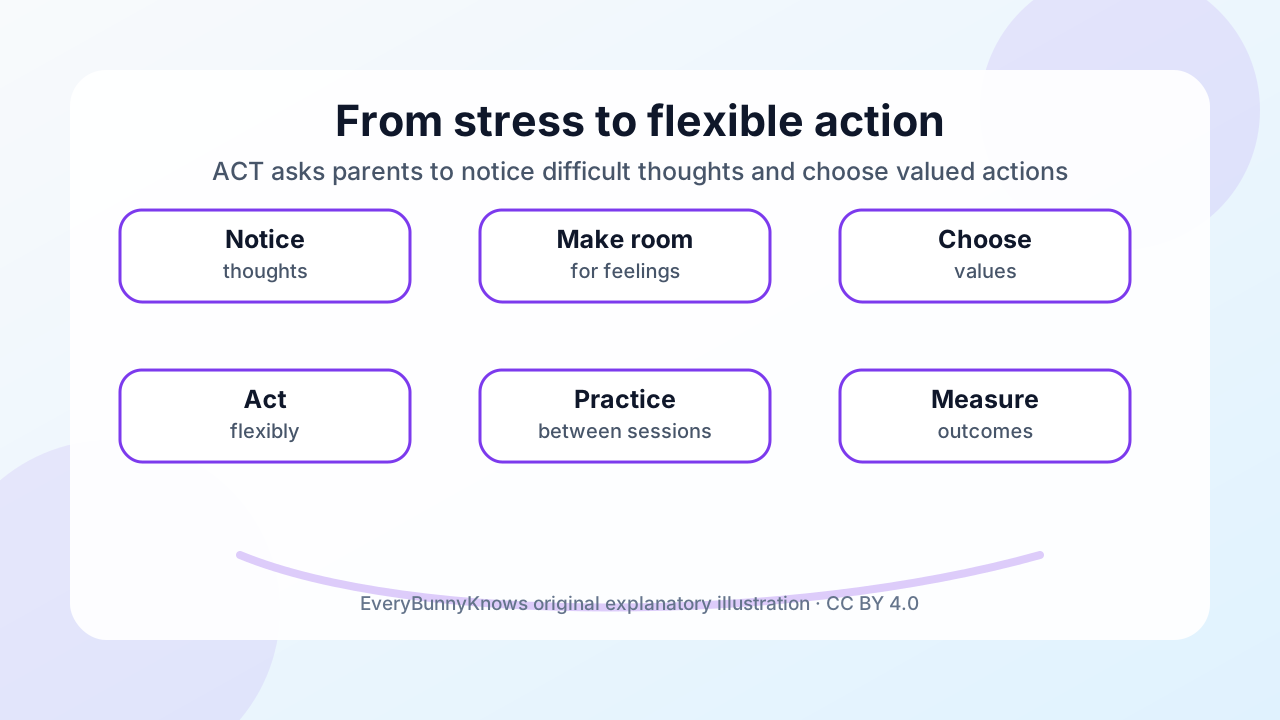
The mechanism is not motivational cheerleading. ACT tries to increase psychological flexibility: the ability to notice painful thoughts and feelings, make room for them without being ruled by them, and still choose actions connected to care, values and daily family life. For a parent, that may mean responding to a difficult school call, a meltdown or a medical appointment with a little more room between stress and reaction.
The trial randomly assigned 137 distressed parents in Swedish outpatient disability services to Navigator ACT or treatment as usual. According to the PubMed abstract, 83.3% of parents in the ACT group completed the full course. Compared with treatment as usual, the ACT group reported significantly lower psychological inflexibility and lower parenting stress, and those gains were still present at four-month follow-up. Parents also reported greater improvement in children’s prosocial behaviours, while group differences were not significant for parental depression, anxiety, mindfulness or children’s difficulties.
That pattern matters because caregiver stress is not a side issue. When support focuses only on the child’s diagnosis, the parent’s capacity can become invisible. Navigator ACT was designed for mixed disability groups rather than one diagnosis, which may make it easier for public services to offer support without building a separate course for every condition.
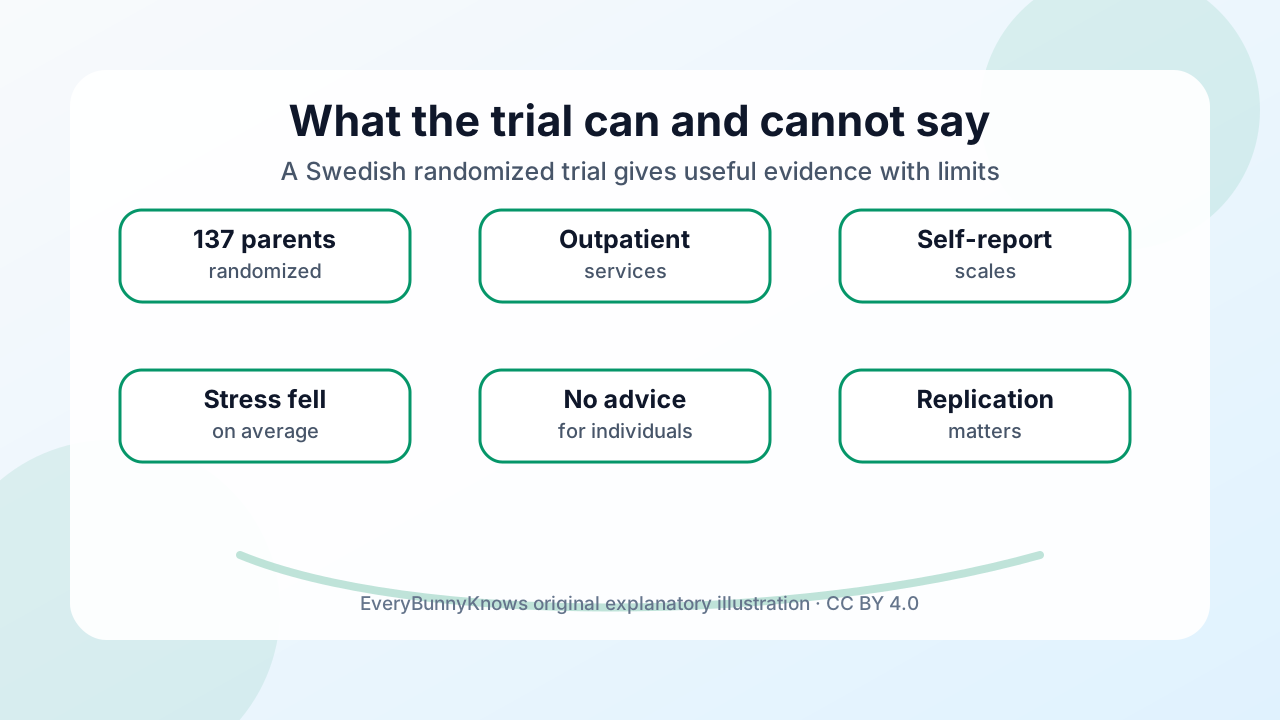
The limits are important. This was one national service setting, the outcomes were largely self-reported, and follow-up lasted four months, not years. The study does not prove that ACT replaces respite, financial help, school support, clinical care or crisis services. It also should not be read as advice for any individual family to start, stop or choose a therapy without qualified local guidance.
For services, the practical question is not whether every parent should receive the same course. It is whether caregiver support can be made easier to reach, culturally adaptable and coordinated with school, respite and clinical services. A brief group programme may be attractive because it uses shared practice and peer recognition, but the same format can miss families whose work hours, transport, language needs or crisis level make attendance difficult.
The useful hope is narrower and stronger: trained, structured support can help some parents carry unavoidable stress with less rigidity. If larger and longer studies confirm the result, caregiver support could be treated less like an optional add-on and more like part of responsible disability care.