The Aeolian Islands: Volcanoes, Clear Water and the Taste of Slow Sicily
North of Sicily, the Aeolian Islands are a travel lesson in living geology: seven UNESCO-listed volcanic islands, ferry-linked villages, Stromboli, Vulcano, capers, Malvasia wine and clear water best understood slowly.
Noah Circuit ·
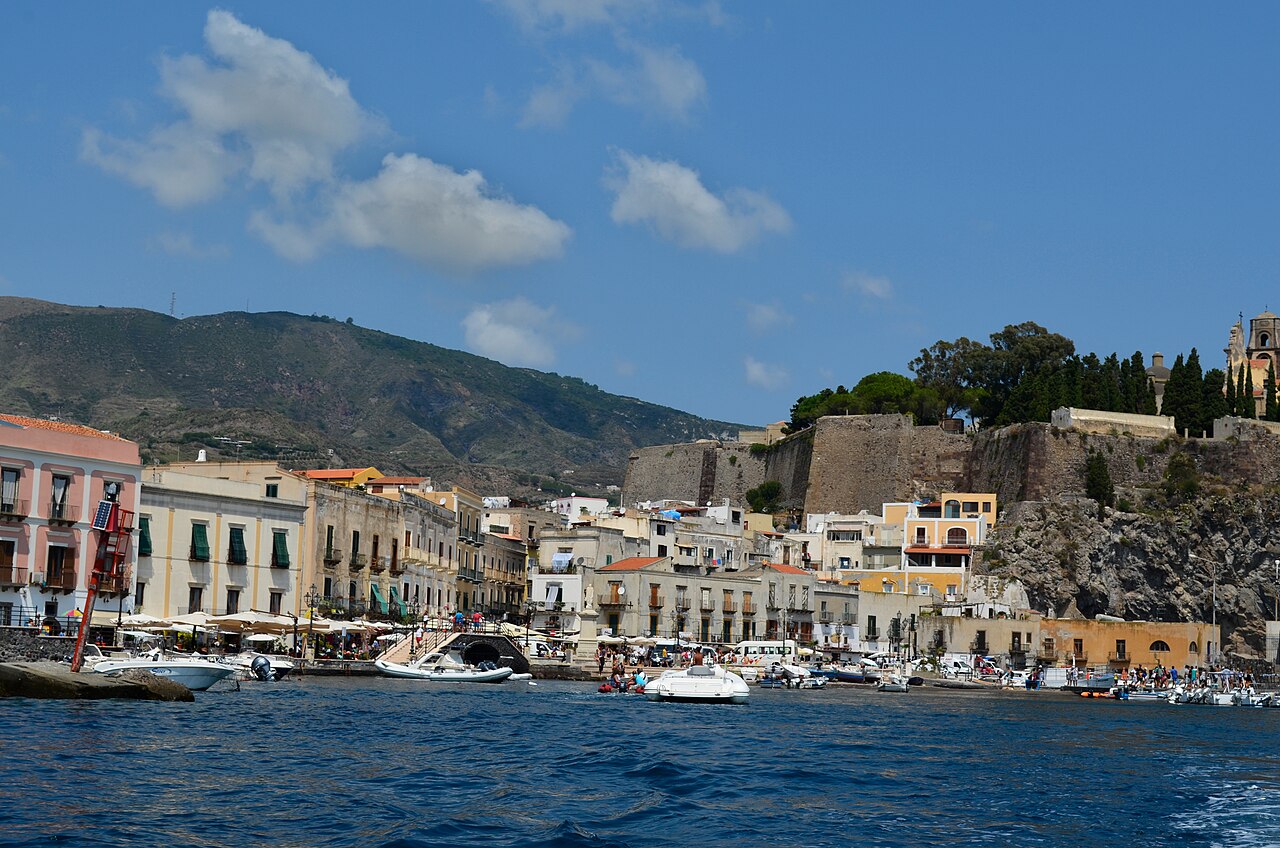
The Aeolian Islands sit in the Tyrrhenian Sea north of Sicily, but they are better understood as a small volcanic system than as a single beach destination. Lipari, Vulcano, Salina, Stromboli, Panarea, Filicudi and Alicudi are linked by ferries, weather and a shared geology that is still active enough to shape everyday travel. UNESCO inscribed the archipelago in 2000 because the islands provide textbook examples of volcanic forms and eruption styles; the very words “Vulcanian” and “Strombolian” come from observations tied to Vulcano and Stromboli. That makes the islands unusually readable: a harbour, a black beach or a smoking slope is not decoration, but evidence.
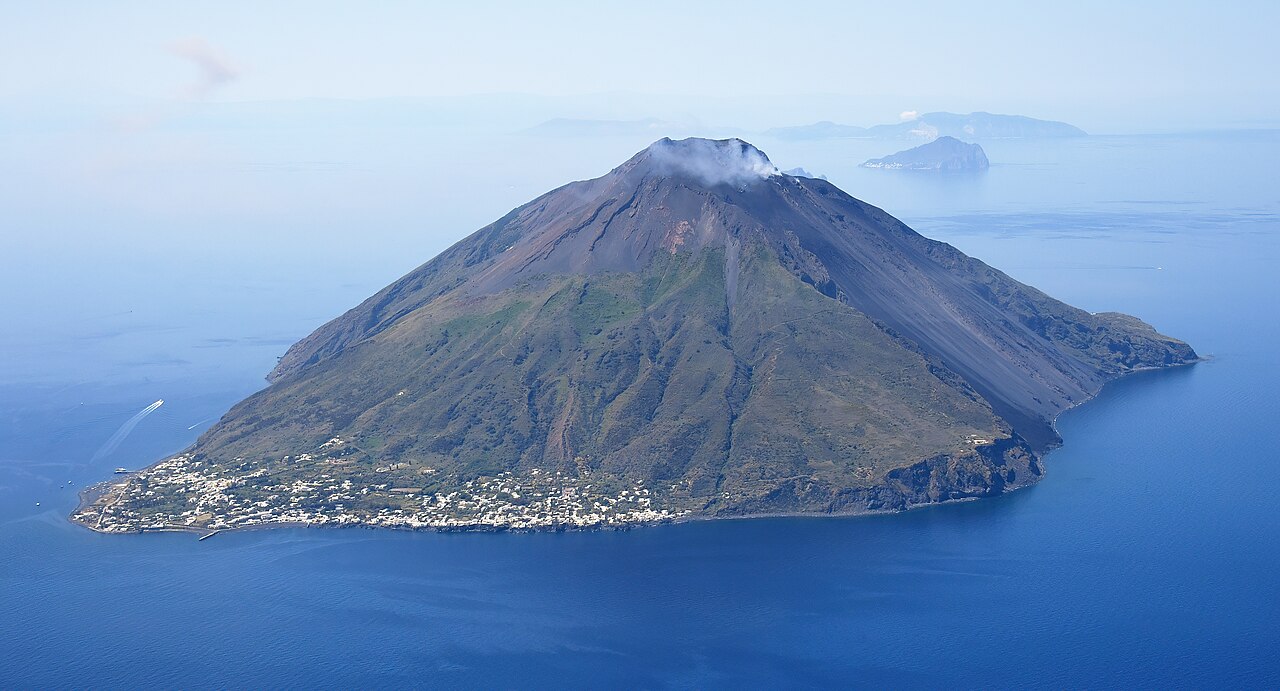
Stromboli is the most direct lesson. Its cone rises from the sea and its Sciara del Fuoco, the scarred slope down which material falls, shows how the volcano releases energy. Visitors often hope to see a night glow, but access is not a romantic certainty. Routes, viewing points and guided excursions depend on current volcanic activity, civil-protection rules, weather and local authorities. The mechanism matters because it keeps awe tied to safety: these are living volcanoes, not museum pieces.
Vulcano explains another sensory layer. Fumaroles, sulphurous odours, warm ground and crater colours show gases and heat escaping through fractured rock. Hydrothermal activity can make a walk feel dramatic, yet it is also the reason restrictions may appear when gas levels, slope stability or eruption risk change. The clear water around coves and offshore rocks belongs to the same physical story. Much of the coastline drops quickly from lava, pumice and tuff rather than from long resort sand, so visibility can be beautiful when wind and currents cooperate. On a rough day, the same sea can cancel boats and redraw an itinerary.
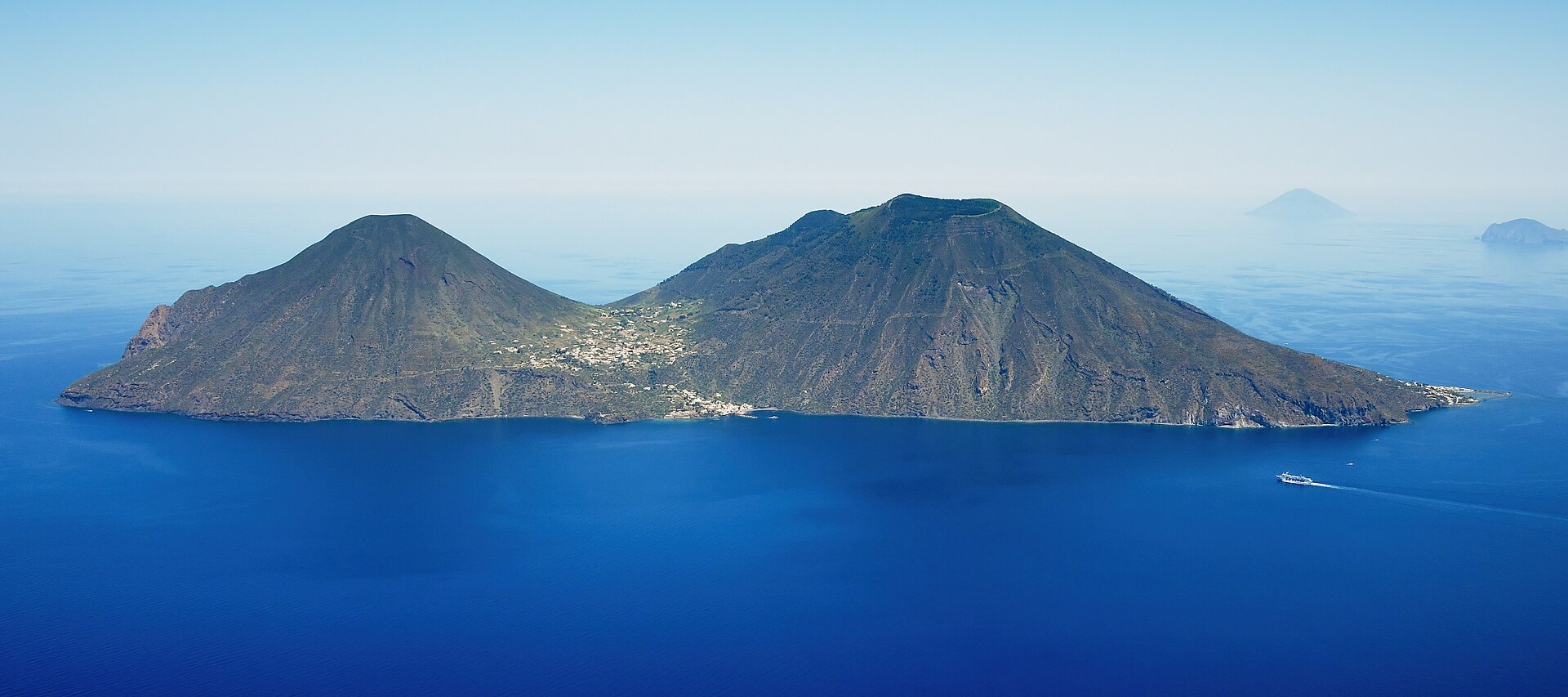
The islands are not all fire, ash and crater drama. Lipari is the practical base, with the main port, the archaeological museum and back streets that make evenings feel local rather than staged. Salina is greener, with twin extinct volcanoes, vineyards, caper fields and villages such as Santa Marina, Malfa and Pollara. Its capers and Malvasia delle Lipari, a sweet aromatic wine with deep local associations, turn geology into taste: volcanic soils, terraces, exposure, salt wind and patient harvesting become things you can put on a plate.
That food culture keeps the archipelago from becoming only a postcard. Capers, tomatoes, anchovies, tuna, swordfish, granita, lemons and simple pasta dishes make sense on islands where supplies, seasons and ferry timetables still matter. A good meal after a swim is part of the travel mechanism, not an add-on; it shows how small places convert scarcity, climate and sea routes into flavour. The best restaurants do not need to pretend the islands are untouched. They simply make the connection between harbour, garden and kitchen visible.
The limits are practical and ethical. High summer brings heat, crowded boats, pressure on water and waste systems, and prices that can make small communities feel overrun. A wiser visit chooses one or two islands, checks ferry reliability, respects closed volcanic paths and leaves space for residents who are not part of the scenery. The hopeful version of the Aeolians is slower: let Stromboli explain risk, Salina explain agriculture and Lipari explain continuity. Then the clear water becomes more than a view; it becomes the surface of a landscape still being made.