Thorin’s DNA Reveals a Neanderthal Lineage That Lived Apart
Genome work on the Neanderthal nicknamed Thorin from Grotte Mandrin in France shows that some late Neanderthal groups were separated for tens of thousands of years, making extinction look less like one event and more like a fragile patchwork of small populations.
Marco Linden ·
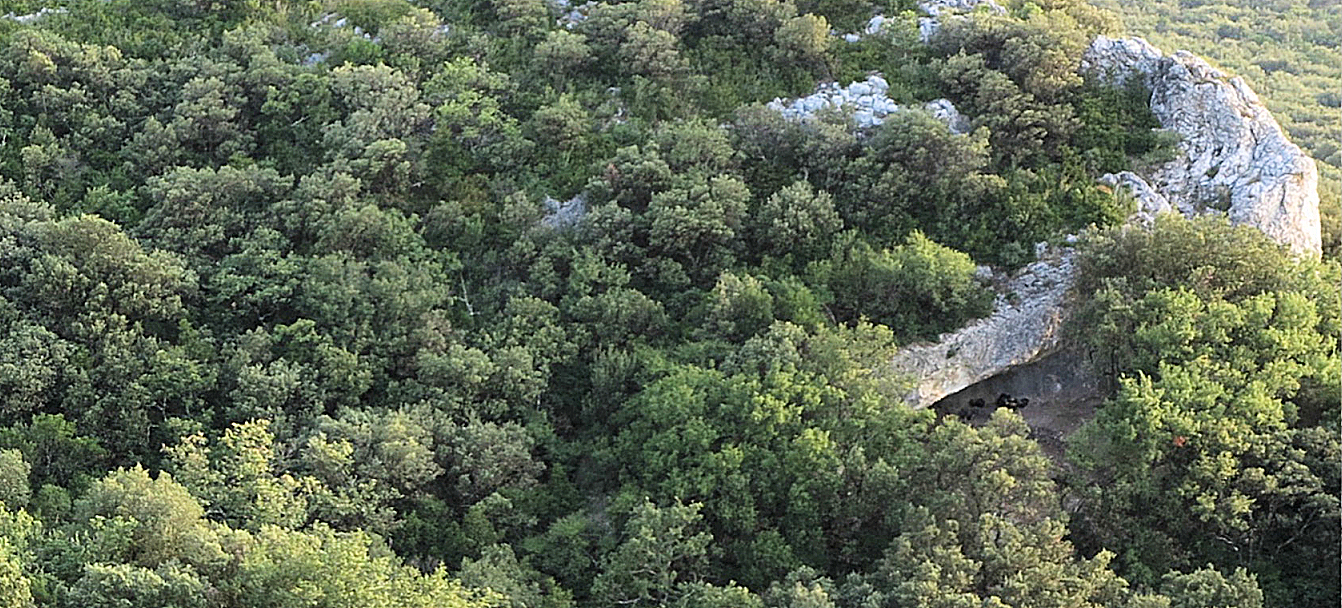
The Neanderthal nicknamed Thorin did not need a complete skeleton to change the story of late Neanderthal Europe. Genetic material from remains found at Grotte Mandrin in the Rhône valley of southern France points to a lineage that had lived apart from other known late Neanderthals for an astonishingly long time. The result, published in Cell Genomics, makes the end of the Neanderthals look less like a single collapse and more like a continent of small, unevenly connected groups.
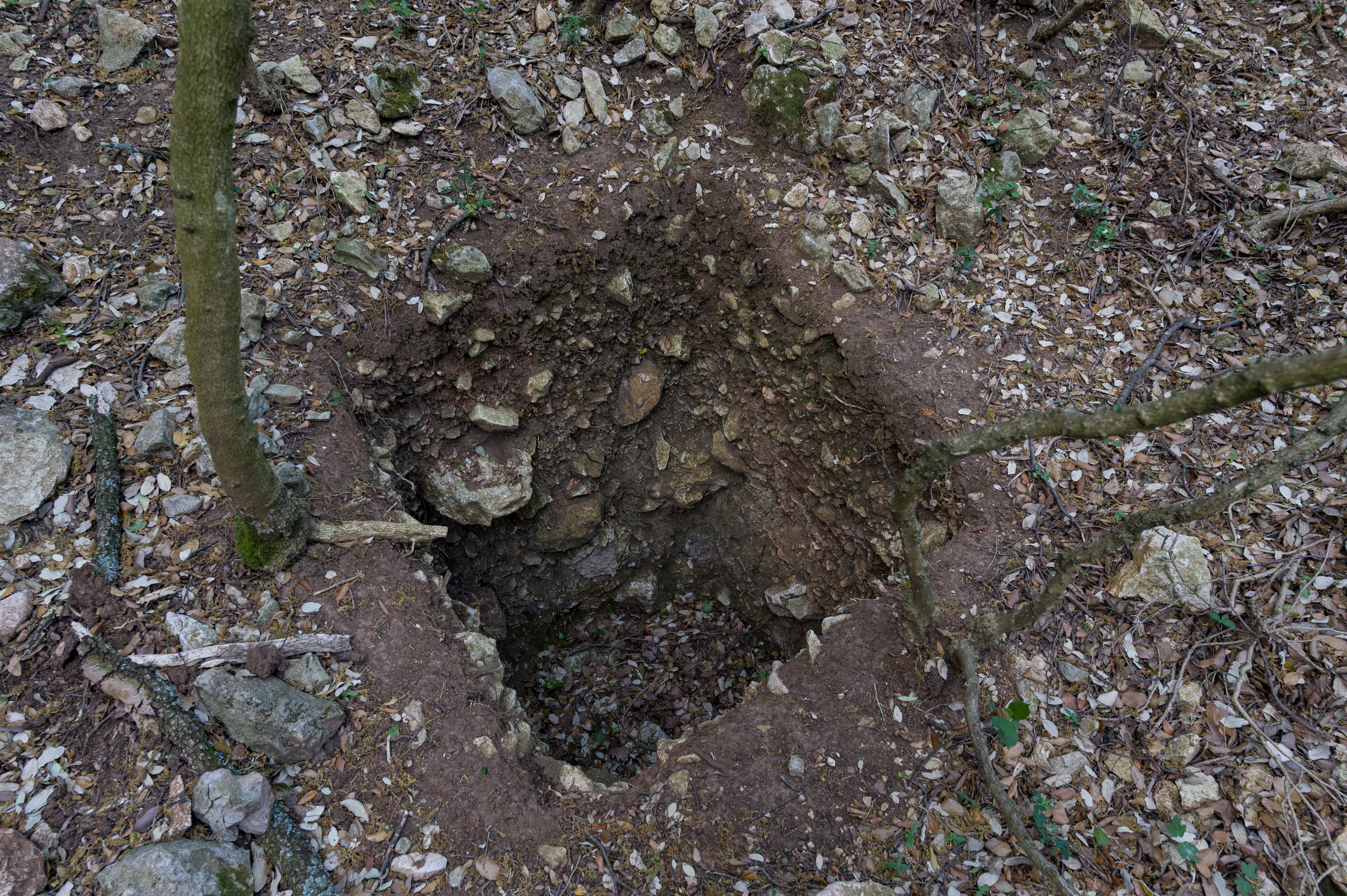
The mechanism is paleogenomics. Researchers do not simply look at a bone and declare a population. They compare inherited genetic variants with other Neanderthal genomes from Europe and Asia, estimate when lineages last shared ancestors, and test whether recent gene flow links one group to another. Thorin’s genome sits on the Neanderthal family tree, but it does not sit comfortably beside the late Neanderthals previously known from other regions. The analysis indicates a deep split and long isolation, often summarized as roughly fifty thousand years without much detectable exchange with neighboring Neanderthal populations.
That is why the phrase “frozen in time” is useful only if handled carefully. Thorin’s group was not literally unchanged, and no human population is a fossil in life. What appears frozen is the genetic separation: a local branch preserving ancestry that other late Neanderthal genomes no longer show in the same way. In a landscape of caves, river corridors, cliffs and changing climates, a small population could persist with limited contact even while other Neanderthals lived within a broader European world.
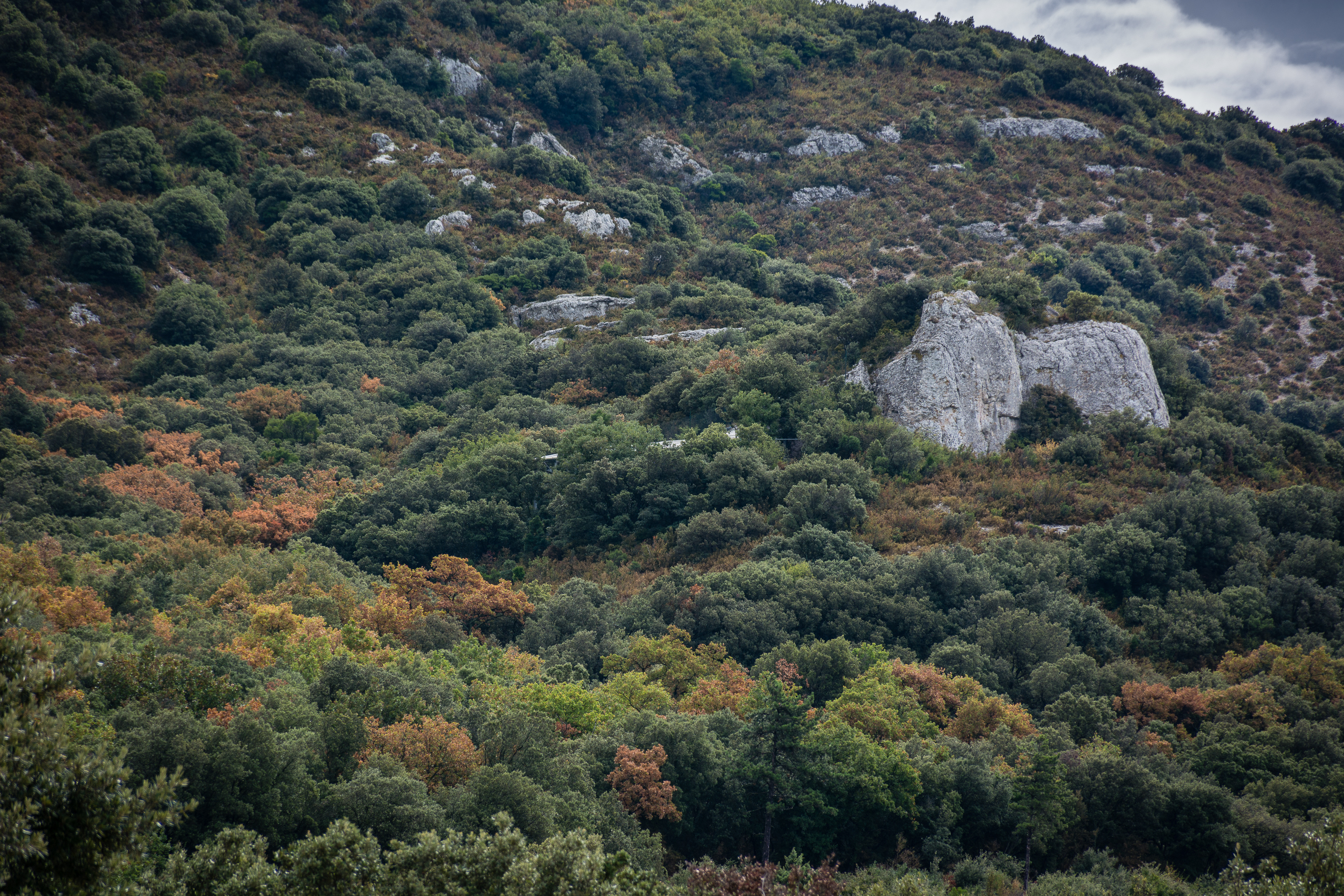
The discovery also changes how extinction is imagined. If late Neanderthals were divided into small, partly isolated communities, then vulnerability did not come only from one dramatic event. It could come from demography: low numbers, narrow marriage networks, patchy contact, and the difficulty of recovering after bad seasons or local losses. A population can be resilient in skill and knowledge while still fragile in numbers.
Grotte Mandrin matters because it sits in a region where archaeologists have also studied changing stone-tool traditions and early Homo sapiens presence. The cave does not give a simple handover scene. It gives a layered record in which different human groups used the same landscape at different times. DNA adds a second archive to that sequence, showing that cultural layers and biological lineages do not always line up neatly.
There are limits. Thorin is one individual, not a census of every Neanderthal in France. Genetic dates are estimates, and archaeological layers require careful correlation. The result does not prove why Neanderthals disappeared, nor does it turn isolation into the only cause. Its value is more precise and more humane: it lets readers see late Neanderthals as local communities with their own histories, not as a single doomed type. The hopeful part is methodological. Each carefully recovered fragment can still widen the human family tree, making an old extinction less tidy and more understandable.
A useful way to read the result is to separate ancestry from ability. Isolation does not mean that Thorin’s community was culturally simple or biologically inferior. It means that their family network, as far as the genome can show, was narrower than expected for a group living near other late Neanderthals. That distinction matters because older accounts often turned Neanderthal extinction into a ranking of intelligence. The newer evidence points instead to population structure: who met whom, how often, and whether small communities could keep enough partners, knowledge exchange and resilience across generations.