The Ancient Engineers Who Still Make Cities Better
Aqueducts, drains, streets and standard parts show that ancient city builders were not only monument makers: they solved water, waste, movement and maintenance.
Ada Brooks ·
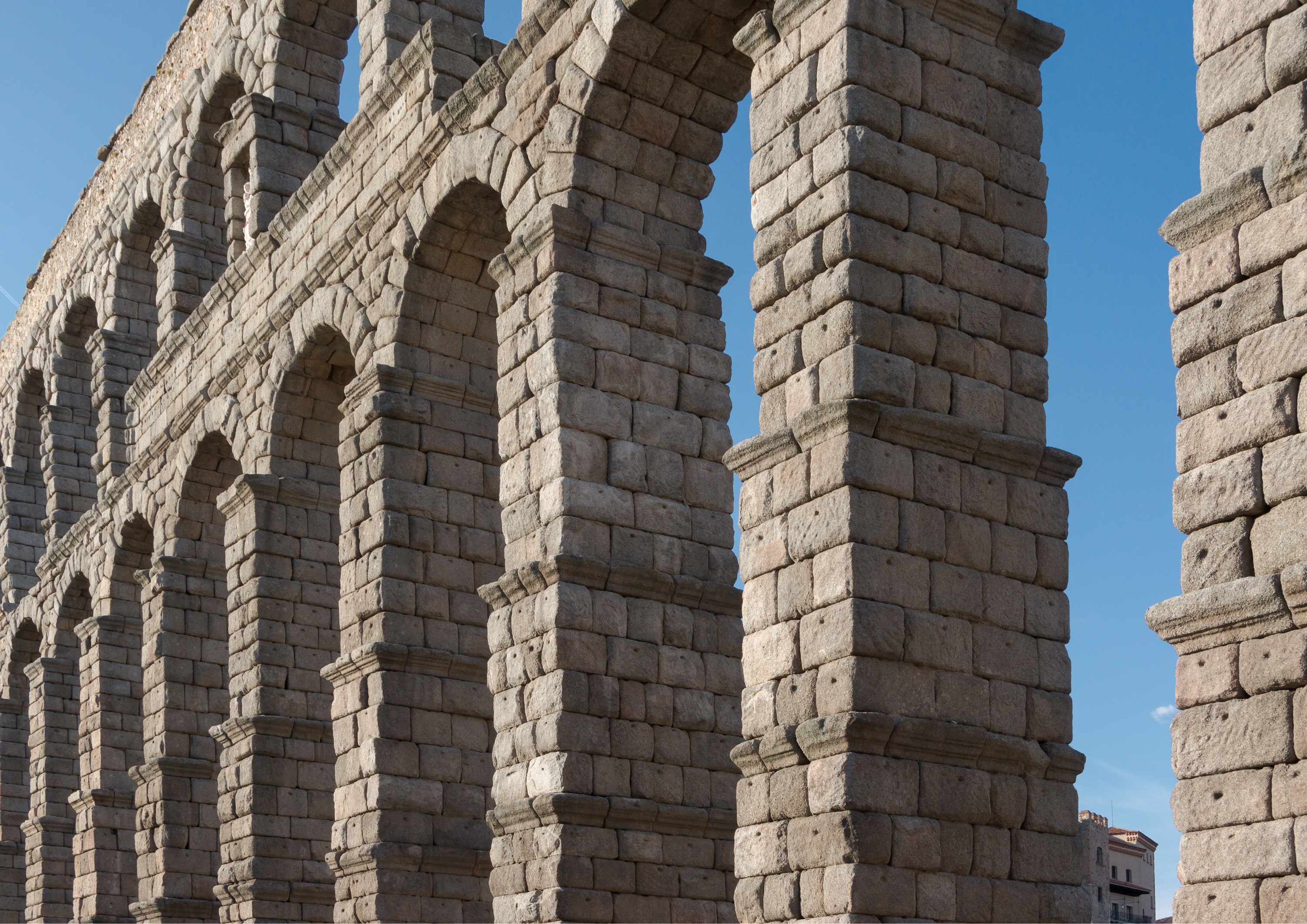
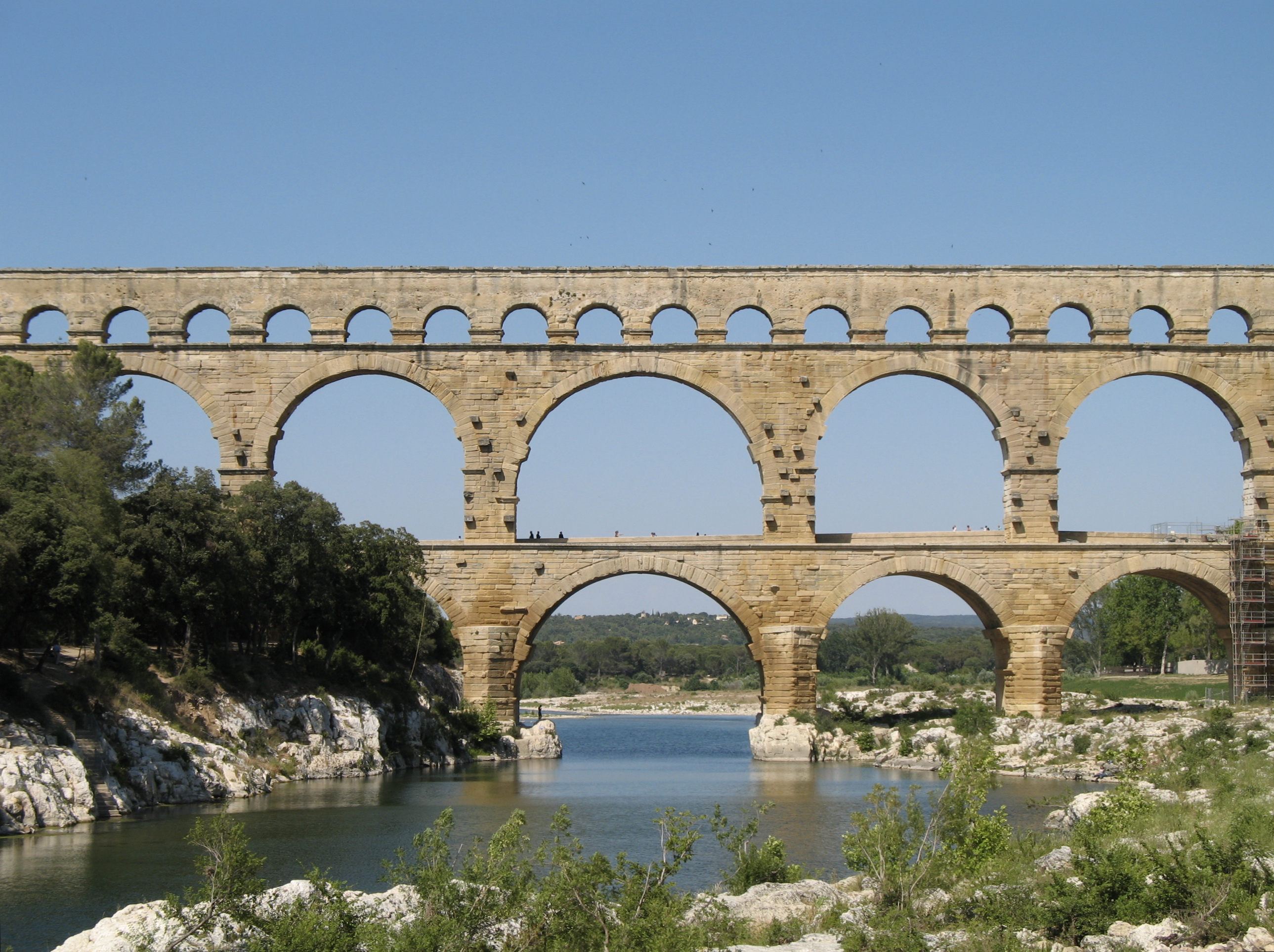
Ancient engineers still make cities better because many of their best ideas were not ornamental. They were habits of public service: move clean water by gravity, carry dirty water away, make streets legible, build with parts that can be repaired, and place durable structures where geology and daily use agree. The aqueduct of Segovia, the Pont du Gard near Nîmes and the drains of Rome survive as famous images, but their deeper value is ordinary. They show that a city is safer when invisible systems work before anyone applauds them.
Roman aqueducts are the clearest example. They did not depend on magic or pumps. Surveyors followed tiny gradients across valleys and hills, using channels, settling tanks, tunnels, arcades and maintenance shafts to keep water moving under gravity. The Pont du Gard, part of the Nîmes aqueduct system, carried water across the Gardon valley with three tiers of arches. Segovia’s aqueduct brought water from the mountains toward the city in a structure whose dry-laid granite blocks still teach precision, load and repetition. The engineering lesson is simple but demanding: small errors multiplied over kilometres become failure.
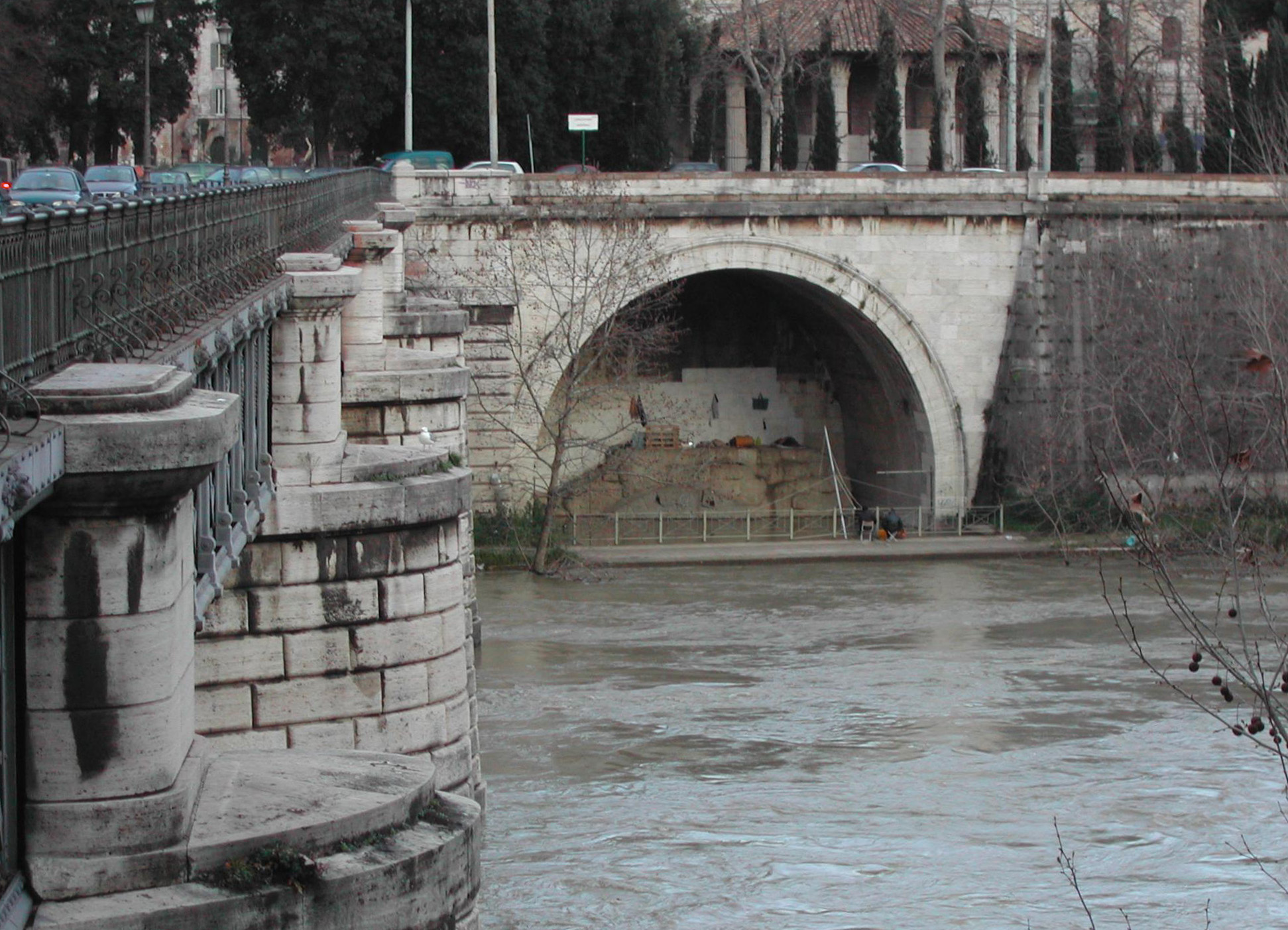
The same logic shaped waste and stormwater. Rome’s Cloaca Maxima began as a drainage work in the low ground of the Forum and later became part of the city’s sewer system. It was not a modern sanitary network, and ancient cities were often dirty, unequal and unhealthy by modern standards. Still, the principle matters. Dense settlement needs a planned route for water after use and after storms. Today’s engineers use pipes, treatment plants, rain gardens and floodable streets, but the old question remains the same: where will the water go when many people live close together?
Roads and streets added another layer. Roman roadbeds used prepared foundations, drainage, curbs and repeated construction practices so soldiers, merchants, messengers and carts could move with predictable effort. In other ancient cities, from the Indus settlements of Harappa and Mohenjo-daro to Hellenistic grids and Chinese walled capitals, street layout also organized drainage, property, markets and authority. The details varied, but the mechanism was shared: urban form is a machine for reducing friction. A straight street, a standard brick, a culvert or a measured slope saves time every day for people who may never know the designer’s name.
The limits are important. Ancient infrastructure was not democratic in the modern sense. It could be built by coerced labour, serve elite districts first, exclude outsiders and fail under drought, flood, war or poor maintenance. Lead pipes and contaminated water were real risks in some places. Admiring ancient engineering should not mean copying ancient society. The useful inheritance is more practical: public works need long horizons, skilled maintenance and designs that can be inspected.
That is why ancient engineers still belong in conversations about climate adaptation and better cities. A heat wave, cloudburst or broken main exposes whether a place has treated infrastructure as scenery or as care. The hopeful lesson is quiet. Cities improve when they invest in gradients, shade, drainage, repair access, shared standards and workers who know the system. The monuments are beautiful, but the real achievement is the civic promise behind them: life in a dense city can be made less dangerous by patient design.