Aconitine on Ming Surgical Tools Makes the History of Pain Relief More Tangible
Chemical traces on Ming-dynasty surgical tools from Jiangyin suggest aconite-derived aconitine was present, but the finding is strongest when read as evidence of risky pain-control practice, not modern anesthesia before its time.
Tomáš Hare ·
The Ming-dynasty surgical tools reported from Jiangyin in China are small objects with an unusually intimate question attached to them: how did a patient’s pain meet a doctor’s hand? Congcang Zhao of Northwest University and colleagues, writing in Antiquity, analyzed medical instruments from a Ming-period context with X-ray fluorescence and then sampled tiny surface particles for microscopy and micro-Raman spectroscopy. Two samples contained aconitine, a potent alkaloid associated with aconite plants. That does not turn the find into a simple story of modern anesthesia before its time. It makes the history of pain control more concrete.

The mechanism is residue chemistry. Metal tools can preserve microscopic particles in scratches, corrosion, seams or adhering deposits. X-ray fluorescence helps identify the elemental composition of the tools themselves. Micro-Raman spectroscopy can then read the molecular signatures of tiny samples by measuring how light scatters from them. In this case, the important point is not that a dramatic bottle of medicine survived. It is that chemical traces on working instruments may record what was applied to the tool, the wound, or the surgical setting.
Aconitine needs careful language. Aconite species have long histories in Chinese materia medica, but aconitine is also acutely toxic. Processed aconite preparations could be used medicinally in controlled traditions, while unprocessed or misused material could cause numbness, dangerous heart rhythms and death. If the detected substance was used to dull sensation, it points to practical experimentation with pain and procedure. It does not mean Ming surgeons had safe, standardized anesthesia comparable to nineteenth- and twentieth-century clinical practice.
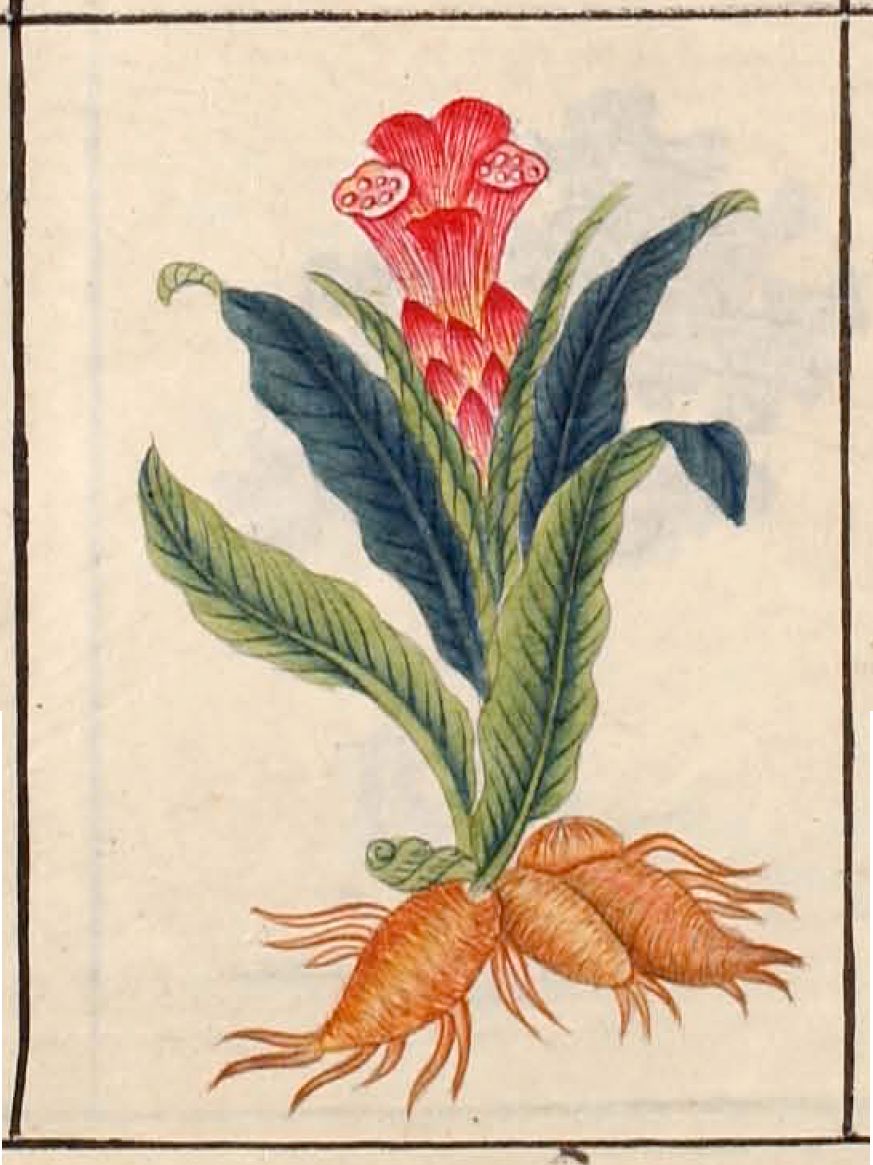
The historical context matters because Ming medicine was not a single thing. It included learned textual traditions, pharmacies, household remedies, itinerant practitioners, surgery, bone-setting, acupuncture, moxibustion and local experience. Li Shizhen’s Bencao Gangmu, completed in the late sixteenth century, shows the scale of materia medica knowledge in the same broad era, even though it is not a direct laboratory record for these tools. The tools from Jiangyin sit where material culture and medical writing can speak to each other.
The find is also a reminder that premodern surgery should not be flattened into caricature. The instruments were physical tools used in bodies, not illustrations in a medical book. Residue analysis can therefore connect the written language of drugs and preparation with the practical world of blades, probes, needles, wounds and risk. It gives historians a way to ask not only what physicians said, but what may have touched the patient.
There are limits. Residue does not automatically prove exactly how the tool was used, how often the substance was applied, what dose was present, or whether the patient experienced effective anesthesia. Contamination, later handling and burial chemistry always have to be considered, and public summaries are shorter than a full technical reading of the site. The strongest claim is therefore modest but valuable: analytical chemistry can recover traces of medical practice that written histories often miss.
That is the reader payoff. Instead of imagining premodern surgery only as brutality or only as lost wisdom, the find asks for a more exact middle ground. Ming practitioners worked with dangerous substances, bodily skill and inherited pharmacology. Modern instruments can now test those traces at a scale the original users could never see. The result is not a miracle cure from the past; it is a sharper history of care, risk and the human effort to make painful treatment bearable.