Ayurveda, part 1: an old medical tradition seen through modern safety and evidence
Ayurveda is a major South Asian medical tradition with deep history, texts and practices. Reading it responsibly today means separating cultural knowledge from clinical proof and taking contamination, interactions and clinician guidance seriously.
Felix Arden ·
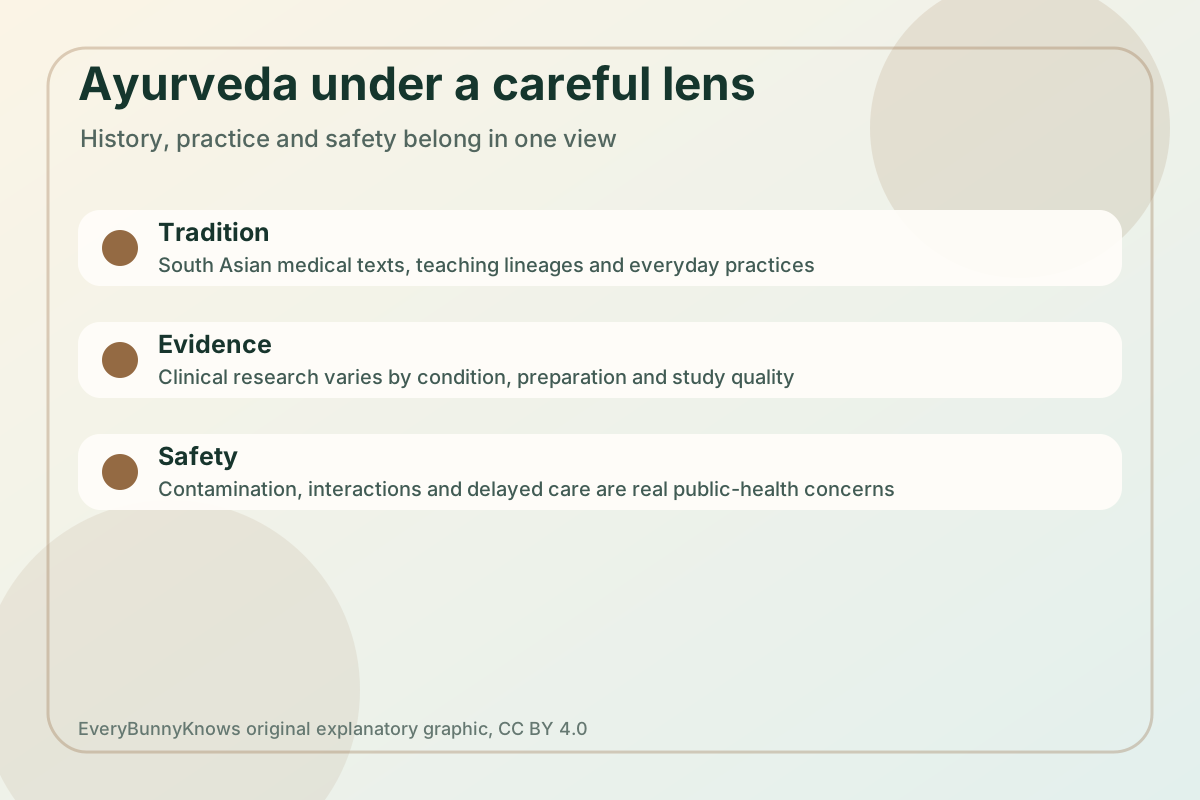
Ayurveda is not a wellness slogan invented for a shelf label. It is a long South Asian medical tradition with classical Sanskrit texts, teaching lineages, diagnostic ideas, materia medica, diet, massage, purification practices, daily routines and philosophical concepts of body and life. For many families it also carries language, memory, household care and identity. A responsible modern article should begin with that seriousness, not with caricature.
The same seriousness also requires a boundary. Historical depth is not the same as proof that a product or practice treats a disease. The World Health Organization recognises traditional medicine as an important part of health systems for many communities, while also calling for quality, safety, appropriate regulation and evidence. U.S. National Center for Complementary and Integrative Health summaries make the practical point clearly: evidence for Ayurvedic approaches varies, and some preparations have raised safety concerns.
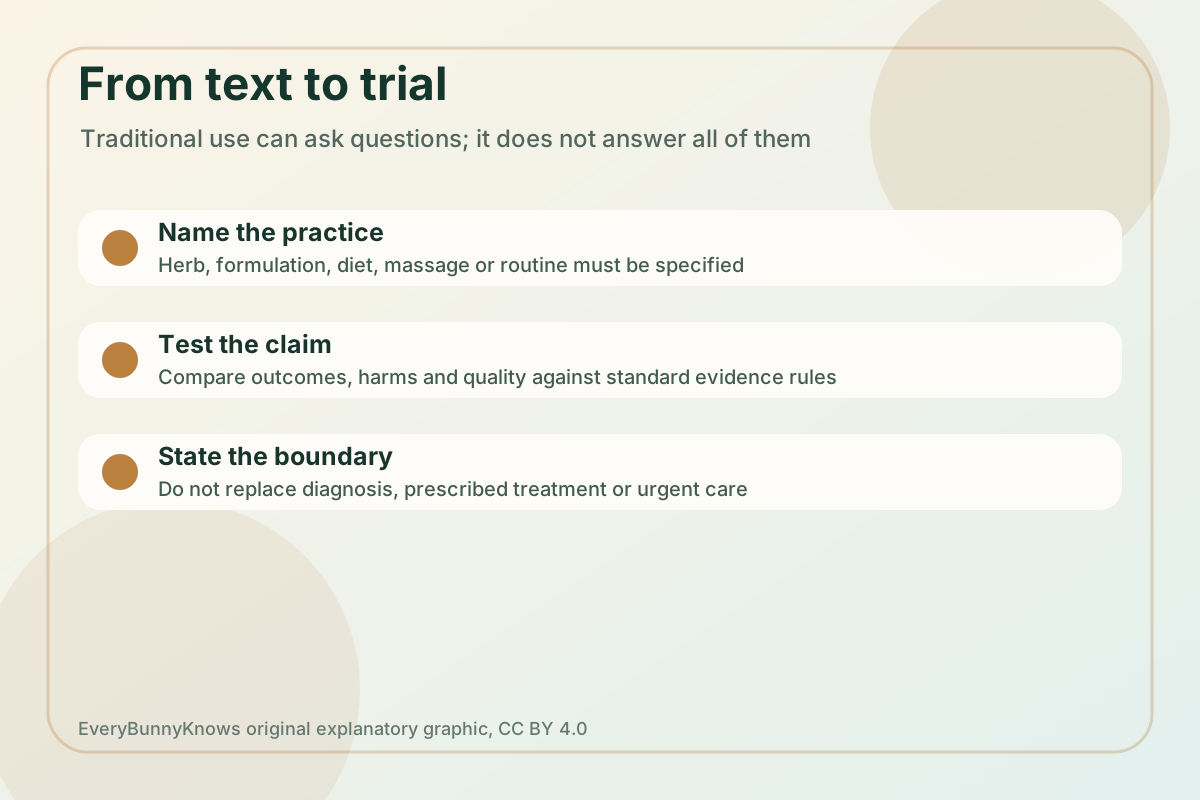
The mechanism of confusion is easy to see. Ayurveda is a broad system, but public discussion often compresses it into “an herb,” “detox,” or a promise of balance. That flattening hides the details that matter for evidence: the exact plant species, formulation, dose, processing method, person studied, comparison group, outcome and adverse effects. A small trial of one preparation for one symptom cannot prove that the entire tradition works for every condition. A centuries-old text can preserve important cultural knowledge without answering a modern clinical question by itself.
Safety is not a minor footnote. Peer-reviewed studies and public-health agencies have reported heavy metals such as lead, mercury or arsenic in some Ayurvedic products, especially when manufacturing, sourcing or testing are poor. Other risks include adulteration with undeclared pharmaceuticals, microbial contamination, liver injury reports, interactions with prescription medicines and the danger of delaying effective care for cancer, infection, pregnancy complications, diabetes, heart disease or mental-health crises. Natural origin does not make a substance automatically safe.
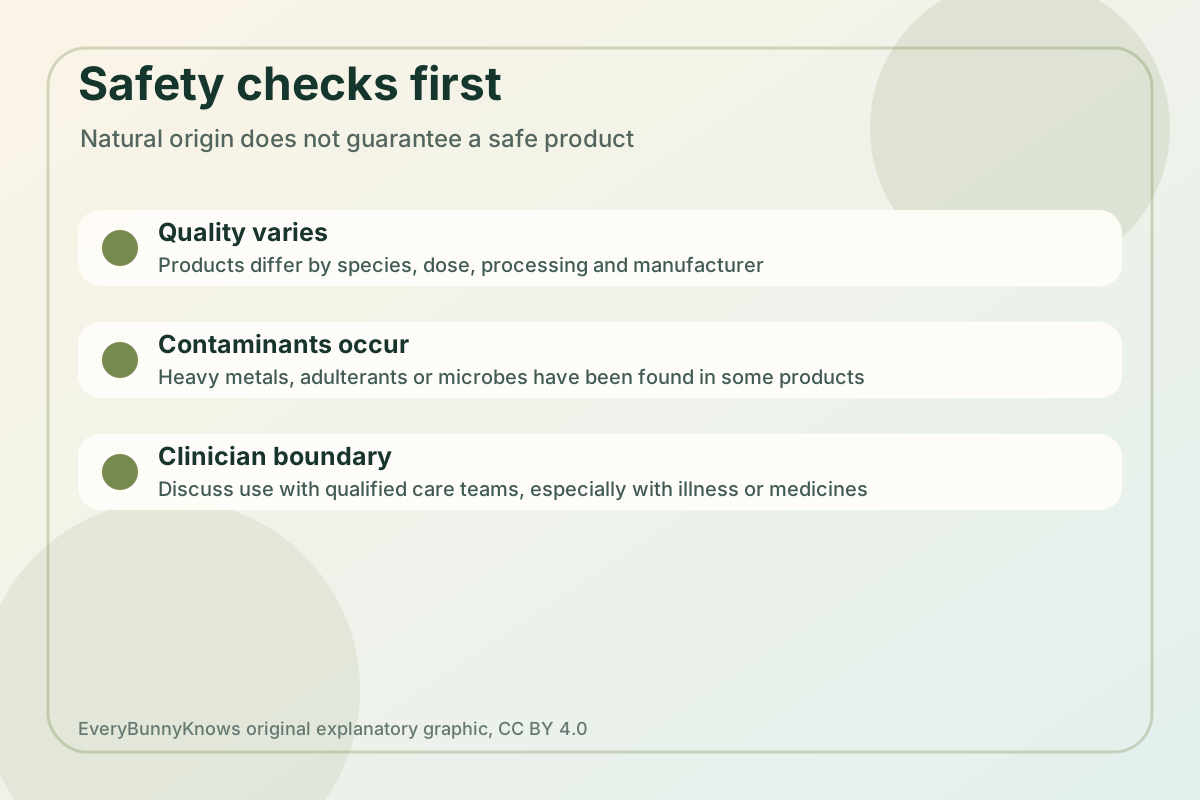
This article does not advise readers to start, stop or substitute any treatment. Anyone considering an Ayurvedic product or practitioner should treat it as a health decision to discuss with a qualified clinician, especially during pregnancy, childhood, chronic illness, surgery planning, liver or kidney disease, or while taking medicines. A reputable practitioner should welcome questions about ingredients, testing, training, regulation, expected benefits, known harms and when conventional care is needed.
The fairest reading of Ayurveda is neither dismissal nor romantic certainty. It is a careful conversation between history, culture, pharmacology, clinical research and patient safety. Some ideas may remain meaningful as heritage, some may inspire research, some may prove useful in defined circumstances, and some claims may fail or carry unacceptable risk. Respect grows when those categories are not blurred. The hopeful future is one in which traditional knowledge is studied without exploitation, products are tested honestly, and patients are protected from both contempt and exaggerated promises.