Ayurveda, part 3: texts, trade and the long history of Indian medical knowledge
Ayurveda’s historical importance lies in texts, teachers, materia medica, trade and institutions — and in the modern need to separate cultural history from clinical proof.
Marco Linden ·
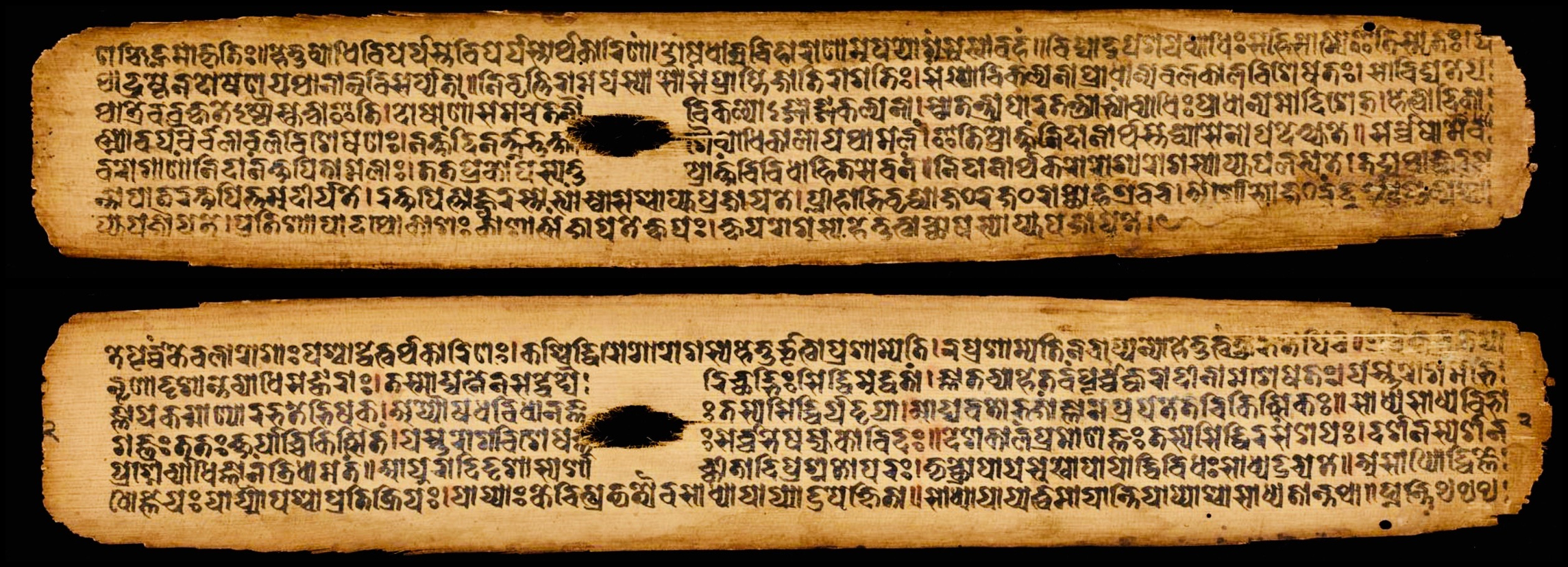
Ayurveda’s long history is easiest to misunderstand when it is treated as either timeless wisdom or as a single modern wellness brand. Historically, it is neither. Ayurveda is a layered medical tradition shaped by Sanskrit texts, teachers, regional practice, materia medica, trade, debate, colonial institutions and contemporary regulation. Its name is often translated as knowledge of life, but the useful historical question is more concrete: how did ideas about bodies, diet, drugs, surgery, ethics and daily regimen travel across centuries and remain recognisable while changing?
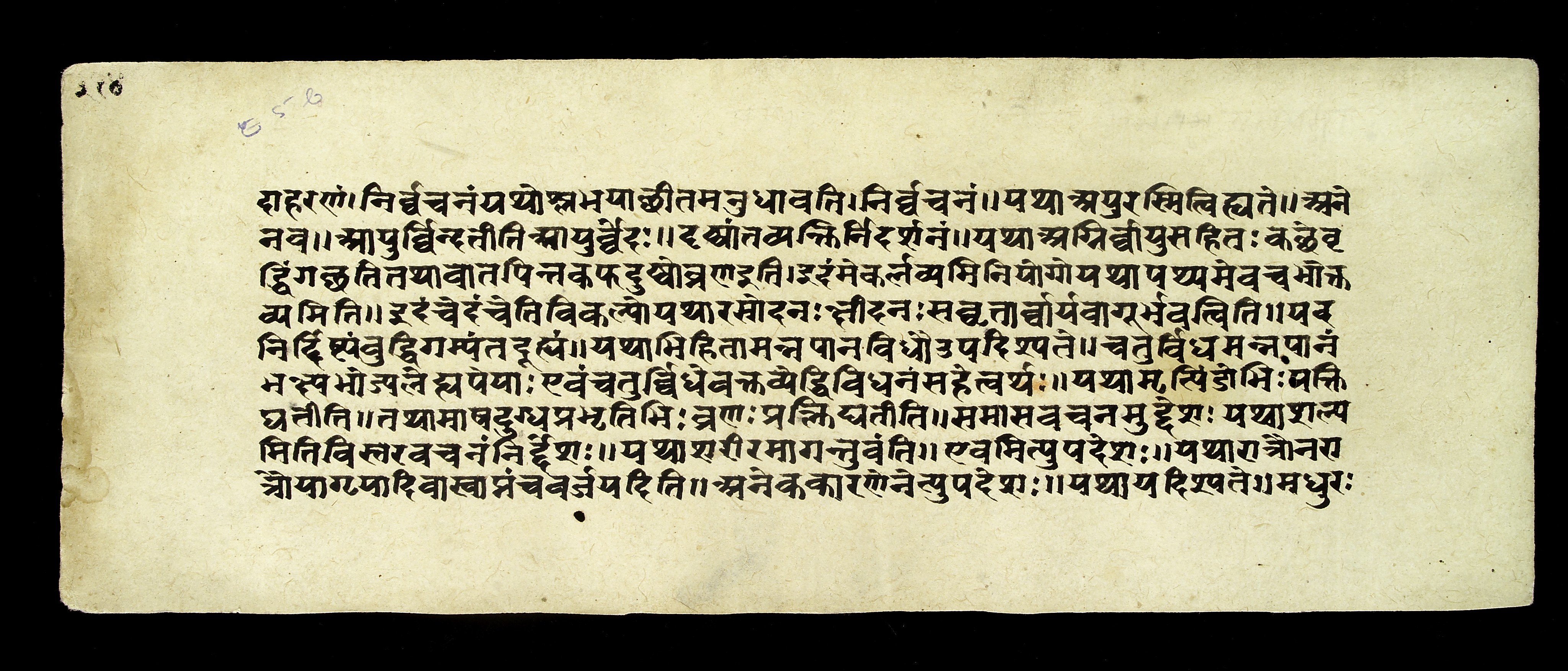
Classical works such as the Charaka Samhita and Sushruta Samhita are central because they organised knowledge into teachable forms. They discuss diagnosis, causes of illness, diet, compound preparations, medical ethics and the training of practitioners. The texts did not freeze practice. Like other learned medical traditions, Ayurveda lived through commentary, copying, local experience and argument. Manuscripts moved between teachers and students; ingredients moved through markets; concepts met Persian, Arabic, Tibetan, European and regional Indian medical worlds. Trade mattered because medicine depends on materials as well as ideas: plants, minerals, oils, spices and prepared substances all required routes, trust and classification.
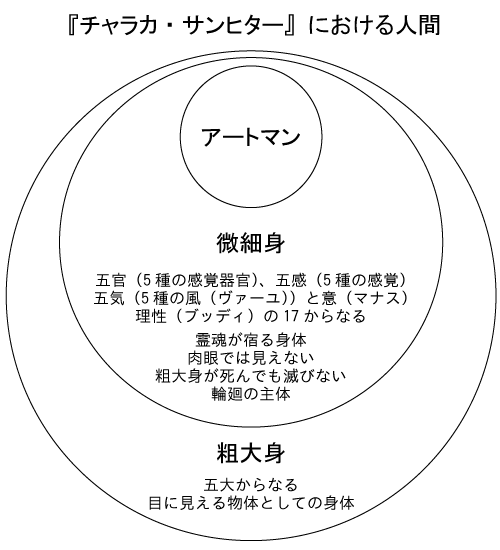
Colonial rule changed Ayurveda’s authority without erasing it. British medical institutions privileged biomedicine, hospitals, laboratories and licensing systems, while Indian scholars and practitioners responded by printing texts, founding colleges, standardising curricula and arguing for Ayurveda as both classical inheritance and living practice. In independent India, state institutions, universities and the Ministry of AYUSH gave Ayurveda formal places in education and public life. At the same time, the global wellness market simplified many ideas into teas, oils, retreats and branded supplements. That expansion has made Ayurveda more visible, but visibility is not the same as historical accuracy or clinical proof.
The safety boundary is essential. A tradition can be historically important without every treatment being proven effective. The U.S. National Center for Complementary and Integrative Health notes that some Ayurvedic products have been found to contain unsafe levels of lead, mercury or arsenic, and that evidence for many uses remains limited. That does not make the history disposable; it makes careful distinction necessary. We can study Ayurveda as intellectual history, social history and medical heritage while asking modern clinical questions with modern methods. The hopeful lesson is modest and strong: knowledge survives when communities preserve texts, test practices, translate across cultures and are willing to separate respect from uncritical belief.
The textual record is also a reminder that medical knowledge is never only a list of remedies. It includes ways of deciding who may teach, which substances count as trustworthy, how observations are explained and how failure is interpreted. In Ayurveda, categories such as doṣa, balance, digestion and regimen formed a language for linking daily life with illness and recovery. Historians can examine that language without accepting every claim as modern evidence. They can ask how manuscripts were copied, why some recipes spread, how practitioners negotiated status and how patients chose among competing forms of care. That approach makes the past more precise, not less respectful, because it treats Ayurveda as a changing human tradition rather than a slogan.