Ayurveda, part 4: daily routines, food and sleep without turning tradition into medical advice
Ayurveda’s everyday themes—routine, meals, rest, movement and attention—can be read as health-literacy prompts, not prescriptions. The useful boundary is to compare them with modern evidence and avoid personalised medical advice.
Elena Moss ·
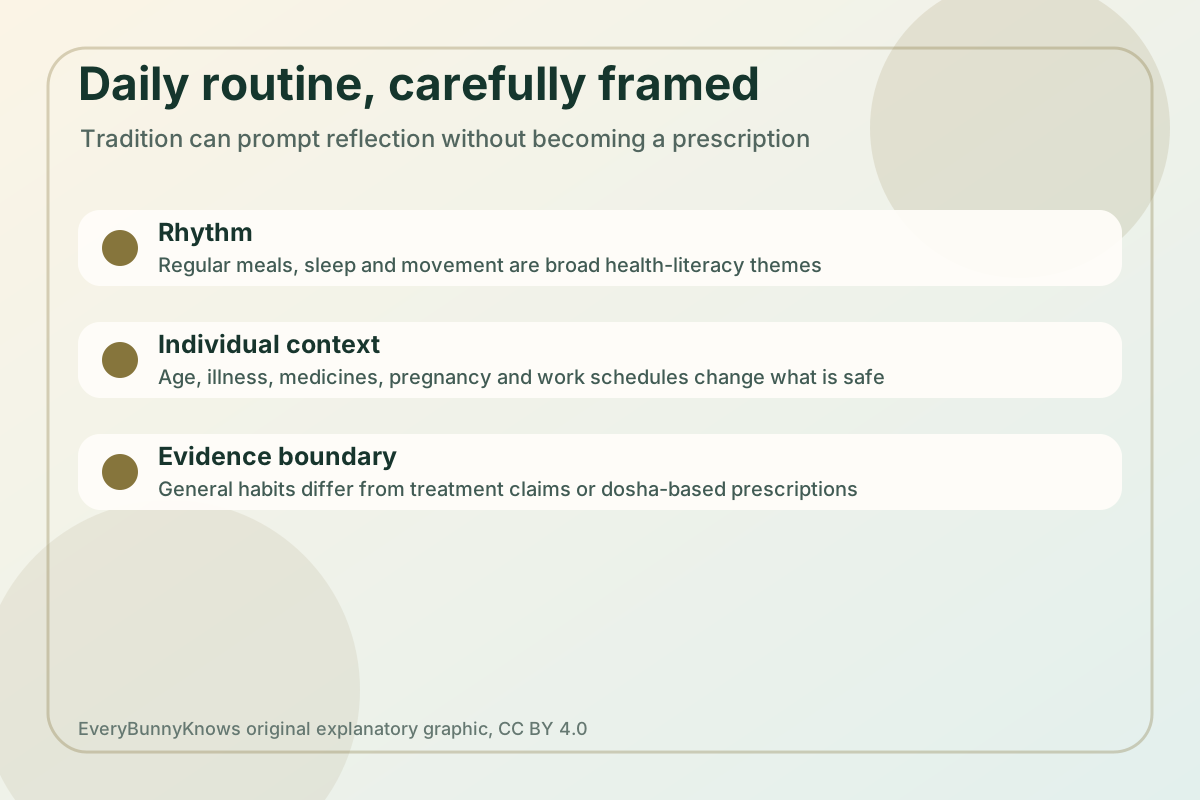
Ayurveda has an everyday side that is quieter than product claims. Classical and household traditions often speak about daily rhythm, meals, sleep, cleansing, movement, attention and the relationship between the body and the seasons. These themes can be interesting for modern readers because they overlap with ordinary questions: How regular is my sleep? Do meals fit my work and family life? Do I move, rest and notice stress before it becomes overwhelming?
The safe framing is health literacy, not medical instruction. A traditional routine is not automatically a treatment plan, and a magazine article should not assign readers a constitution, prescribe foods, recommend fasting, suggest herbs, or tell someone to change medication. Modern public-health guidance is more modest and more testable. Sleep research supports adequate duration, consistent timing, light during the day and reduced disruption at night. Nutrition guidance looks at overall dietary quality, food security, cultural preference and medical needs. Physical-activity guidance values movement while adapting to disability, pain, pregnancy, age and illness.
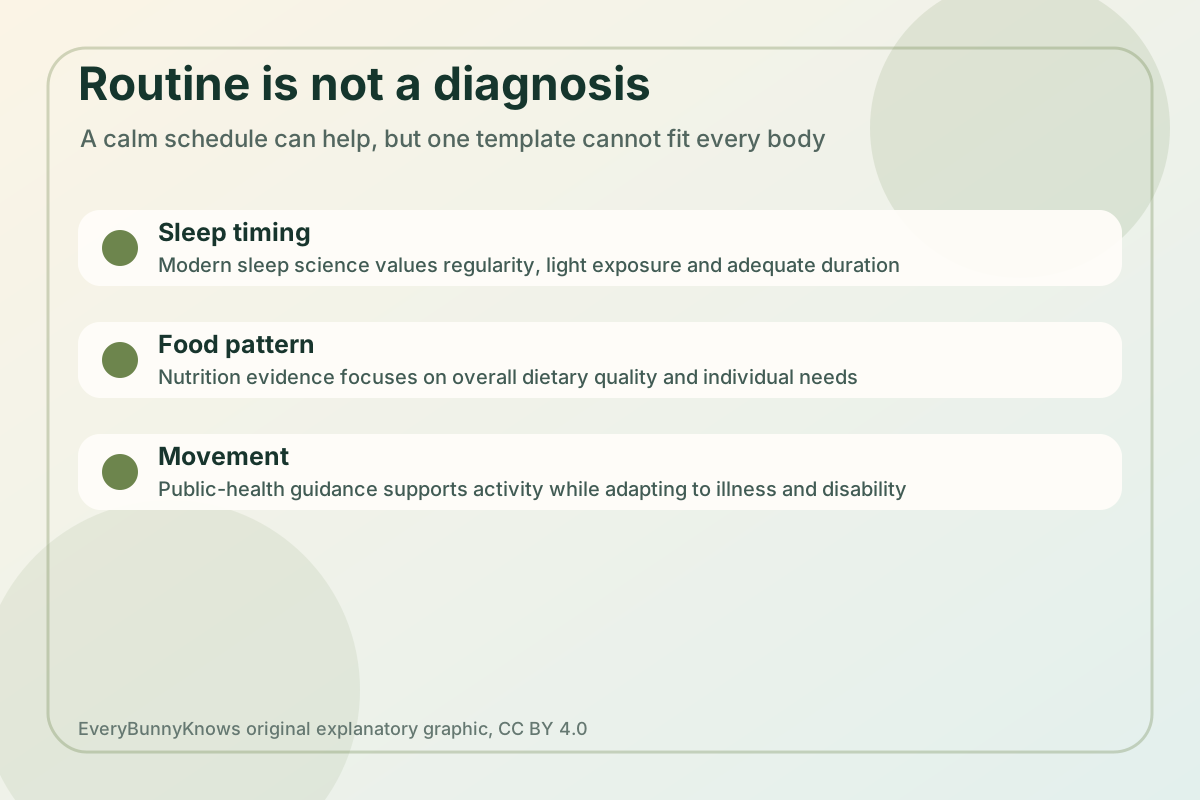
The mechanism behind the overlap is routine. Human bodies use circadian signals, meal timing, activity, social cues and sleep pressure to organise energy, hormones, attention and recovery. A person who eats unpredictably, sleeps at shifting hours and never has quiet time may feel the strain. But the mechanism is general; it does not prove that one Ayurvedic timetable, food category or dosha label is right for every person. Shift workers, parents of infants, people with diabetes, eating disorders, gastrointestinal disease, chronic pain or mental-health conditions may need very different support.
Food is where respectful language is especially important. Ayurveda has rich culinary and seasonal ideas, but modern evidence does not support turning broad traditional categories into universal medical advice. A safer article can invite curiosity about regular meals, enough protein and fibre, hydration, shared eating, cultural foods and how appetite changes with stress or illness. It should not tell readers to avoid whole food groups, detox, cleanse, purge, or treat disease through diet without professional care.
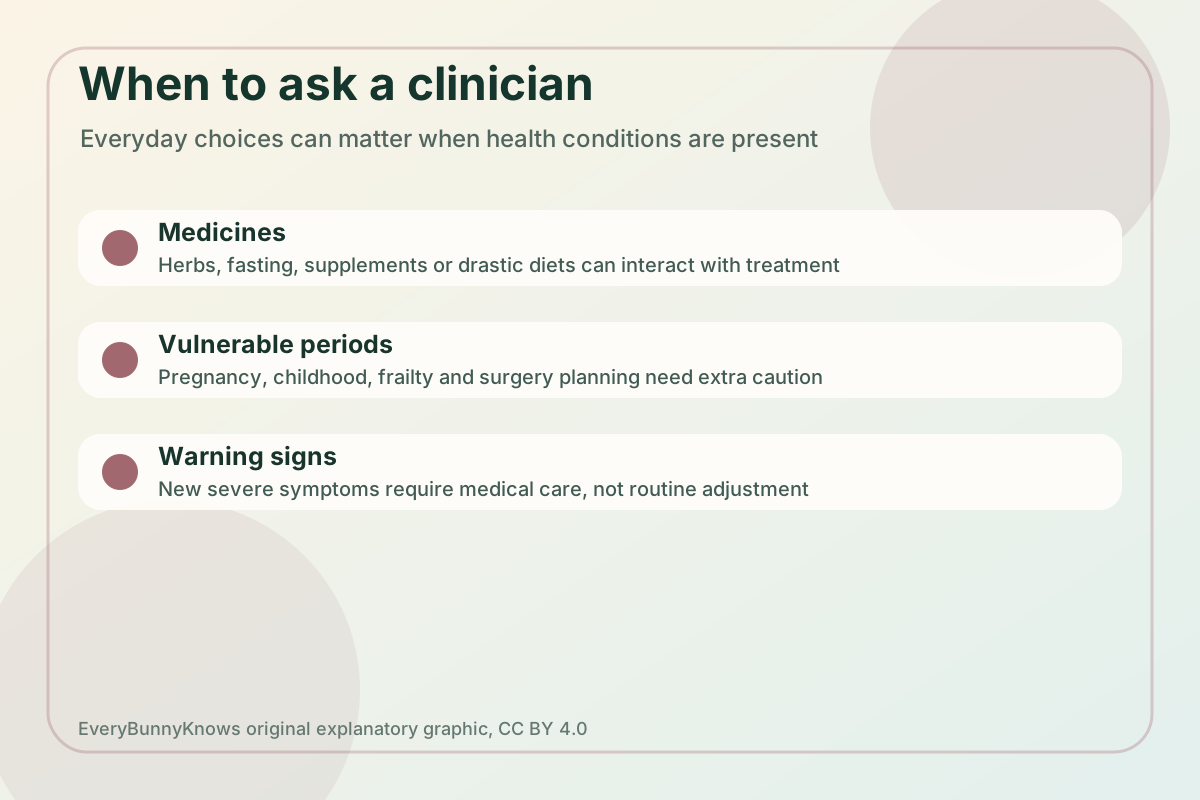
Sleep and attention need the same boundary. Wind-down rituals, dimmer evenings and predictable wake times may fit with mainstream sleep hygiene for some people. They are not cures for insomnia, sleep apnea, depression, severe anxiety or neurological symptoms. If poor sleep is persistent, dangerous, sudden or linked with breathing pauses, chest pain, suicidal thoughts, confusion or major daytime impairment, the right step is qualified clinical help, not a stronger routine borrowed from an article.
The useful optimism is that traditions can widen the questions we ask without replacing evidence. Ayurveda’s daily-life language can remind readers that health is lived in calendars, kitchens, bedrooms and relationships, not only in clinics. Modern safety asks us to keep that insight humble: routines should be flexible, culturally respectful, affordable and compatible with medical care. When tradition becomes a prompt for observation rather than a prescription, it can support a calmer conversation about ordinary habits while leaving diagnosis and treatment where they belong—with qualified clinicians.