Ayutthaya: ruins, river history and night-market life north of Bangkok
Ayutthaya’s brick towers and Buddha images make sense when read with the Chao Phraya river system, the former Siamese capital, UNESCO protection and today’s market life.
Mira Vale ·
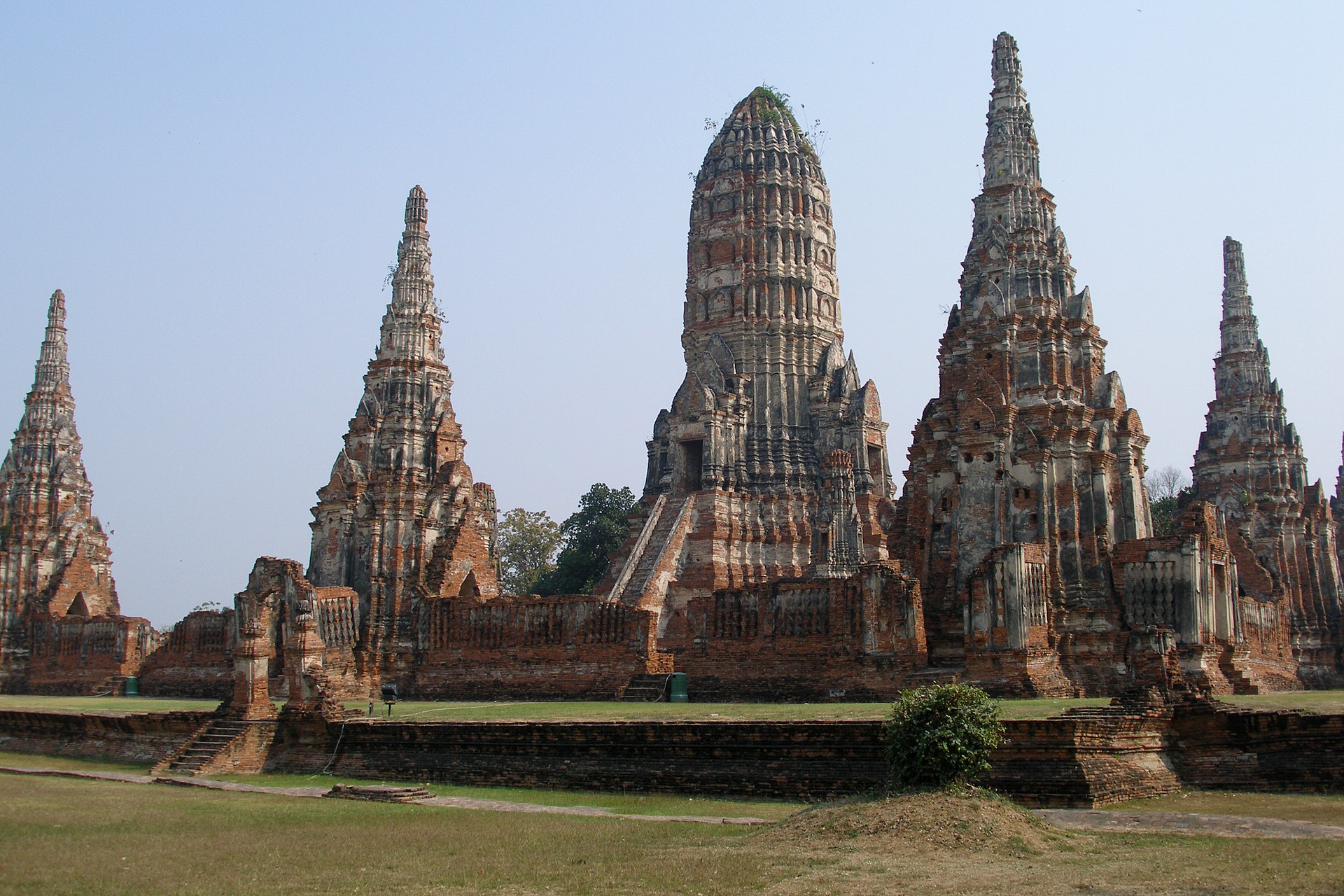
Ayutthaya is close enough to Bangkok for a day trip, but it deserves to be read as a river capital rather than as a quick ruin stop. Founded in 1350, the city became a major Siamese capital before its destruction in 1767. UNESCO lists the historic city because the remaining monasteries, prang towers, Buddha images and urban traces preserve the scale of a political and trading centre shaped by water. The Chao Phraya, Lopburi and Pa Sak rivers did not merely surround the city; they helped defend it, feed it and connect it to regional trade.
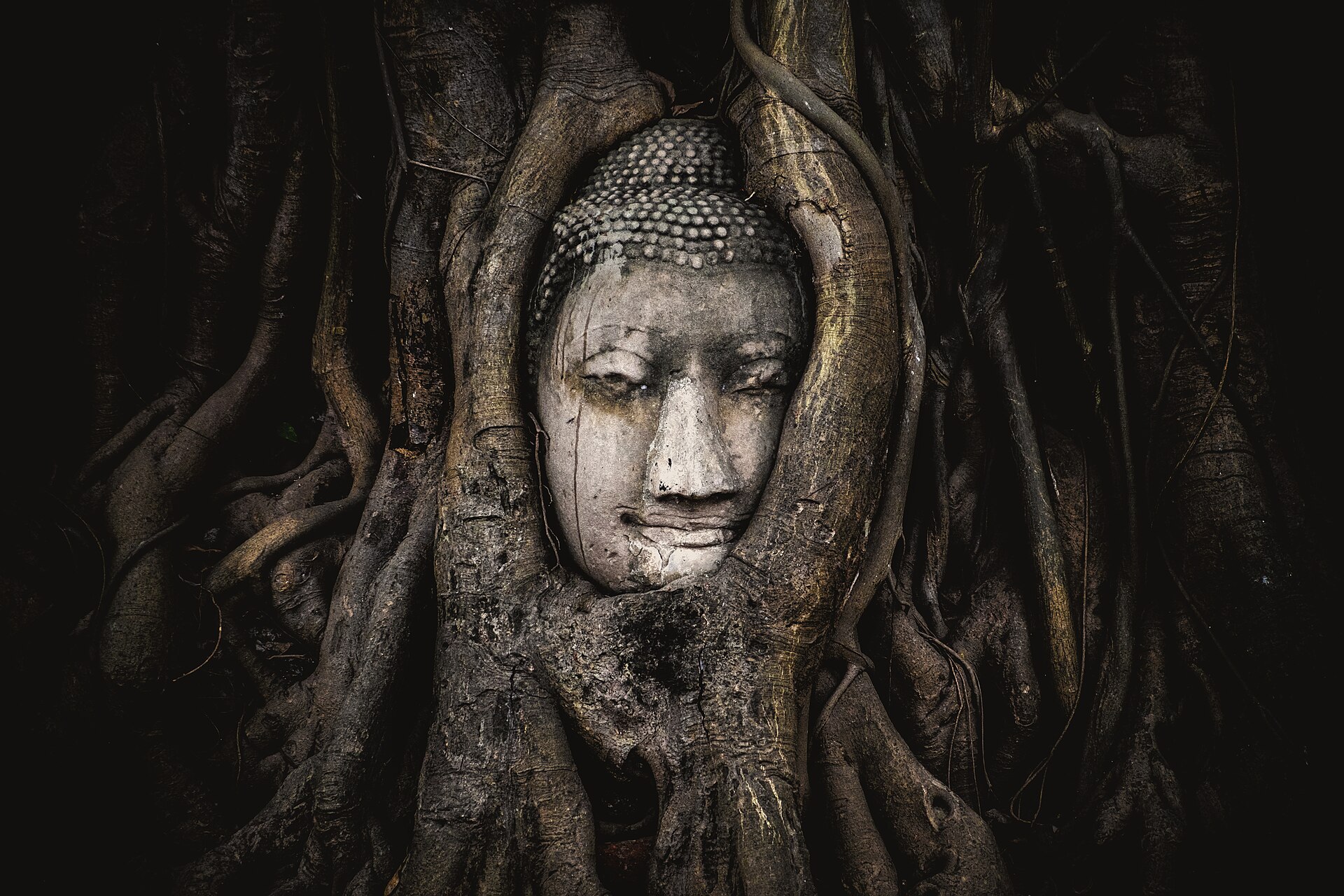
Wat Mahathat and Wat Chaiwatthanaram show two sides of that history. At Wat Mahathat, brick remains and the famous Buddha head held by tree roots make time visible in a concentrated form, though the image should be treated as a sacred object rather than a prop. Wat Chaiwatthanaram, set near the river, gives a broader sense of ceremonial architecture and royal memory. Moving between sites by bicycle, tuk-tuk or boat helps visitors understand distance and orientation better than a single photograph can.
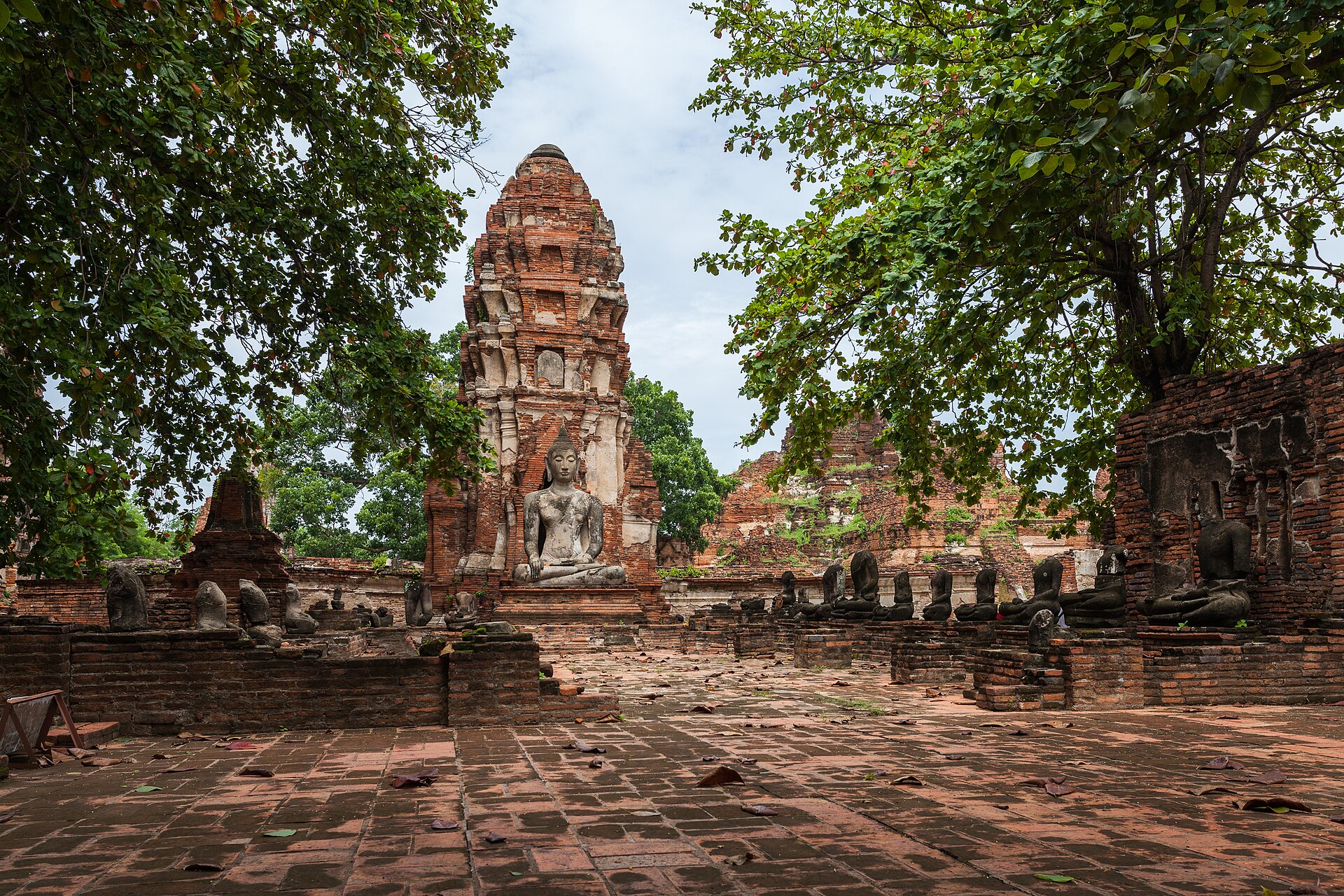
The mechanism is urban as much as spiritual. Ayutthaya’s monuments were part of a capital with canals, foreign trading communities, palaces, monasteries and markets. Brick and stucco survive unevenly because war, weather, restoration and reuse have all acted on the city. Ruins are not simply broken buildings; they are evidence of construction, collapse, repair and memory. That is why the historical park is most rewarding when paired with a museum stop or a guide who can explain what each monastery did within the capital.
The river setting also explains why Ayutthaya was cosmopolitan. Foreign trading communities, including Portuguese, Dutch, Japanese and other merchants, settled around the capital because boats could move people and goods between inland rice plains and maritime routes. That history is easy to miss if the visit stays only inside the most photogenic temple compounds. A museum stop or a loop near the river helps turn isolated ruins back into a map of diplomacy, taxation, craft, food supply and exchange. The night market belongs to that same practical city, where eating and movement continue after the monuments close.
There are limits. Heat is serious, sacred sites need respectful clothing, and popular images can draw crowds into careless behaviour. Night markets add life after the ruins, but they should not be treated as proof that the old capital is only a tourist zone; modern Ayutthaya is also a working provincial city with residents, schools, traffic and flood risk. A good visit starts early, rests at midday and returns to the river or market in the evening. The hopeful part is concrete: the city still teaches how power, water and devotion shaped central Thailand, if visitors give it enough time.