Barcelona, part 5: markets, cafés and the food memory of a port city
Barcelona’s markets are more than photogenic stalls: they record port trade, neighbourhood routines, tourism pressure and the logistics behind Catalan food memory.
Tereza Field ·
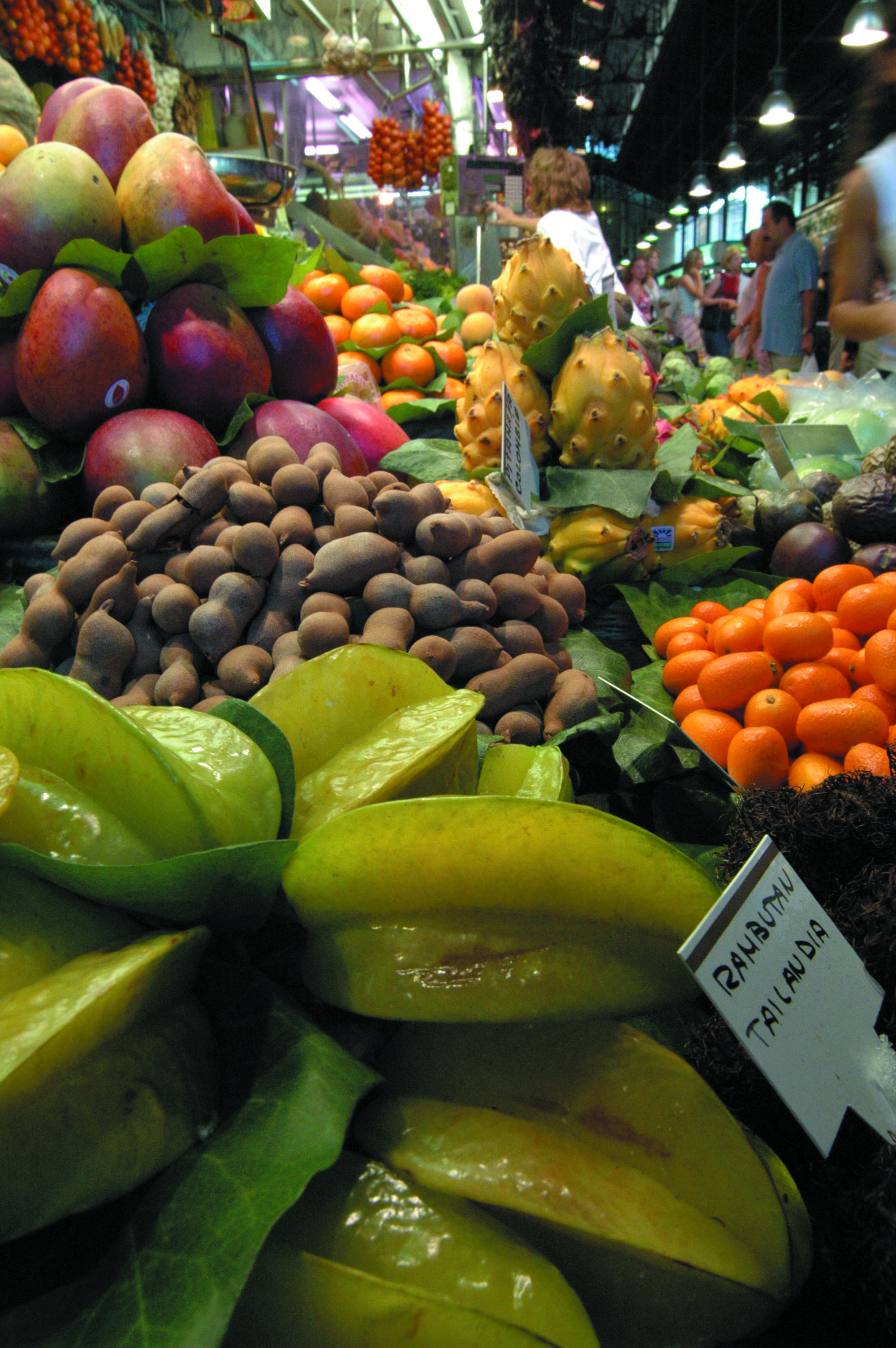
Barcelona’s food memory is easiest to misunderstand at La Boqueria. The colours are bright, the fruit cups are ready for cameras and La Rambla brings a river of visitors past the doors. Yet the market is not only a stage set for tourism. Its long story connects medieval trading spaces, the city’s port, Catalan farming, fish from the Mediterranean and the daily habit of shopping close to home. To read it well, the visitor has to look past the display and ask how food reaches the stall.
La Boqueria’s roots are usually traced to open-air trading near the old city walls before the modern covered market took shape in the nineteenth century. That timing matters. Barcelona was expanding, demolishing walls, building new streets and turning market halls into tools of urban order. A market roof did not merely protect tomatoes from rain. It organized hygiene, taxation, inspection, movement and trust between sellers and neighbours. Food became part of municipal infrastructure.
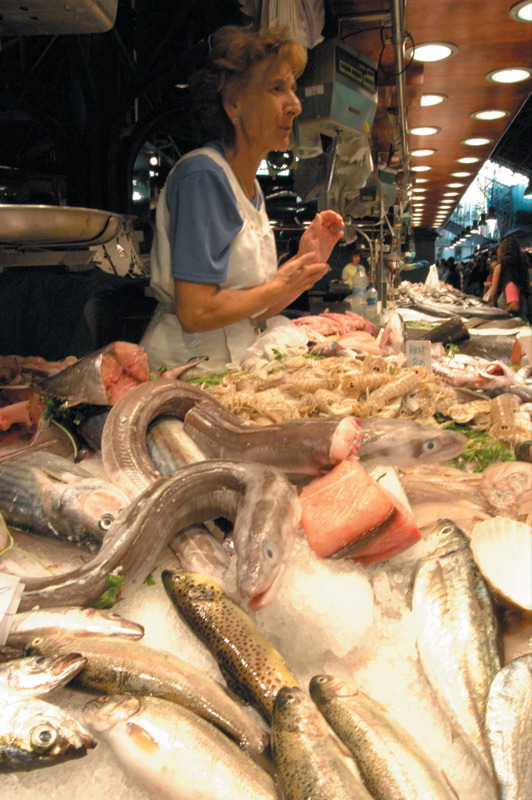
The port gave the system a wider memory. Salt cod, spices, coffee, cacao, rice and preserved goods entered Catalan kitchens through maritime routes and colonial trade as well as local exchange. Nearby cafés and granjas turned other histories into daily rituals: a morning coffee, xocolata desfeta, a sandwich before work, a vermouth with olives and anchovies. None of these habits belongs to a single pure origin. Barcelona’s table has always been a meeting point between countryside, sea, migration and commerce.
That is why neighbourhood markets matter as much as the famous one. Sant Antoni, Santa Caterina and smaller district markets show the city as a network rather than a postcard. A resident buying fish, legumes, fruit or cured meat participates in a practical geography: suppliers before dawn, municipal rules, refrigerated transport, stall rents, family businesses and changing diets. The beauty of a market hall is real, but its deeper value lies in making supply visible.
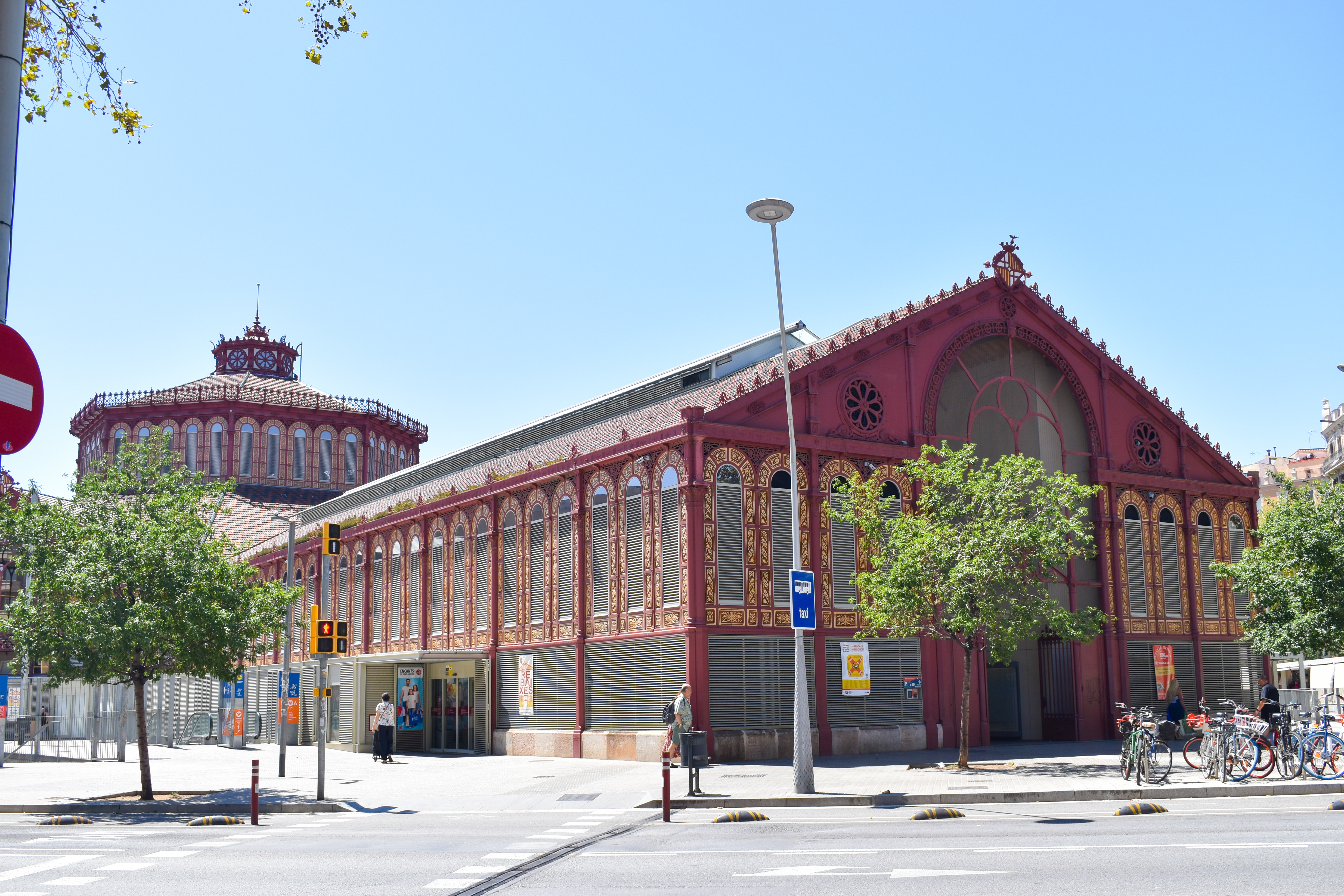
Tourism is the unavoidable limit. La Boqueria has had to balance visitors who bring money with neighbours who need ordinary shopping. When stalls shift toward snacks, souvenirs and quick photographs, the market risks becoming an image of food rather than a food system. The same pressure affects cafés when historic interiors or famous names become more valuable than everyday use. Preservation, in this case, is not only about tiles and ironwork; it is about keeping enough ordinary transactions alive.
The hopeful part is that Barcelona still has tools for memory. Municipal markets can be renovated without erasing their function, and many vendors still translate seasons into advice: which fish is best today, which tomato suits pa amb tomàquet, which beans need soaking, which cheese will travel. A port city remembers through recipes, but also through deliveries, prices and repeated greetings. If the visitor slows down, a market stop becomes a lesson in how urban history is eaten, not just photographed.