Baťa’s motto: why “Our customer, our master” became more than a slogan
Baťa's famous motto became memorable because it was backed by a system: clear prices, repairable goods, disciplined shop service, trained employees, and a Zlín business culture built around trust in ordinary customers.
Jonah Reed ·
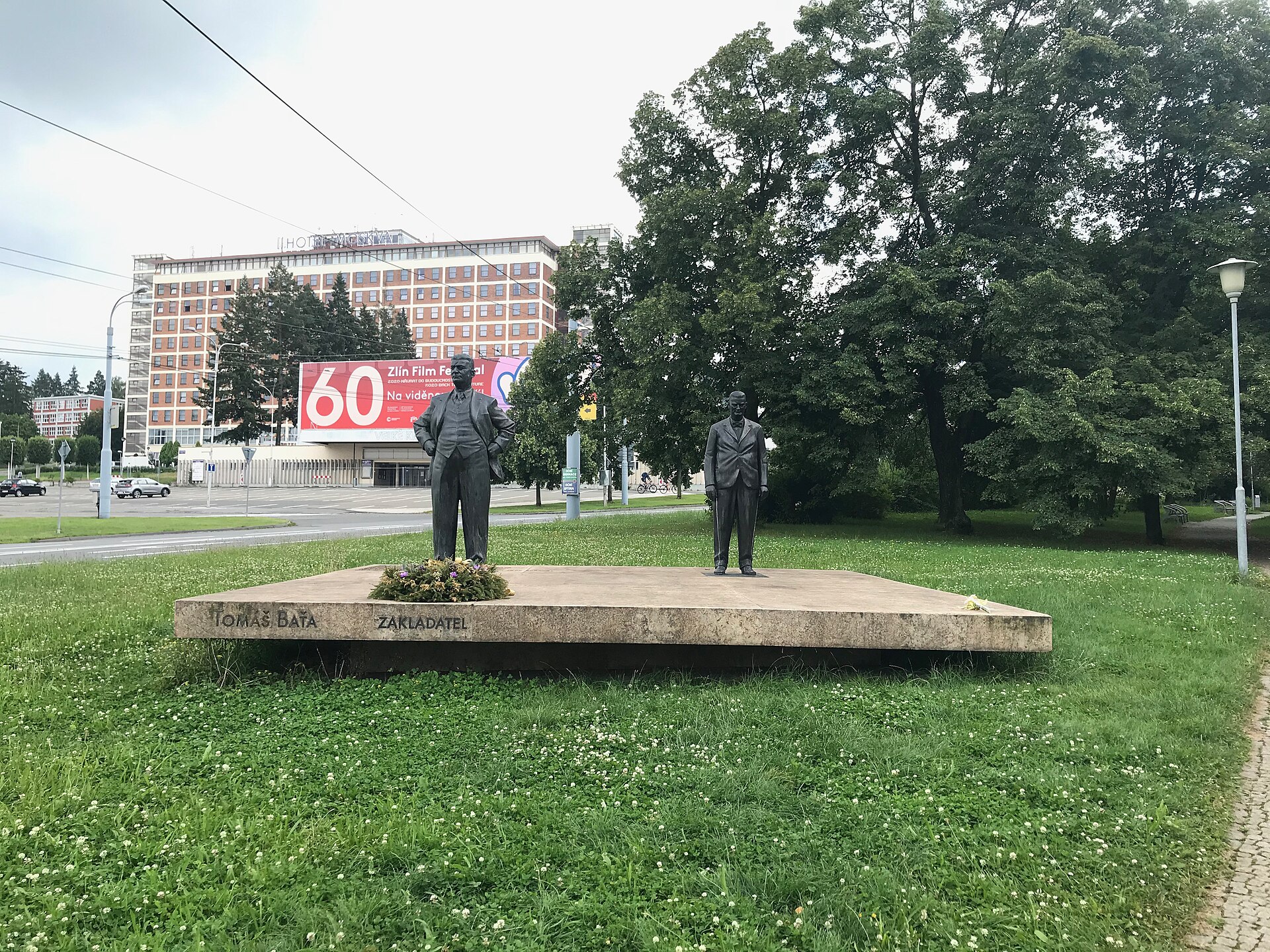
"Our customer, our master" sounds simple enough to fit above a shop counter. In the Baťa story, it became larger than a slogan because it described a whole way of organizing work: prices people could understand, repairs that kept shoes useful, shops arranged around the buyer, and employees trained to see service as part of production rather than decoration.
The motto is remembered because Tomáš Baťa did not build only a shoe brand. Born in Zlín in 1876, he founded a shoemaking company there in 1894 with his brother Antonín and sister Anna. Over the following decades the business grew into a system of factories, stores, logistics, employee education, housing, and civic life. That matters: a customer promise is easy to print, but difficult to keep when a company expands beyond one workshop.
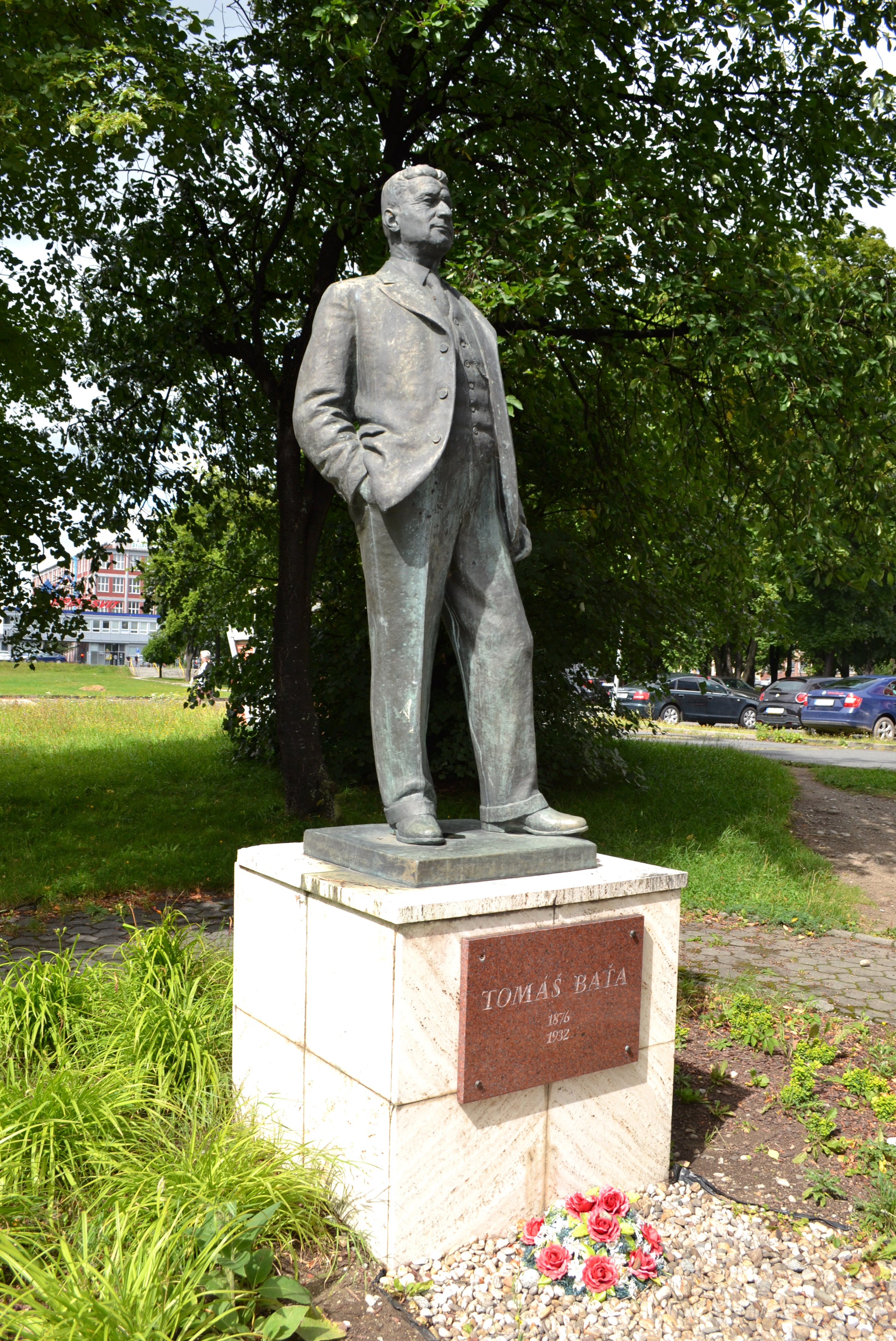
Baťa's practical genius was to connect moral language with operating detail. If the customer was "master," the shop could not treat the sale as the end of the relationship. Shoes had to be priced clearly, stocked reliably, repaired when possible, and sold by people who understood that trust was an asset. The phrase worked because it turned an abstract virtue — respect — into daily habits.
The best-known example of that attitude came during the hard economic conditions after the First World War. Baťa cut prices sharply, accepted smaller margins, and used the shock of lower prices to keep production moving and customers buying. The point was not charity alone. It was a belief that a company survives by solving the buyer's problem first, then building its own growth around that trust.
Zlín made the idea visible. The city's brick factory buildings, standardized homes, schools, cinema, hospital, and transport links showed how closely Baťa joined business with everyday life. Workers were not just hands at machines; they were also future shop managers, technicians, bookkeepers, and citizens of a planned industrial town. This model had limits and critics, but it made service culture tangible. A pair of shoes carried the weight of training, accounting, design, repair, and distribution.

That is why the motto survived in Czech and Slovak memory. It expressed a commercial ethic that ordinary people could test immediately: Did the shop listen? Was the price fair? Could the product be fixed? Did the company stand behind what it sold? Those questions still feel modern because many businesses talk about "customer focus" while hiding complexity behind interfaces and policies.
There is also a useful caution in the phrase. The customer is not master in the sense that every demand is wise or every complaint is right. Baťa's stronger lesson is that a company earns authority only when it respects the person who pays for the work. Good service is not flattery. It is discipline: design the system so the buyer is not forced to carry the company's confusion.
Seen that way, "Our customer, our master" is less a nostalgic shop sign than a compact management philosophy. It asks whether growth has made a business more attentive or merely larger. Baťa's achievement was to show that scale and human attention do not have to be enemies — but only if the promise to the customer is built into prices, people, places, and repairable things.