How Beaver Ponds Bring Water Back to Tired Valleys
Beavers slow streams with dams of wood and mud, lifting water tables, cooling channels and creating wetland habitat. The benefits are real, but coexistence needs planning.
Nina Kaplan ·
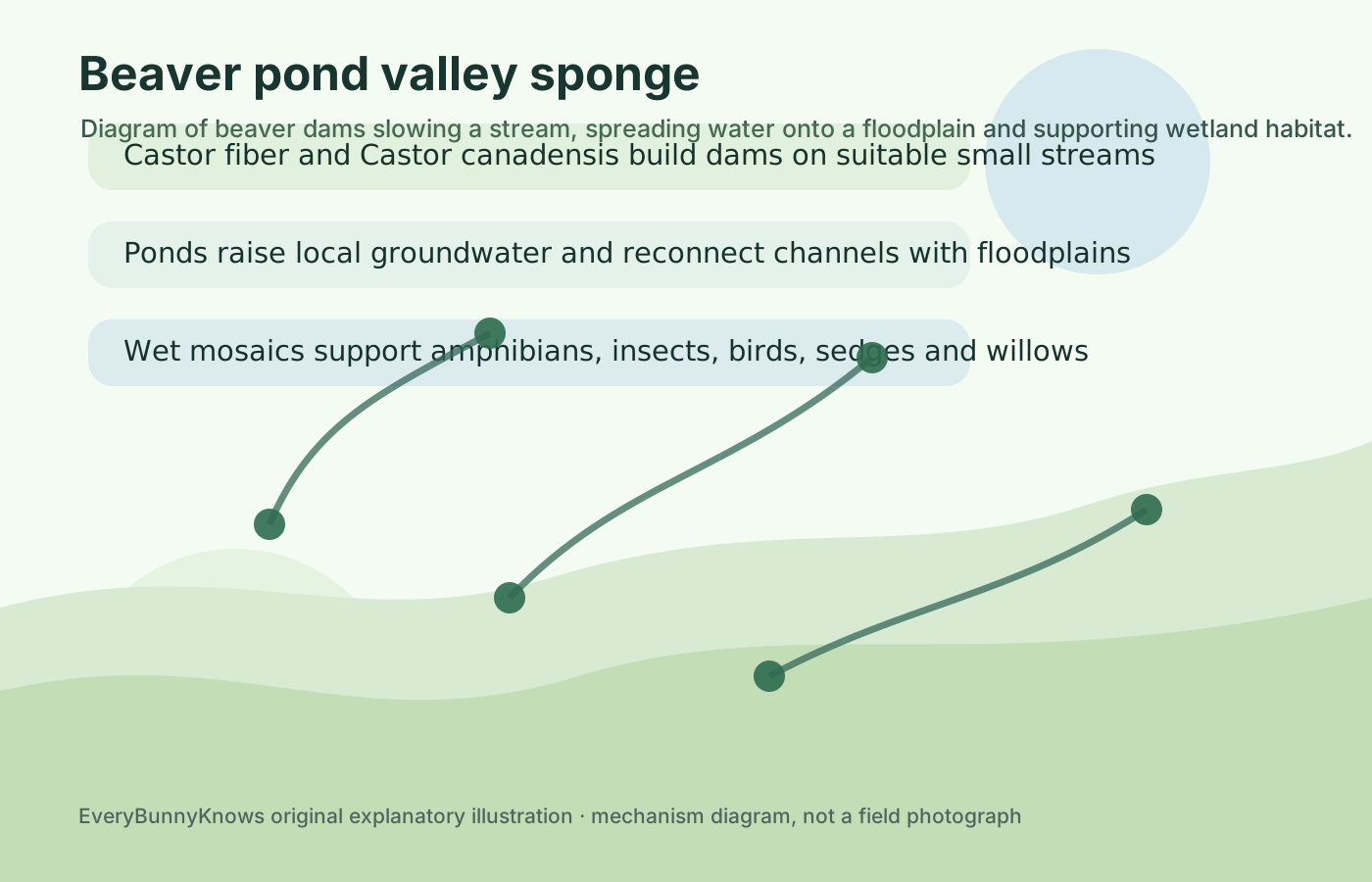
A beaver pond begins with ordinary materials: branches, mud, stones, reeds and the repeated work of a large rodent. Yet the result can change an entire small valley. Eurasian beavers, Castor fiber, and North American beavers, Castor canadensis, build dams where shallow streams, willow, alder, aspen or other woody plants give them enough food and construction material. Behind the dam, fast water spreads, slows and deepens. A narrow channel becomes a chain of ponds, wet meadows, side channels and muddy edges.
That physical change is why beavers are often called ecosystem engineers. Their dams reduce stream energy, trap sediment and push water sideways into the floodplain. As pond levels rise, nearby groundwater can rise too, keeping soils wetter for longer after rain or snowmelt. In dry periods, water stored in pond complexes and saturated banks may leak back slowly, helping some channels stay cooler and more persistent. In a warming climate, that sponge effect is one reason land managers pay attention to beaver restoration and beaver-dam analogues.
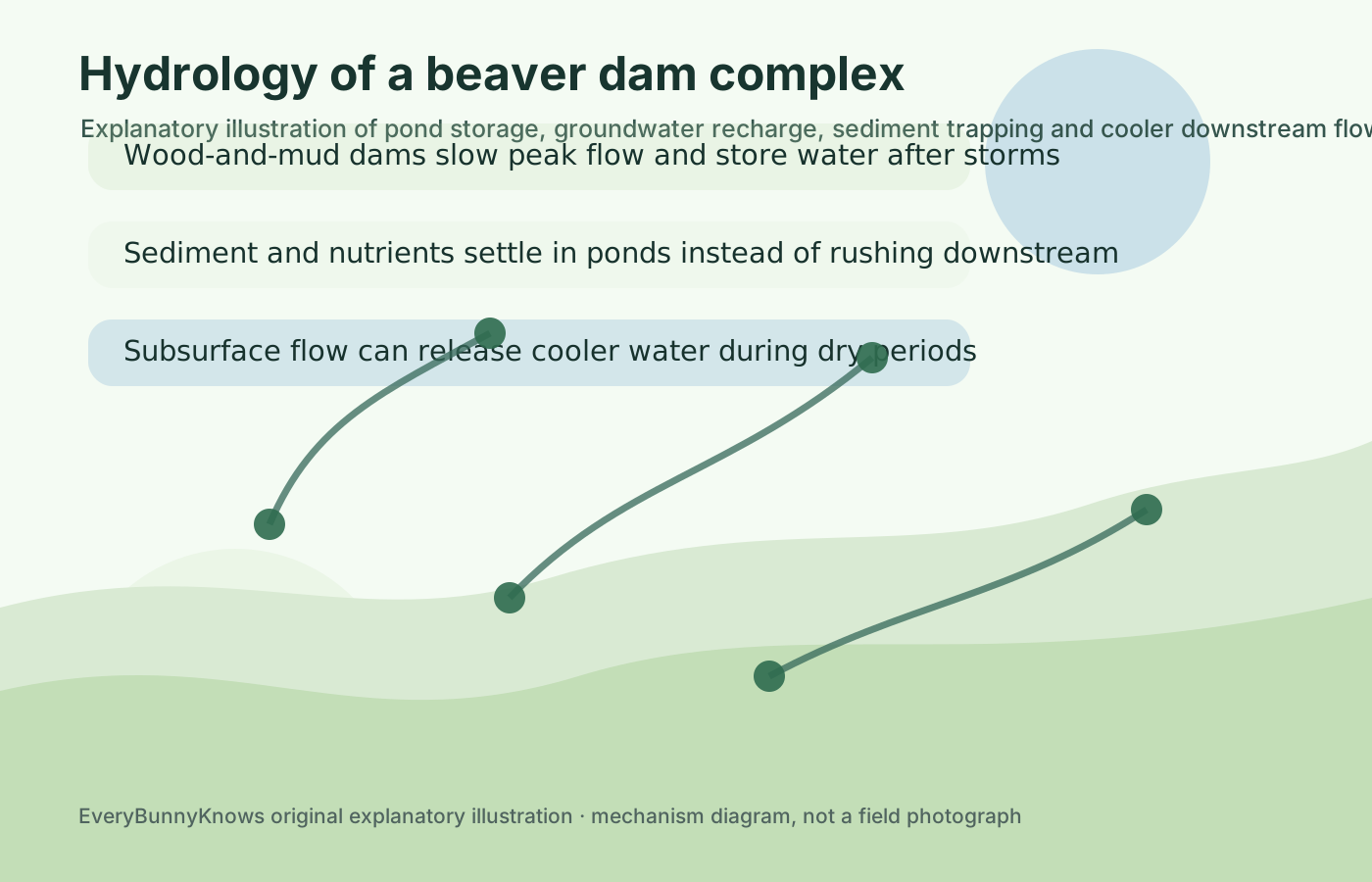
The ecological response can be rapid. Shallow ponds warm at the edges and grow aquatic plants; open water attracts dragonflies, ducks and bats; flooded wood becomes habitat for beetles and fungi; and wet margins support sedges, rushes and willow shoots. Amphibians often benefit from fish-free or slow-water breeding places. In western North America, research has linked beaver-created complexity with better refuge for juvenile salmonids in some streams, while European projects have documented more varied wetland habitat after Castor fiber returned to landscapes where it had been hunted out.
The mechanism is not mysterious, but it is powerful because it works with gravity. A straightened or incised stream behaves like a drain: it moves water quickly away, cuts down into its bed and leaves the valley floor dry. A beaver dam adds roughness and height. Water overtops, seeps through and moves around the structure, creating multiple pathways. Sediment drops, plants root into the new surface, and later dams can step the system upward like a staircase. Over time, the valley stores more water and more carbon-rich organic matter.
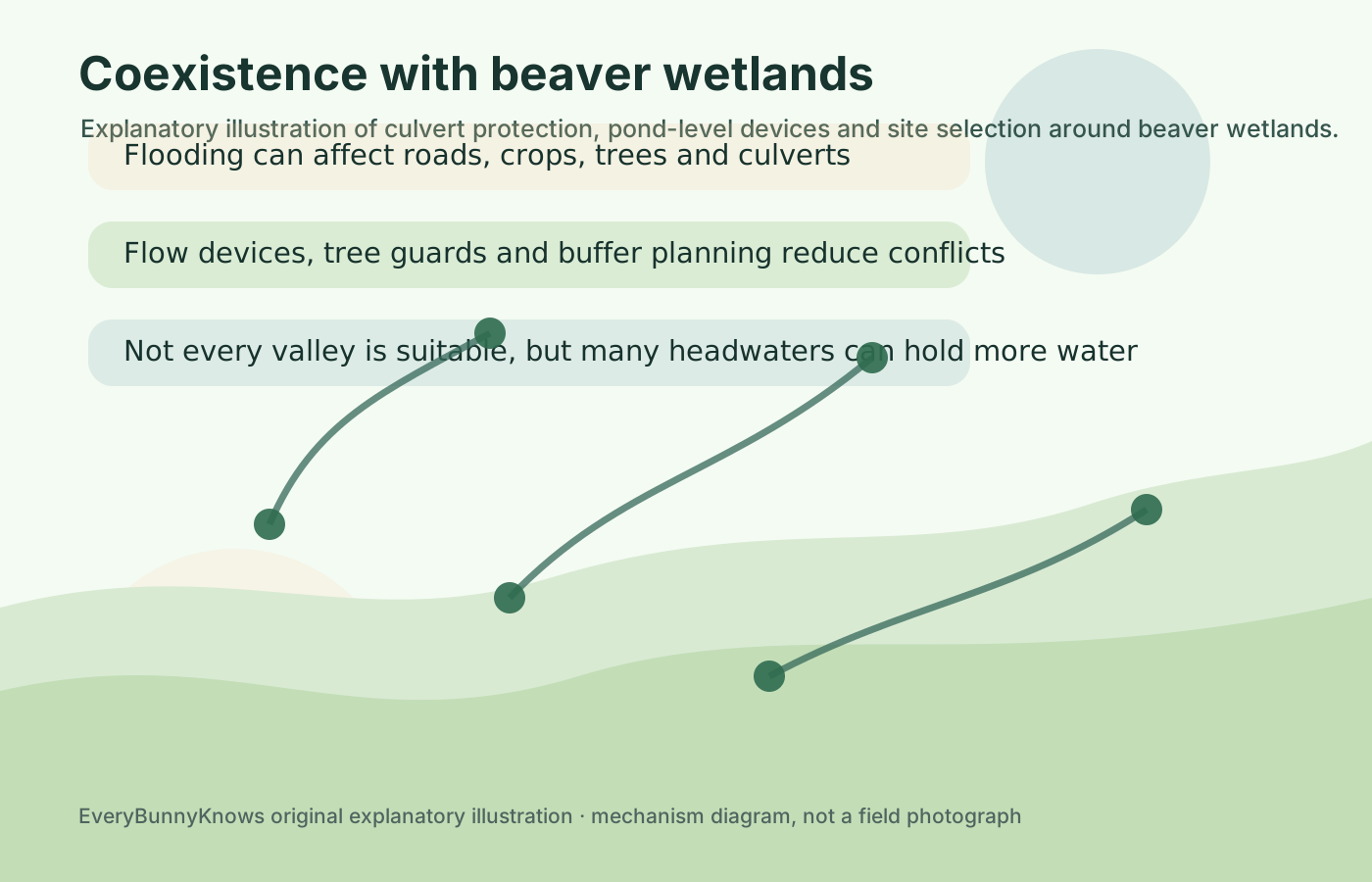
There are limits and conflicts. Beavers can flood tracks, crops, gardens and roads; block culverts; cut valued trees; and change water temperature or fish passage differently from site to site. Their ponds may store carbon in wet sediment while also producing methane, so climate accounting is not a simple one-way benefit. A dam that helps a headwater meadow may be a problem beside a railway embankment. Coexistence usually depends on choosing suitable places, protecting culverts, wrapping important trees, using pond-leveling devices where appropriate and compensating or advising landowners quickly.
The hopeful part is that many valley repairs do not require concrete. They require enough room for water to slow down and enough tolerance for a messier edge. Where beavers are welcome, or where carefully built analogues mimic some of their work, a tired stream can regain ponds, reeds, insects, amphibians and late-summer moisture. The animal is not a universal restoration tool, but it reminds us that water recovery often begins by letting a valley hold water again.