Betony: the woodland herb between monastery lore and modern evidence
Betony once belonged to European herbals and household remedies. Today it is safer to read it as a cultural and botanical story: a real woodland-edge plant with a long record, but limited modern clinical evidence for health claims.
Felix Arden ·
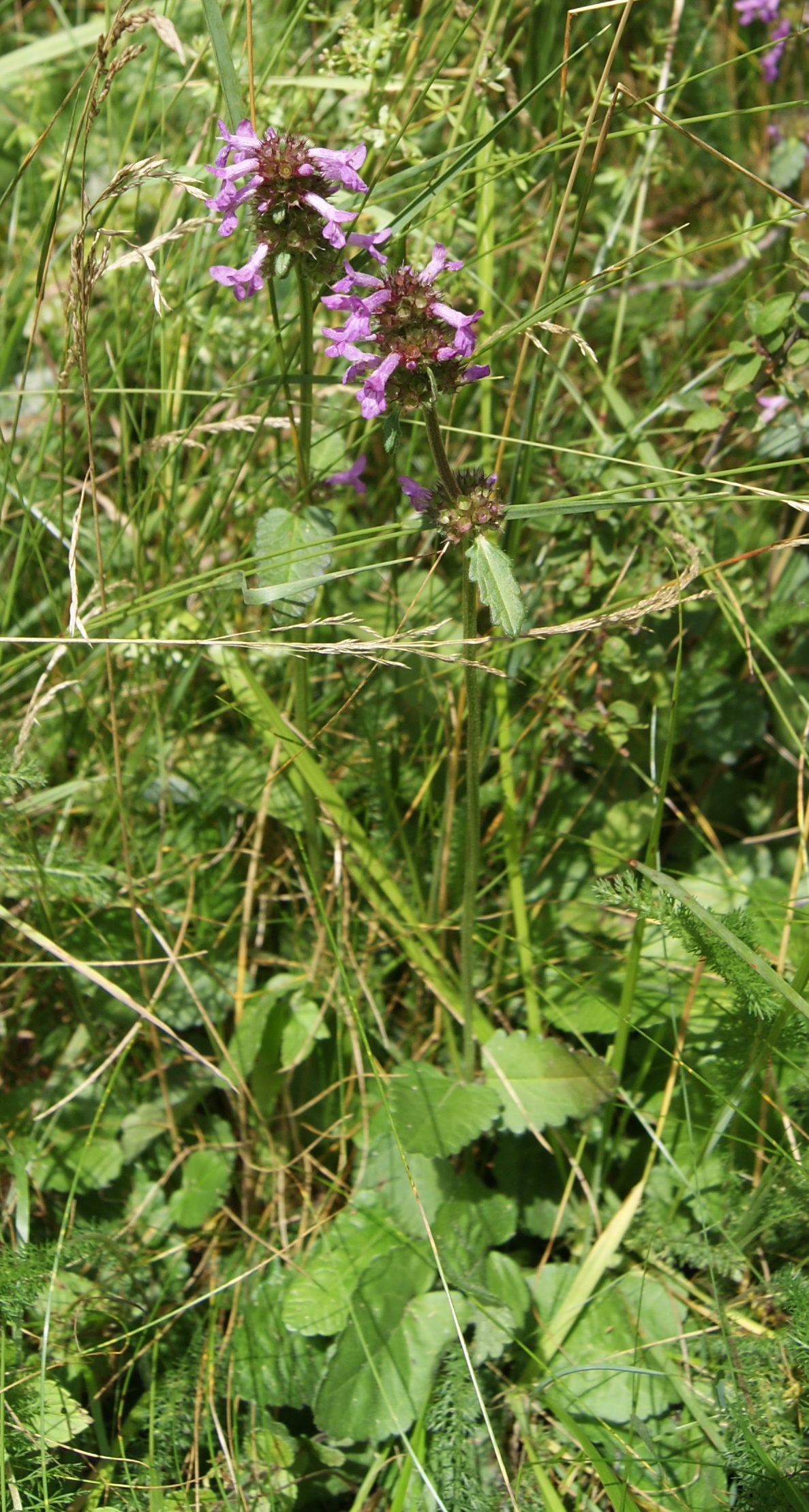
In a meadow margin or a bright woodland ride, betony is easy to overlook until its purple flower spikes catch the eye. The plant usually listed today as Betonica officinalis, and long also known as Stachys officinalis, belongs to the mint family. It grows across much of Europe, including Central Europe, in grassland, open forest edges and traditionally managed habitats. That plain botanical identity matters, because betony’s medical reputation is much larger than the modest plant itself.
Medieval and early-modern European herbals treated betony as a near-universal household herb. Writers praised it for the head, digestion, wounds and vague weaknesses, and the old Latin saying that a person “has as many virtues as betony” captures the size of that reputation. Monasteries, physicians and lay households all helped carry the name forward. In Central Europe the story fits a broader pattern: useful plants moved between meadow, garden, market and manuscript, while the same common name could gather many local expectations.
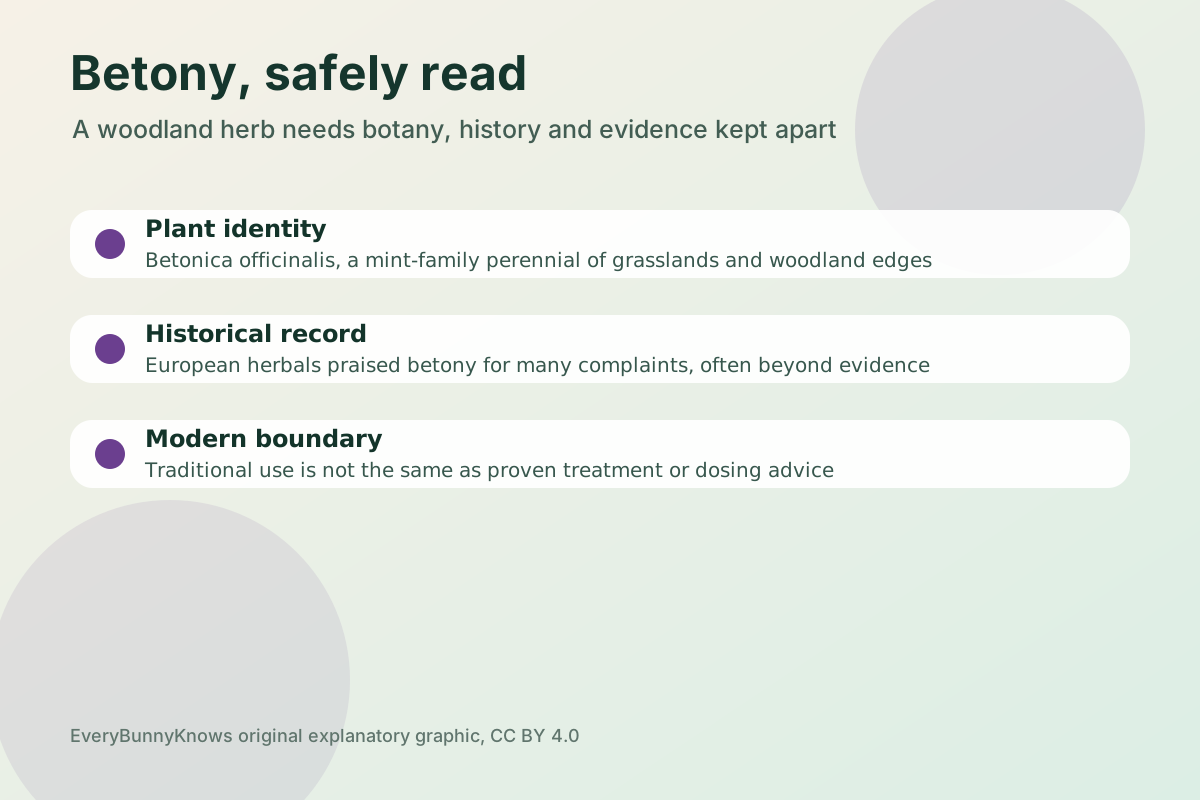
The mechanism behind the old confidence was not modern pharmacology. Historical medicine worked with humoral theory, observation, taste, smell and inherited authority. A bitter or aromatic herb could be matched to a category of ailments because it seemed drying, warming, calming or strengthening. Modern plant chemistry can identify tannins, phenolic compounds and other constituents in members of the mint family, but identifying compounds is not the same as proving that a preparation treats a disease in people.
That is the safety boundary. Betony is a real plant with a real documentary trail; it is not evidence of a ready-made treatment plan. Contemporary medical writing should not tell readers to use betony for headaches, anxiety, digestion, pregnancy, chronic illness or any other condition. People taking medicines, living with liver or kidney disease, pregnant or breastfeeding, or caring for children need professional advice before using herbal products, because natural products can still cause side effects, contamination problems or interactions.
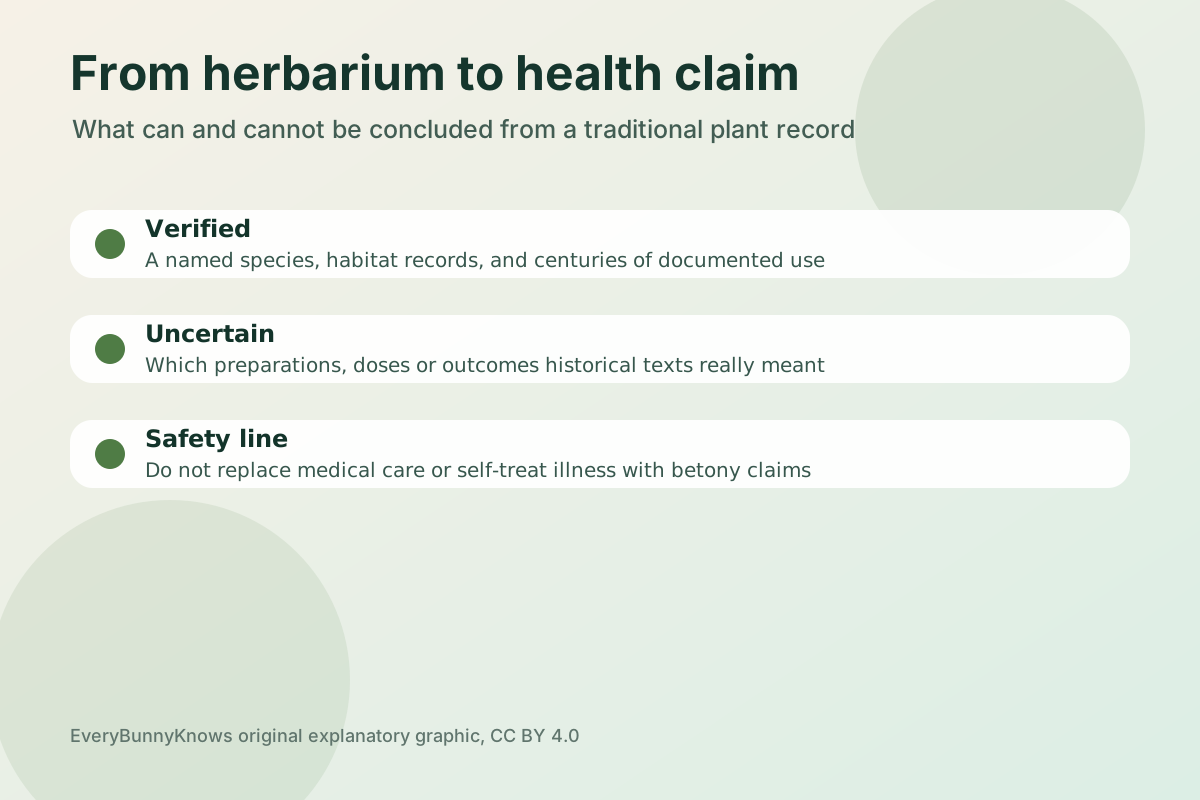
The most useful way to recover betony is therefore cultural and ecological. Databases such as Plants of the World Online and regional flora projects help anchor its name and range. Historical sources explain why it appeared in gardens and books. Public-health sources remind us that tradition can inspire questions, not replace testing.
That distinction also protects biodiversity from being turned into a shopping list. If a plant becomes fashionable because an old herbal praised it, wild populations and look-alike species can suffer from careless collecting. A safer modern interest in betony begins with identification, habitat protection and consultation with qualified clinicians rather than improvised remedies. The hopeful part is quieter than the old claims: a forgotten herb can teach readers how to admire inherited knowledge while asking the modern questions that keep health information safe.