Bronze Age mines in Spain and the long route of Scandinavian metal
Lead-isotope studies show that Nordic bronze objects were part of a wider Atlantic metal network in which Iberian mining districts could matter as much as local workshops.
Noah Circuit ·
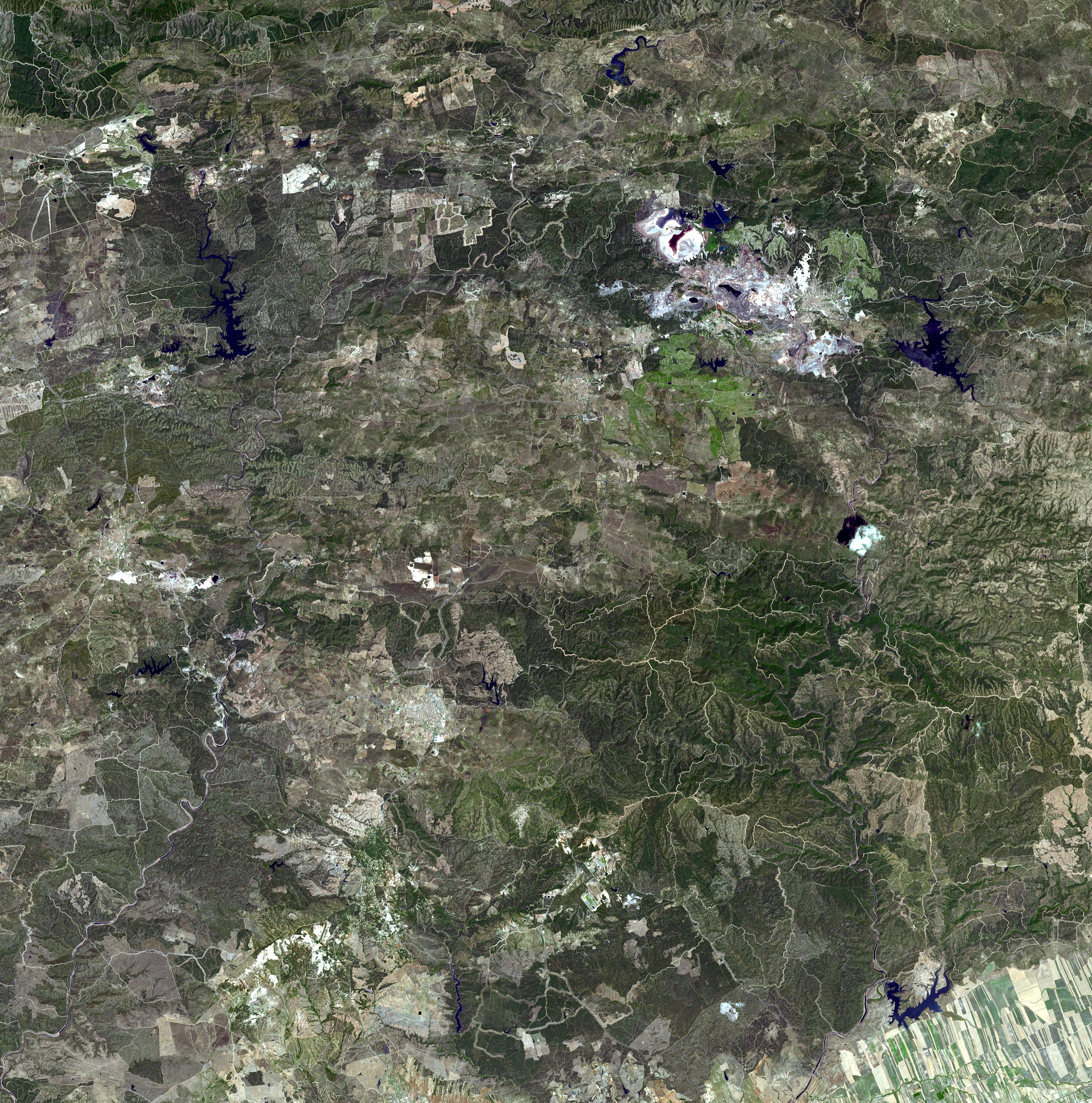
When archaeologists ask where Scandinavian Bronze Age metal came from, they are asking a question that a finished axe or sword cannot answer by shape alone. Denmark, Sweden and Norway have rich Bronze Age finds, but they do not have the same obvious local supply of copper and tin that the objects require. The clue lies in chemistry: lead-isotope and trace-element studies can compare the metal in artefacts with the geological signatures of ore districts from the Alps, the British Isles, the Mediterranean and Iberia. That is why mines in Spain matter to a Scandinavian mystery. They help turn bronze from a beautiful object into a map of movement.
The strongest version of the story is not that one newly photographed pit in Spain supplied every northern blade. It is more careful and more interesting. Research on Scandinavian Bronze Age artefacts, including the Journal of Archaeological Science study commonly cited as Moving Metals II, shows that metal reaching the north changed source zones over time. Some objects match central European and Alpine signatures; others fit Atlantic and Iberian possibilities better. In that setting, the old mining landscapes of south-western Spain, including the Río Tinto belt, become plausible parts of a wider exchange system rather than remote scenery.
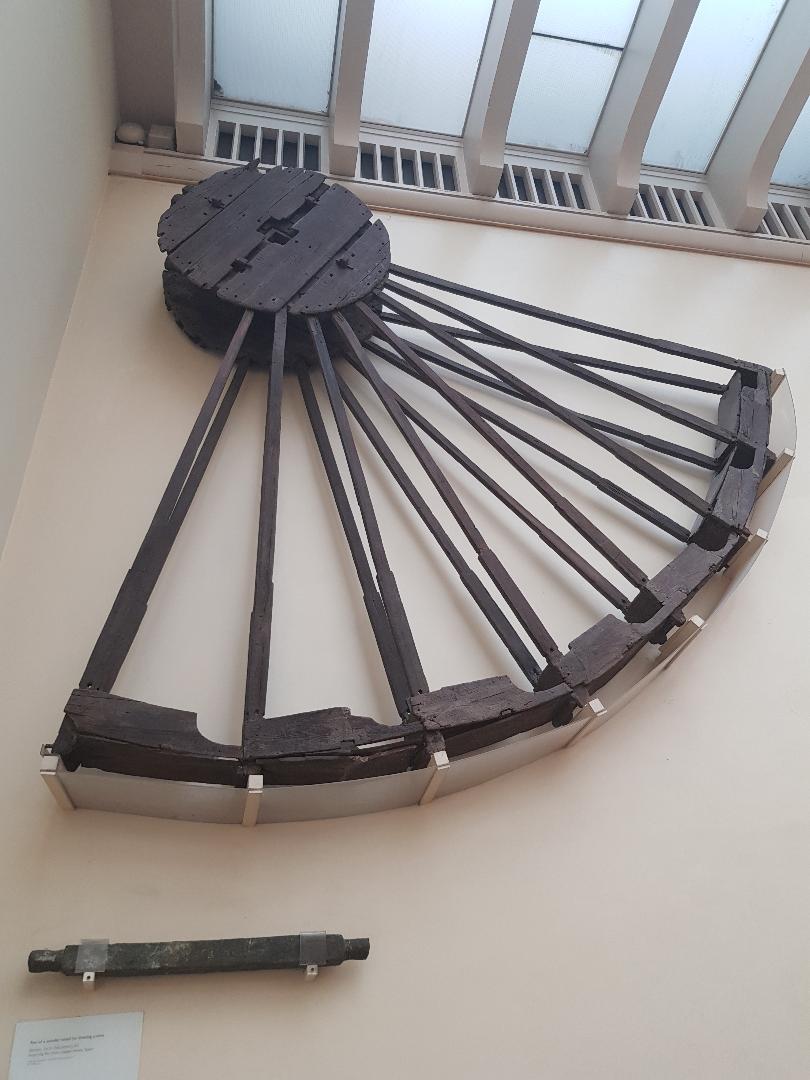
The mechanism is simple in principle and difficult in practice. Copper ore contains tiny ratios of lead isotopes shaped by geological time. Smelting and alloying can complicate the signal, especially when metal was recycled, mixed or remelted, but the isotopic pattern can still narrow the field of likely origins. Archaeologists combine that chemical evidence with typology, hoard contexts, ship routes, amber exchange, rock art and settlement evidence. The result is not a single trade road with pins on a modern map. It is a changing network in which metal, ideas and status goods moved through many hands.
Spain’s role is especially useful because Iberia had major copper and tin-bearing regions and was connected to Atlantic seaways. The south-western mining districts were exploited intensely in later periods, and some have deep pre-Roman histories. Even when a specific Bronze Age working cannot be matched to a single Nordic object, the geology provides a testable source region. The discovery or renewed study of ancient workings therefore matters because it gives researchers better samples, better chronology and a more realistic sense of what communities could extract.
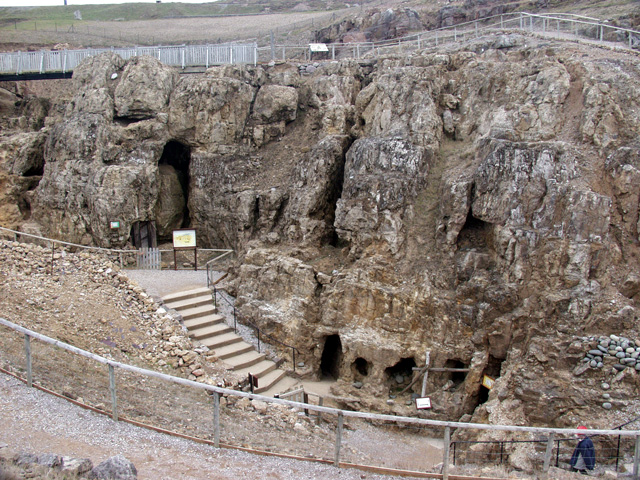
The limits are important. A lead-isotope match is not a shipping label, and the phrase “from Spain” can hide many stages of exchange. Ore could be smelted near a mine, cast elsewhere, traded as ingots, remelted into tools, then recycled generations later. Tin is another part of the bronze recipe, and its sources are often harder to prove than copper. For that reason the best scholarship speaks in probabilities, clusters and compatible source fields, not in courtroom certainty.
What becomes clearer, however, is the scale of Bronze Age connection. Northern elites who buried bronze objects were not living at the edge of a silent world. They were linked to miners, smelters, sailors, traders and craft specialists across Europe. Spanish mining evidence does not make Scandinavia less distinctive; it makes its distinctiveness more intelligible. The shine of a northern sword may include local skill, Atlantic travel and the chemical memory of ore formed far beyond the Baltic horizon.