Mississippi Asylum Burials Turn a Hospital Cemetery Back Into Human History
At the former Mississippi State Lunatic Asylum in Jackson, archaeologists have documented more than 1,000 graves from a cemetery estimated at about 7,000 burials, shifting attention from an institution to the people once buried without markers.
Tomáš Hare ·
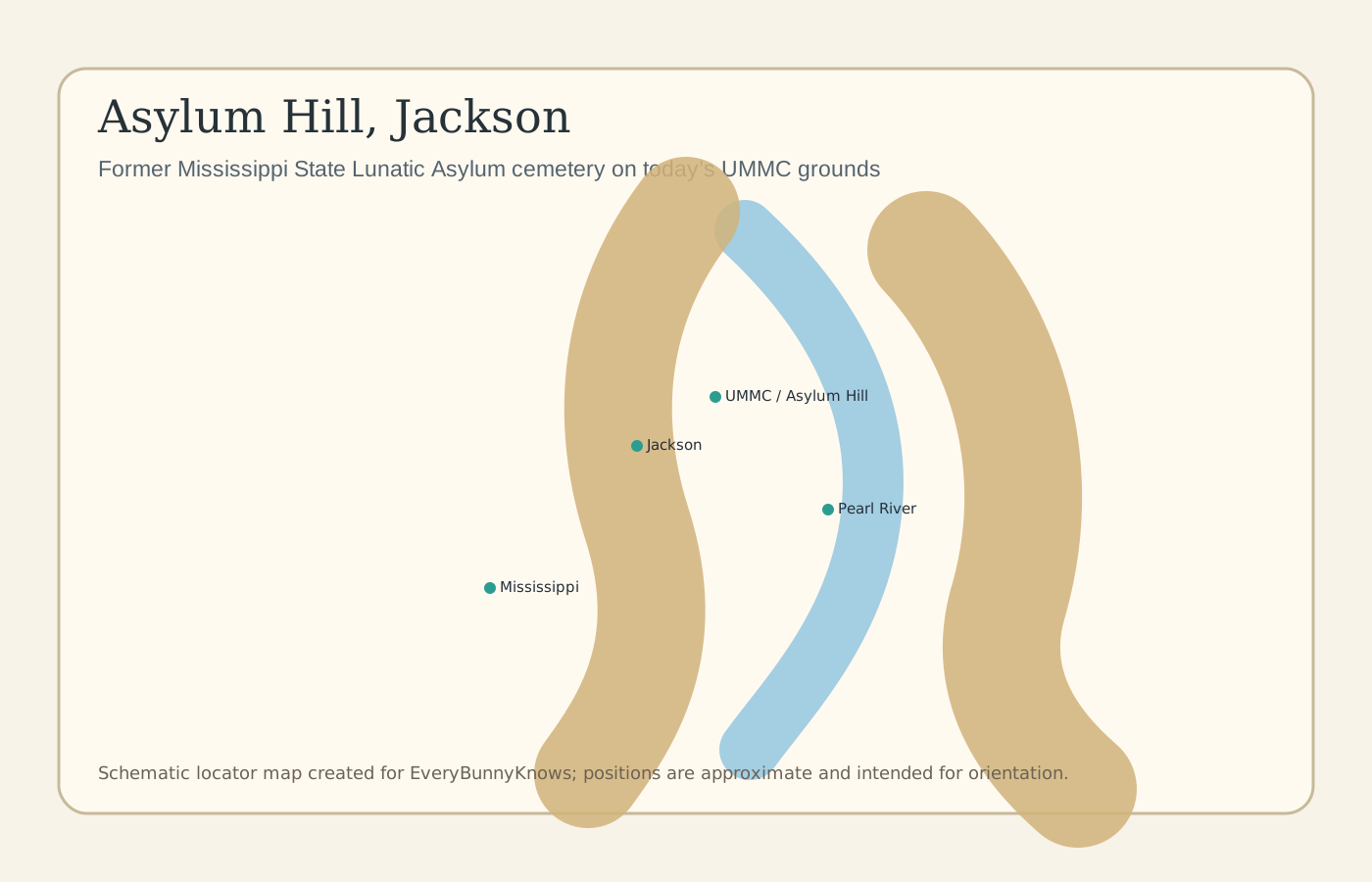
The excavation at Asylum Hill in Jackson, Mississippi, asks readers to slow down before using the word “discovery.” The cemetery was not unknown because the people buried there were unimportant. It became hard to see because institutional records, construction, lost markers and public memory failed to keep the dead visible. Archaeology Magazine, summarizing WAPT reporting, says more than 1,000 graves have been found at the former Mississippi State Lunatic Asylum site since the cemetery was identified in 2013 on the grounds of the University of Mississippi Medical Center.
The scale is sobering. The cemetery is estimated to have held about 7,000 graves, while the asylum operated from 1855 to 1935. Archaeologist Jennifer Mack described graves that can be poorly preserved, sometimes leaving only a few bone fragments, teeth and coffin nails. Yet she also emphasized order: each person was in an individual coffin and grave, lined up neatly. That detail matters because it resists the idea of an anonymous dump. Even when names were lost, the burial practice recognized individual bodies.
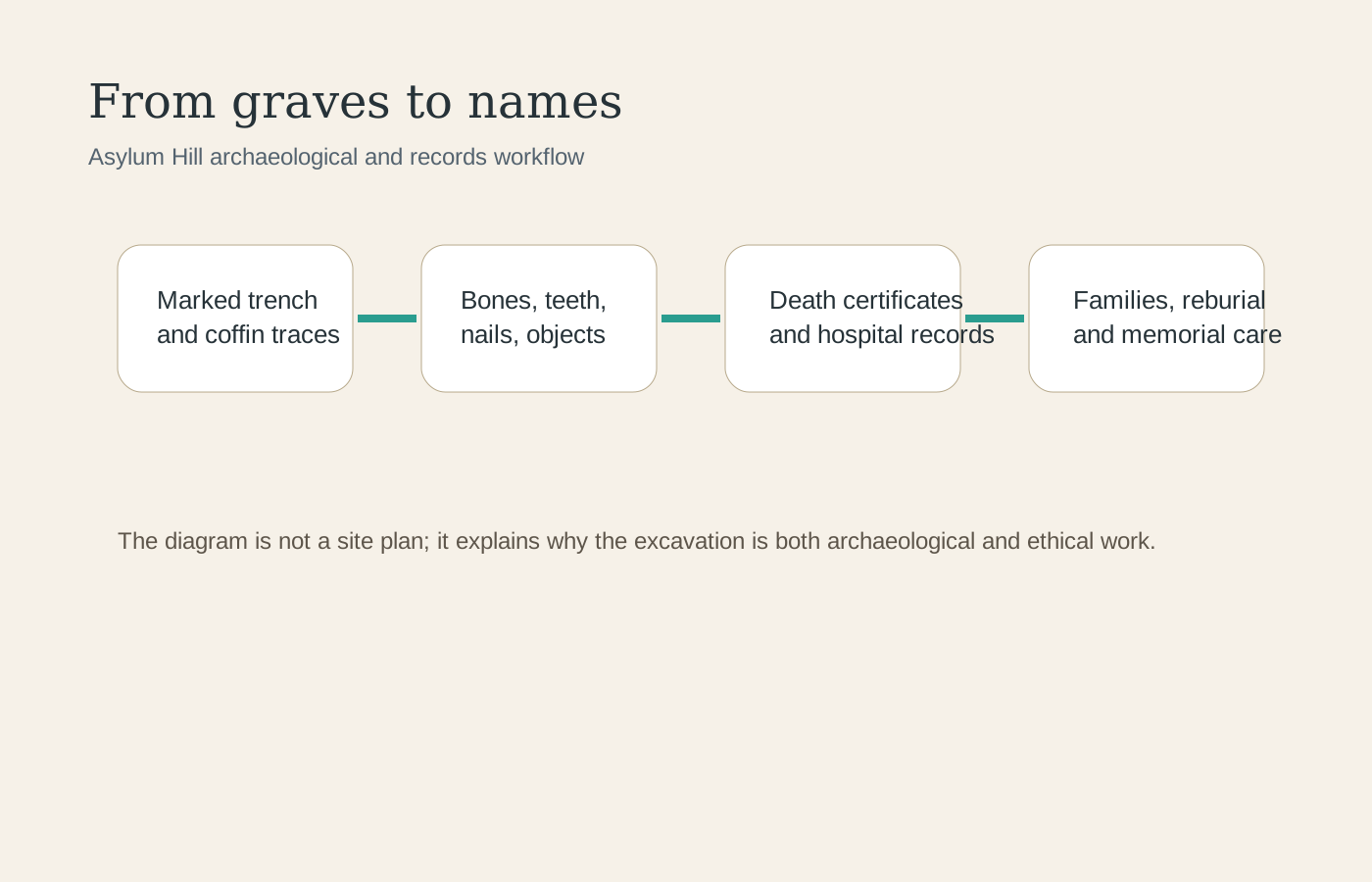
The mechanism of the research is a careful joining of ground and paper. Excavation documents grave shafts, coffin hardware, fragments of clothing, coins, jewelry and human remains. Records add dates and possible identities. Lida Key of the Medical History Museum has noted that preserved death certificates from 1912 to 1935 can help connect people to the institution. Hospital records explain why some patients were buried there: families lived far away, could not be reached, or lacked the means to arrange burial elsewhere.
The story also widens the meaning of “asylum.” People may have entered such institutions for reasons that a modern reader would not group together: mental illness, depression, old age, heart conditions, disability, poverty or family crisis. Nineteenth- and early twentieth-century hospitals were medical institutions, social safety nets and places of confinement at the same time. A cemetery on their grounds records that mixture with unusual force.
Ethics are not an afterthought. UMMC researchers have been attempting to return remains to surviving families when possible, while collecting photographs, letters and memories about people who lived in the facility. Plans for a mausoleum for unclaimed remains are not merely architectural. They are a public decision about whether a hospital campus treats the dead as obstacles to development or as people whose lives belong in the city’s history.
There are limits. Not every grave can be matched to a name, and fragile remains cannot answer every biographical question. Archaeology cannot repair the suffering that brought people to the asylum or the neglect that erased markers. What it can do is narrower and still powerful: preserve evidence, make records searchable, give families a chance to reconnect, and build a memorial language that treats institutionalized people as citizens rather than footnotes.