Carthage Must Be Destroyed
Cato the Elder’s famous refrain, "Carthage must be destroyed," was more than a political slogan; it was the culmination of a long-held Roman ambition to dominate North Africa and eliminate its greatest rival.
Ada Brooks ·
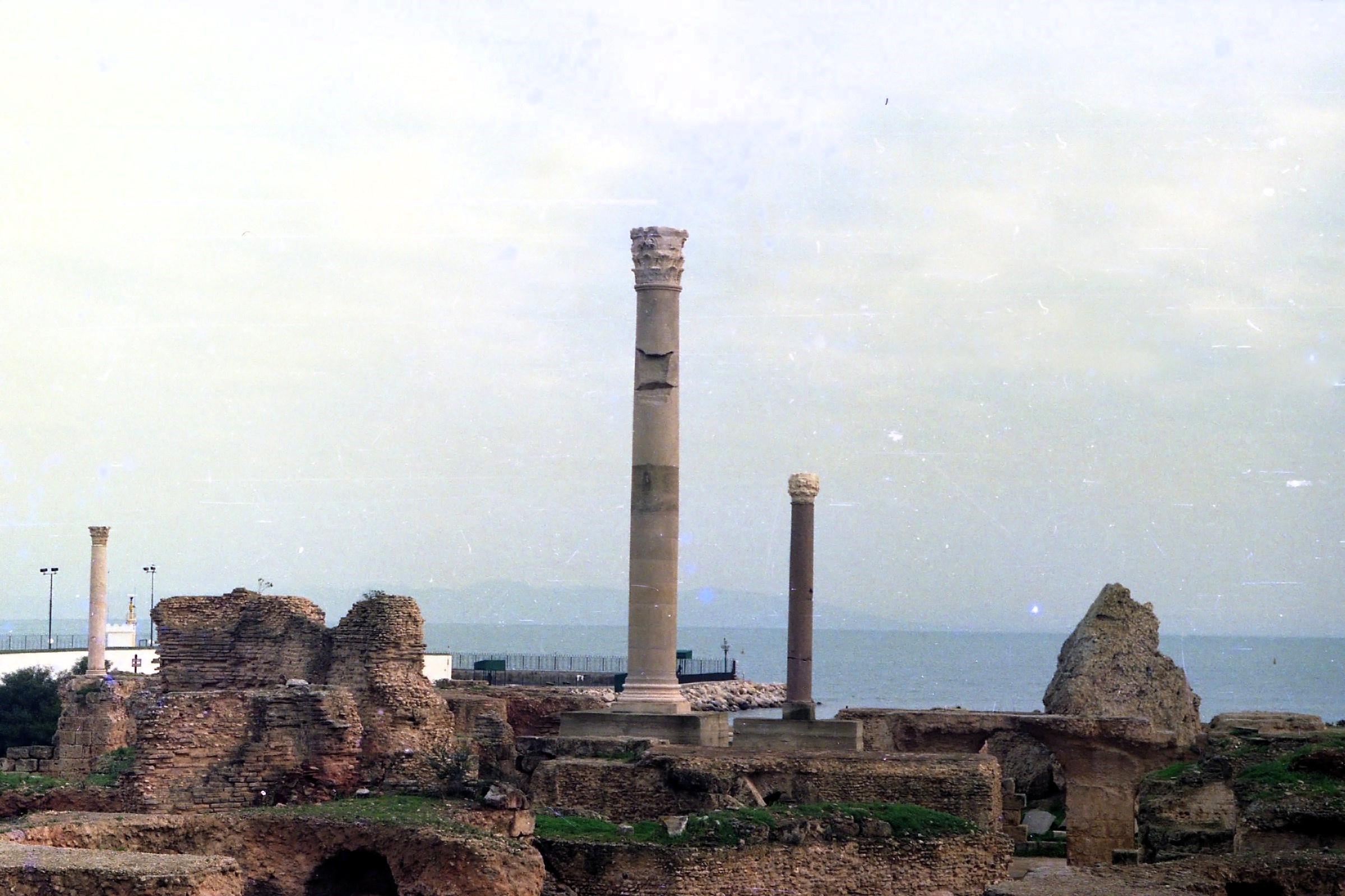
In the middle of the 2nd century BCE, the Roman Republic stood as the undisputed master of the Mediterranean. Its most formidable rival, Carthage, had been defeated and humbled decades earlier at the end of the Second Punic War. The Carthaginian navy was gone, its territories were reduced, and a crippling indemnity was being paid to Rome. Yet, for one influential statesman, this was not enough. Marcus Porcius Cato, known to history as Cato the Elder, began to end every speech he made in the Senate, regardless of the topic, with a stark and unyielding refrain: "Ceterum censeo Carthaginem delendam esse." Furthermore, I consider that Carthage must be destroyed. This obsession was not born in a vacuum. The memory of the Second Punic War, and particularly of Hannibal's devastating campaign across Italy, was etched into the Roman consciousness. For over a decade, Hannibal had brought war to the Italian peninsula, inflicting crushing defeats on Roman legions at battles like Trebia, Lake Trasimene, and Cannae. He had threatened the very existence of Rome. Though he was ultimately defeated by Scipio Africanus in North Africa, the trauma of his invasion fostered a deep-seated fear and a desire for absolute security. For two generations of Romans, Carthage represented an existential threat that could, and perhaps would, return. Cato was a stern traditionalist, a censor who saw laxity and moral decay growing within the Republic. He also understood power and economics. In the decades following its defeat, Carthage had demonstrated a remarkable capacity for recovery. Its fertile lands and mercantile prowess allowed it to pay off its war indemnity to Rome ahead of schedule. On a visit to the city, Cato was alarmed to see its renewed prosperity. This economic resurgence, he argued, would inevitably lead to military resurgence. He famously brought a fresh North African fig back to the Senate, holding it up to demonstrate how close the enemy was—just a three-day sail from Rome. For Cato, the continued existence of Carthage was a gamble the Republic could not afford to take. The only final solution was its complete and utter eradication. His was not the only voice in the Senate. A powerful counter-argument was made by Publius Cornelius Scipio Nasica Corculum, a relative of the man who defeated Hannibal. Scipio Nasica argued for the preservation of Carthage. He believed that having a credible rival, a source of perpetual fear, was essential for Rome's own health. Without the threat of Carthage, he contended, the Roman people would fall into complacency, luxury, and internal strife. The metus hostilis, or "fear of the enemy," was a necessary discipline. For a time, his argument held sway, revealing a deep division in Roman thought about the nature of their own power and future. But Cato's relentless campaign, coupled with Roman expansionist ambitions, slowly won the day. The opportunity for a final confrontation came around 150 BCE. The treaty ending the previous war forbade Carthage from waging war without Roman consent. When the neighboring kingdom of Numidia, a Roman ally, began encroaching on Carthaginian territory, Carthage eventually mounted a defense. This was the pretext Rome had been waiting for. The Senate dispatched an army with a series of escalating demands. The Carthaginians surrendered hundreds of hostages and their weapons, hoping to appease the Romans. But the final ultimatum was impossible: abandon their magnificent coastal city and rebuild it at least ten miles inland, far from the sea that was its lifeblood. The Carthaginians, cornered and with nothing left to lose, chose to fight. The conflict that followed, the Third Punic War, was not a war between equals but a protracted and brutal siege. For three years, the people of Carthage held out, forging new weapons from melted statues and defending their walls with desperate courage. But the outcome was never in doubt. In 146 BCE, Roman forces under the command of Scipio Aemilianus, the adopted grandson of Scipio Africanus, finally breached the city walls. What followed was a week of systematic destruction. The city was methodically burned to the ground, its buildings torn down, and its people either killed or sold into slavery. Roman power had not just defeated its rival; it had erased it from the map. The long appetite for North Africa was sated, and the region would become a important province, a breadbasket for the growing empire. Cato did not live to see his grim wish fulfilled, but his words echoed long after the smoke had cleared, a chilling evidence of the totality of Roman ambition.