A Celtic wagon grave in Hesse turns a solar-park dig into an Iron Age map
A newly reported Celtic wagon burial in Hesse, found during solar-park work, links gold rings, weapons and an Etruscan beaked jug to Iron Age status and long-distance exchange.
Matyáš Král ·
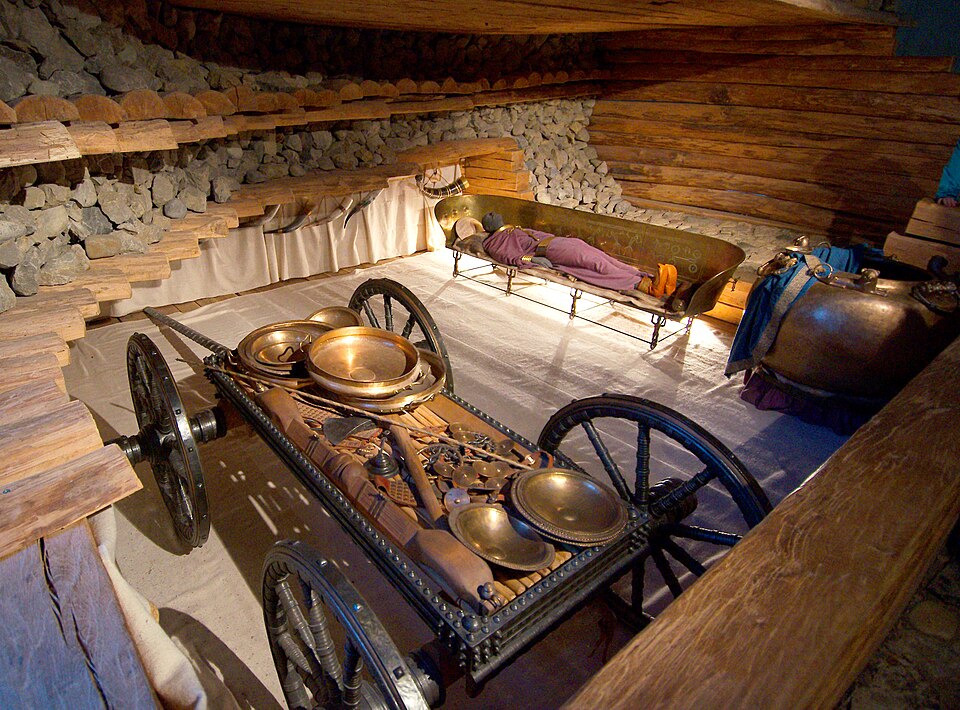
A grave found before a solar park was built in Hesse has turned an ordinary development project into a reminder of how wide the Iron Age world could be. According to the report carried by Archaeology Magazine, Hesse state archaeologist Udo Recker described a Celtic tomb more than 2,000 years old, attributed to the Hunsrück-Eifel culture, that held several gold rings, weapons and an Etruscan beak-spouted jug. The most important detail is not only that the burial is rich. It is that the objects point in different directions at once: local identity, martial display, personal ornament and contact with Mediterranean craft traditions.
Rescue archaeology often works in this narrow window between planning permission and construction. Roads, housing, pipelines and solar parks open ground that might otherwise stay unseen, and archaeologists have to document fragile contexts before modern machines change them forever. In this case the solar-park setting matters because it explains why a high-status Iron Age burial could appear suddenly in the news: the grave was not waiting in a museum collection, but under a landscape being prepared for new energy infrastructure. The hopeful part of the story is practical. Careful heritage checks can let a place gain renewable power without erasing older chapters of its history.
Wagon burials were among the most expressive funerary choices of the Hallstatt and early La Tène worlds. A vehicle in a grave was not just transport. It could say that the dead person belonged to a household able to command woodworkers, metal fittings, animals, labor and ritual attention. Gold rings sharpen that message, because small precious objects are easy to move yet socially loud. Weapons add another register, linking the burial to protection, rank or an ideal of warrior identity. None of these objects can tell us the biography of the person in the grave by themselves, but together they form a grammar of status that Iron Age communities understood.
The Etruscan beaked jug is the clue that makes the grave feel larger than its local field. Such vessels belong to a Mediterranean tradition of pouring and feasting, and their presence north of the Alps points to exchange networks in which metalwork, wine customs, gifts and prestige circulated across long distances. That does not mean the buried person traveled to Italy, or that the grave proves a simple trade route on its own. It means the household had access to objects whose value came partly from being foreign, rare or culturally charged. In archaeology, that kind of object often matters less as a luxury than as evidence for connection.
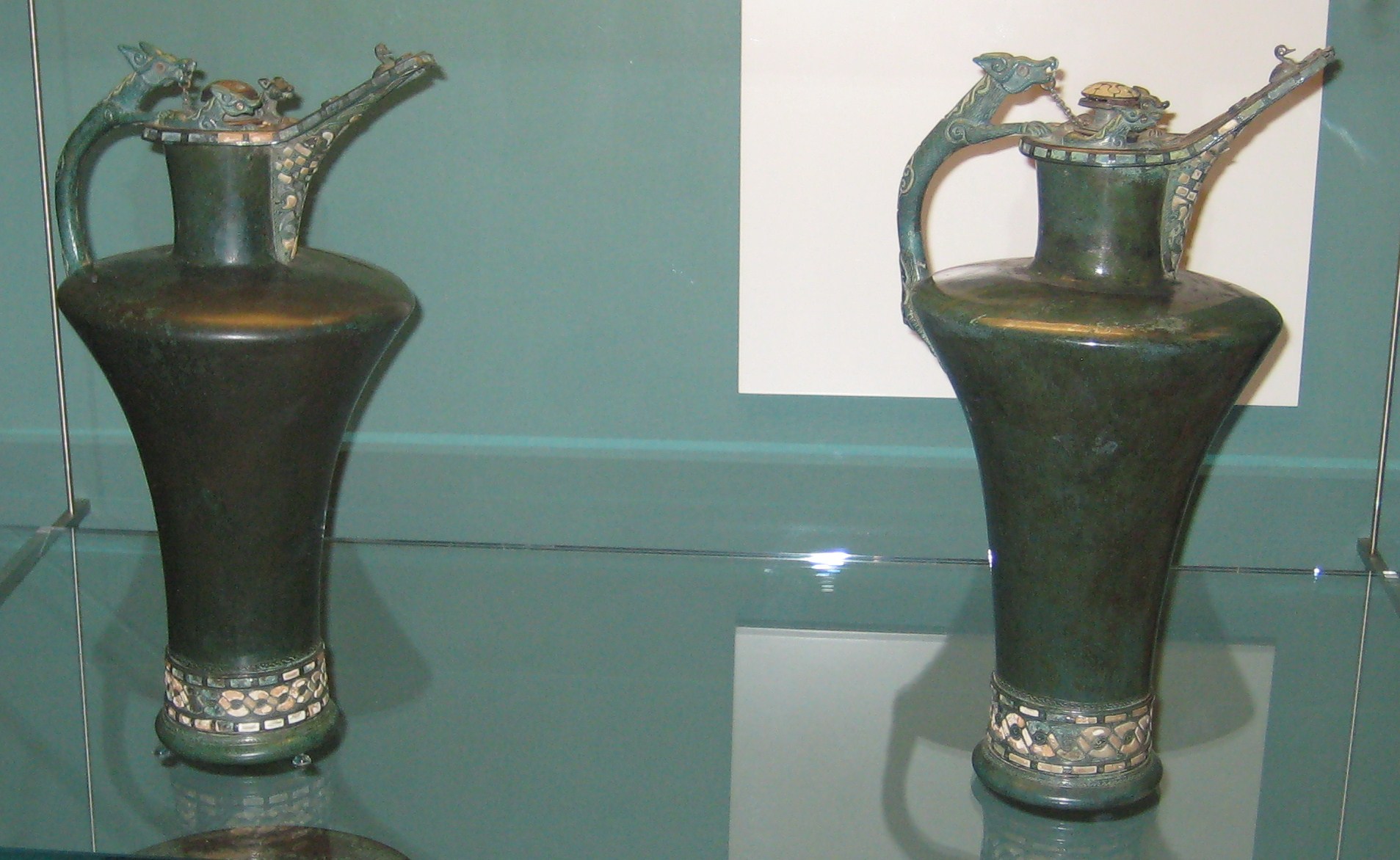
The Hunsrück-Eifel culture, named for a region west of the Rhine and Moselle, helps place the discovery in a Central European world that was never isolated. Communities farmed, forged, fought, exchanged gifts and buried selected people with objects designed to be remembered. Czech readers have a natural bridge into the story: Celtic La Tène culture also shaped parts of Bohemia and Moravia, and the very idea of “Celtic Europe” is best understood as a mosaic of regional communities rather than a single nation. A grave in Hesse therefore speaks both locally and across the wider map of Iron Age Europe.
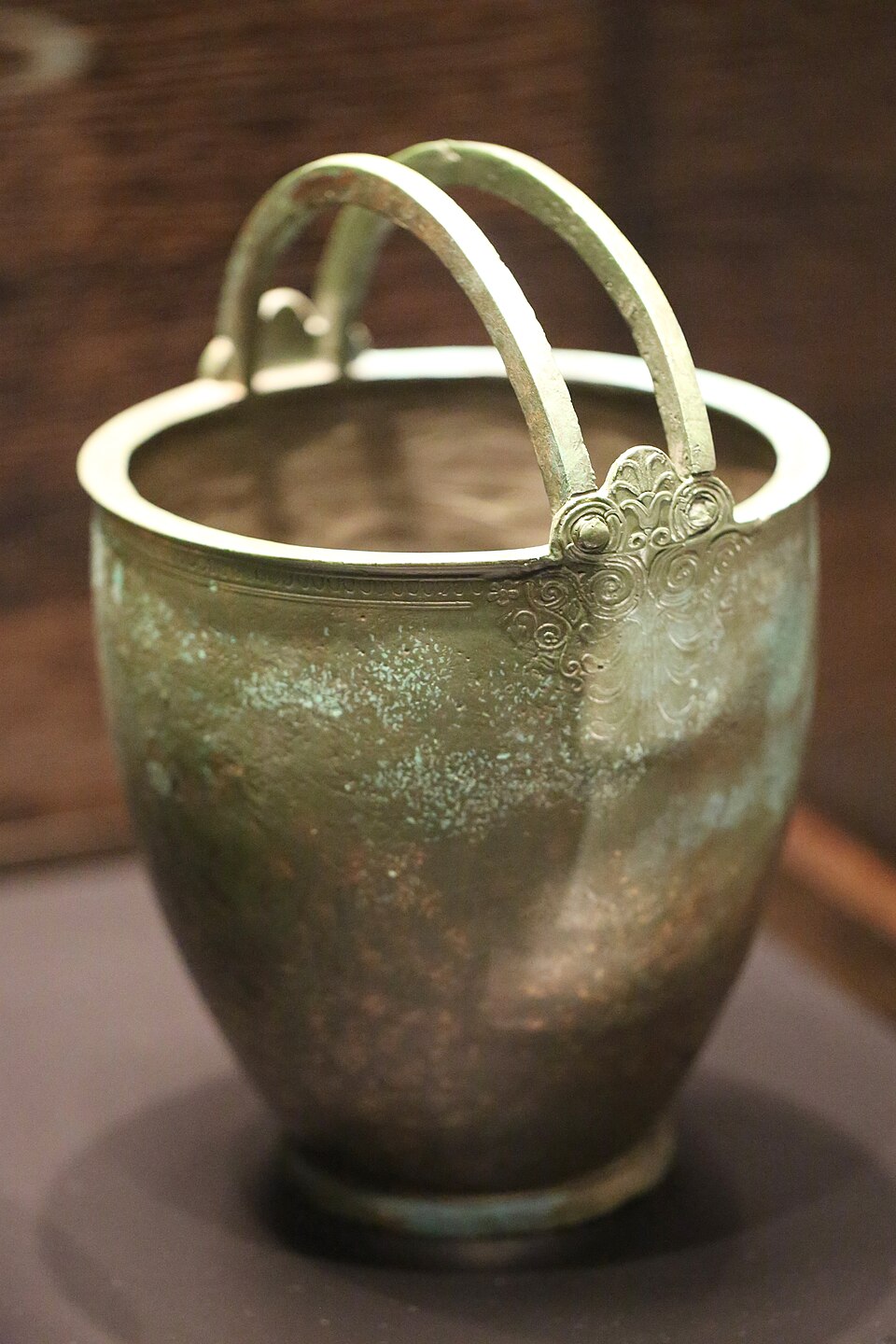
The limits are just as important as the shine. A preliminary report cannot yet answer every question about the buried person’s age, sex, health, diet, exact date or social role. Gold and weapons can suggest high rank, but they do not automatically prove political power. An imported or Etruscan-style jug shows connection, but not the full path by which the object moved. The next layer will come from conservation, typological comparison, possible residue analysis and a fuller excavation report. For now, the grave is valuable because it gives researchers a compact, well-anchored set of evidence: a place, a cultural horizon and objects that make ancient relationships visible.
That is why the find is more than a spectacular tomb headline. It is a small map of Iron Age Europe buried in one grave: local soil, regional burial customs, metalwork, weapons and a Mediterranean vessel meeting under a modern solar project. If the objects are conserved and published in detail, they may help refine how archaeologists understand the movement of prestige goods between central Germany and the wider Celtic and Etruscan worlds. The best outcome is not a louder myth of Celtic treasure, but a clearer picture of how communities used things, rituals and long-distance contacts to say who mattered.