Centaury: The Tiny Bitter Herb Behind a Very Old Digestive Tradition
Centaury links Czech meadows, bitter plant chemistry and European herbal tradition, but its history is not a licence for self-treatment or careless harvesting.
Klára Novák ·
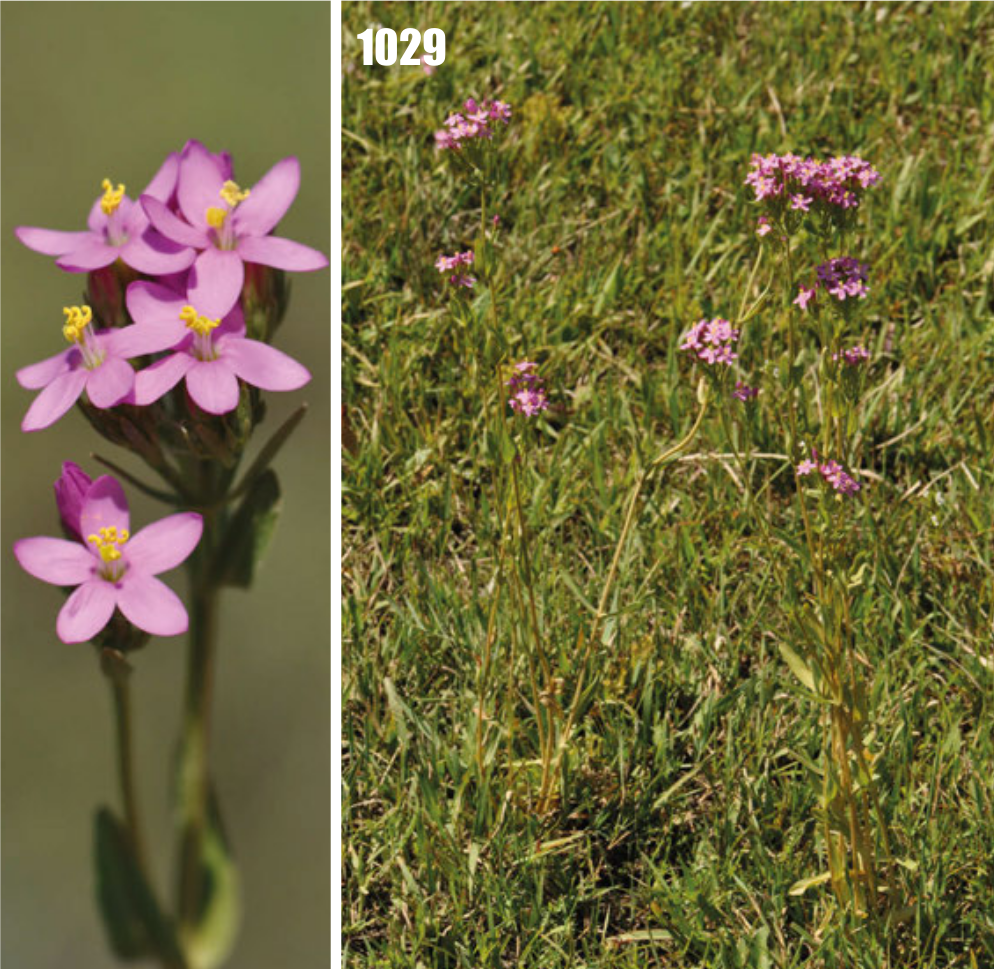
Centaury is easy to miss until it flowers. Centaurium erythraea is a small pink-flowered member of the gentian family, often living in grassland, forest margins, disturbed sunny places and calcareous habitats. In Czech it is zeměžluč, a name that already hints at bitterness. Pladias records it in the Czech flora, while botanical databases such as Kew’s Plants of the World Online place it firmly in a wider Eurasian and North African plant story. The medical-sounding part begins with taste, not with a guarantee.
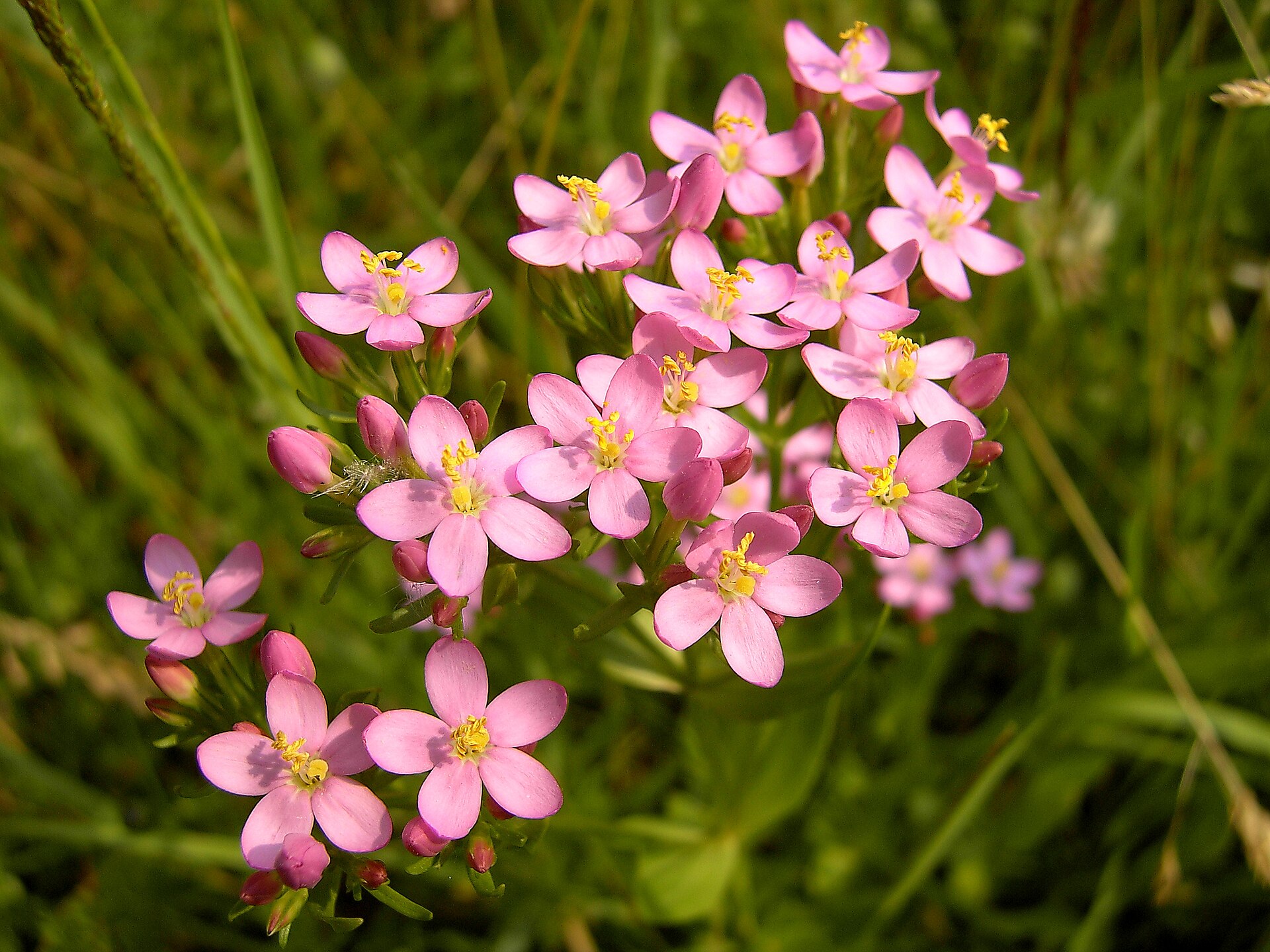
Bitter plants have a long digestive tradition because taste receptors in the mouth and gut are part of the body’s early warning and signalling system. Centaury contains bitter secoiridoid compounds, including gentiopicroside and related molecules, that explain why even a tiny amount can taste strong. In European herbal medicine, centaury herb was traditionally used for loss of appetite and mild dyspeptic complaints. The European Medicines Agency’s herbal committee has treated that use as traditional, meaning it rests on long-standing use and plausible safety boundaries rather than the kind of modern clinical-trial evidence required for a new drug.
That distinction protects both the plant and the reader. Traditional use is not the same as proof that a herb will treat reflux, ulcers, gallbladder disease, inflammatory bowel disease or unexplained abdominal pain. Digestive symptoms can be caused by infection, medicines, pregnancy, cancer warning signs, metabolic disease and many other conditions. A bitter tea may sound gentle, but plant products vary by species, harvest, drying, dose, contamination and interactions with medicines. People with persistent symptoms, pregnancy, serious illness, allergies or regular medication need clinical advice rather than a folk label.
There is also an ecological boundary. Small meadow herbs do not exist only for humans. They are part of grassland communities shaped by mowing, grazing, soil chemistry and disturbance. Collecting from protected sites, roadsides, polluted edges or populations that are already sparse can damage local flora and create safety risks at the same time. Correct identification matters because “bitter herb” is not a botanical category; it is a sensory impression shared by many unrelated plants.
A further caution is that “digestive” is a broad word. Appetite, nausea, bloating, reflux, abdominal pain and bowel changes are different problems, and research or monographs that mention one mild traditional use should not be stretched to all of them. For an educational reader, centaury is best treated as an example of bitter-taste pharmacognosy: identify the species, name the compounds, describe the tradition, then stop before giving a regimen.
For editors, that narrowness is a strength. It keeps a readable herb story from drifting into dosage, diagnosis or substitution for care, while still showing why bitter plants fascinated physicians, pharmacists and household herbalists.
The useful modern reading of centaury is therefore calm. It shows how a plant’s chemistry can explain an old practice, how official herbal monographs separate tradition from evidence, and how medicine should respect cultural knowledge without turning it into treatment advice. The tiny flower does not need exaggerated promises. Its real value is as a precise example of how botany, taste, history and safety belong in the same conversation.