Cleaner Recycling for Farm Mulch Film Could Reduce Landfill Waste
Washington State University research turns a muddy farm-plastic problem into a practical recycling question: how clean must thin mulch film become before it can replace new polyethylene instead of going to landfill?
Ada Brooks ·
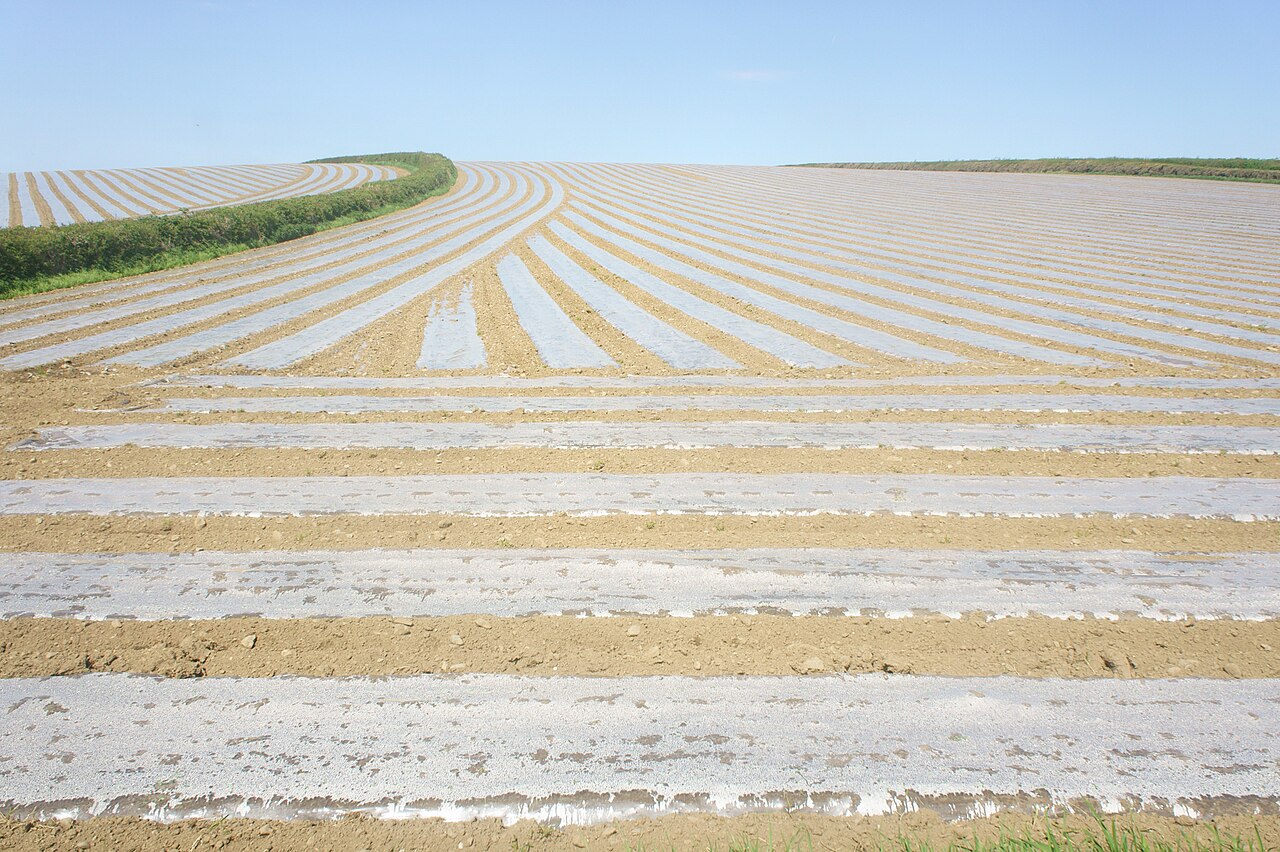
Plastic mulch film is easy to miss because it lies low to the ground. On vegetable and berry farms it can warm soil, suppress weeds, conserve moisture and keep produce cleaner. Those benefits explain why thin polyethylene film spread across fields became a normal part of intensive agriculture. They also explain the waste problem: after harvest, the same film is dirty, stretched, torn and mixed with soil and plant residue.
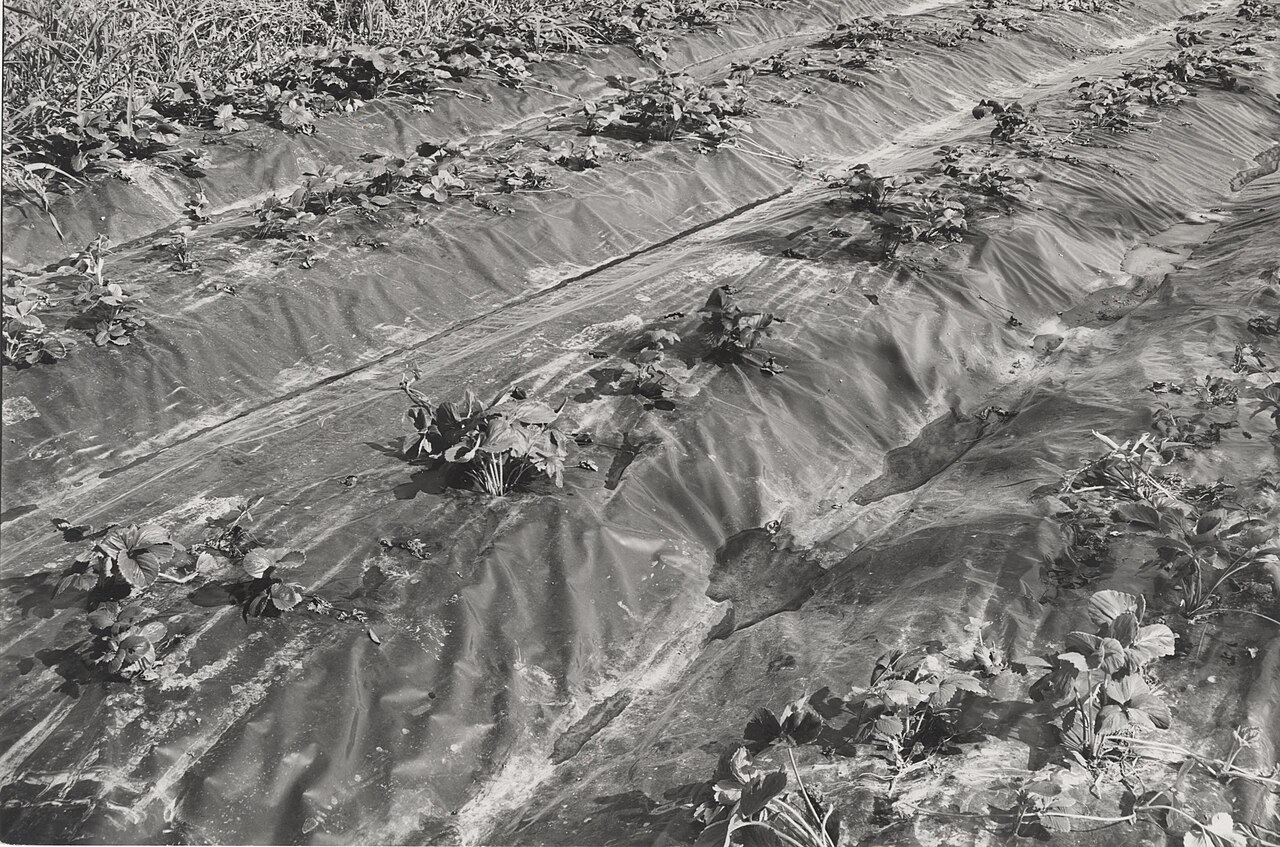
Research from Washington State University, described in Phys.org coverage, frames the issue as a cleaning and materials problem rather than a simple moral failure. U.S. farms use very large amounts of plastic mulch film each year, often described at nearly a billion pounds across agricultural plastics, and much of the used film is landfilled, burned where allowed, stockpiled or handled through uneven local systems. Recycling is possible in principle because many films are polyethylene. In practice, recyclers do not want bales that contain too much soil, water, pesticide residue, stones or plant matter.
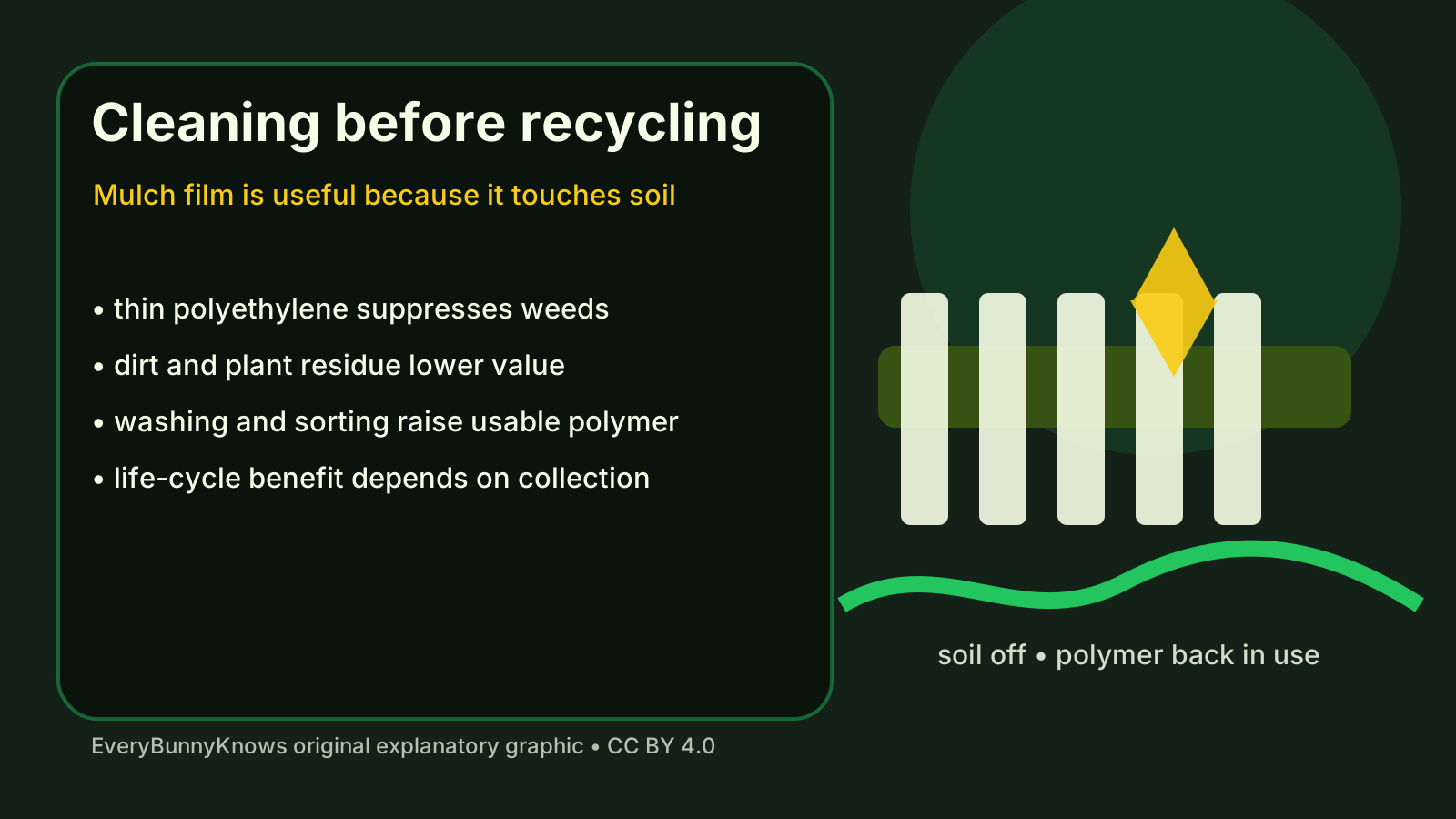
The mechanism is straightforward. A recycling plant needs a predictable input. Dirt adds weight but not usable polymer; wet loads cost more to transport and process; organic residue can rot; and grit damages equipment or lowers the quality of the recycled pellet. If a farm can shake, scrape, dry, roll or wash film before it leaves the field, more of the material may meet a recycler’s specifications. If cleaning consumes too much water, energy, labour or money, the environmental benefit shrinks. The useful question is therefore not “recycle or do not recycle,” but which cleaning steps create the most usable plastic for the least cost and impact.
Geography shapes the answer. A farm near a recycler, with dry weather at harvest and space to store rolls under cover, has different options from a small grower in a wet region far from processing infrastructure. Crops also matter. Films used for strawberries, melons, vegetables or orchards pick up different amounts of soil and plant debris. Local rules matter too: some places restrict open burning or landfill disposal; others lack collection programmes. A recycling solution that works in Washington, California or the Mediterranean may need redesign in a humid region with smaller fields and longer transport distances.
The limits are important. Cleaner recycling does not eliminate the reasons farmers use mulch, nor does it make every plastic application benign. Very thin or biodegradable-labelled films can create separate sorting issues; additives and multilayer materials may reduce recyclability; and plastic fragments left in soil remain a concern. Reuse, thicker recoverable films, paper or organic mulches, precision weed control and biodegradable materials all have roles, but each comes with trade-offs in cost, labour, yield, water and actual breakdown conditions.
The hopeful part is practical. Agricultural plastic waste is not an abstract ocean of litter; it is a stream of material that leaves specific fields at specific times. If researchers can measure contamination, test cleaning systems, compare life-cycle impacts and connect farms with buyers for recycled polymer, more film can become feedstock instead of landfill. That would not make plastic mulch invisible. It would make its full geography visible: the field where it helps a crop, the shed where it is cleaned, the truck route to a processor and the new product that proves less virgin plastic was needed.