Colombian Emeralds in Panama Burials Trace a Pre-Columbian Coastal Network
Scientific tests on five green stones from El Caño and Sitio Conte show they are emeralds from Colombia, carried roughly 435 miles to elite Gran Coclé burials more than a millennium ago.
Leo Sato ·
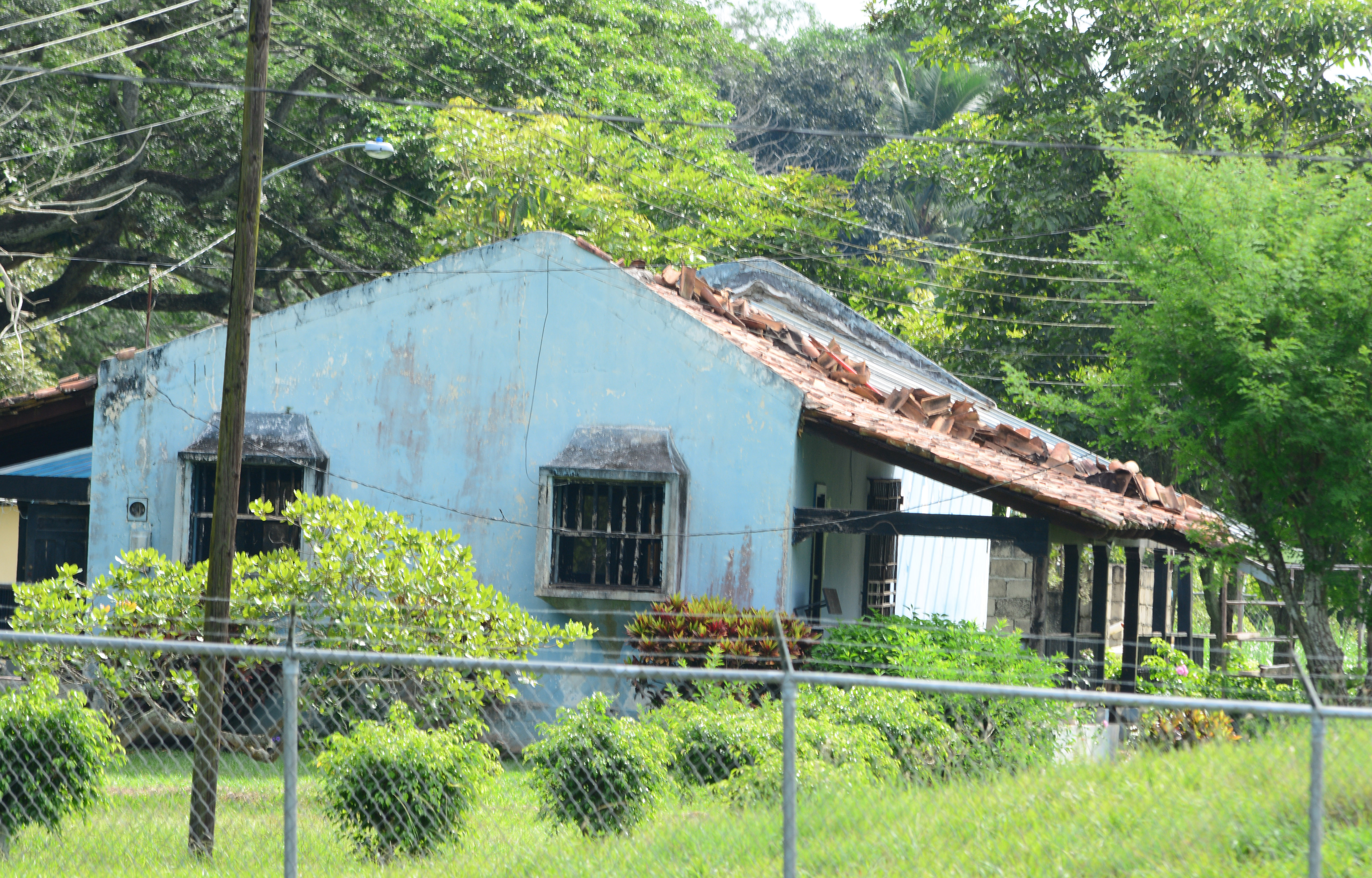
Five small green stones from Panama now carry a much larger map. Tests described by Phys.org and summarized by Archaeology Magazine identified them as emeralds from Colombia, not local curiosities. The stones came from elite burials in the Gran Coclé region at El Caño and Sitio Conte, sites on Panama’s Pacific side whose tombs are dated to about A.D. 800 to 1000 and are known for rich assemblages of gold, pyrite mirrors, ornaments and even fossil megalodon teeth.
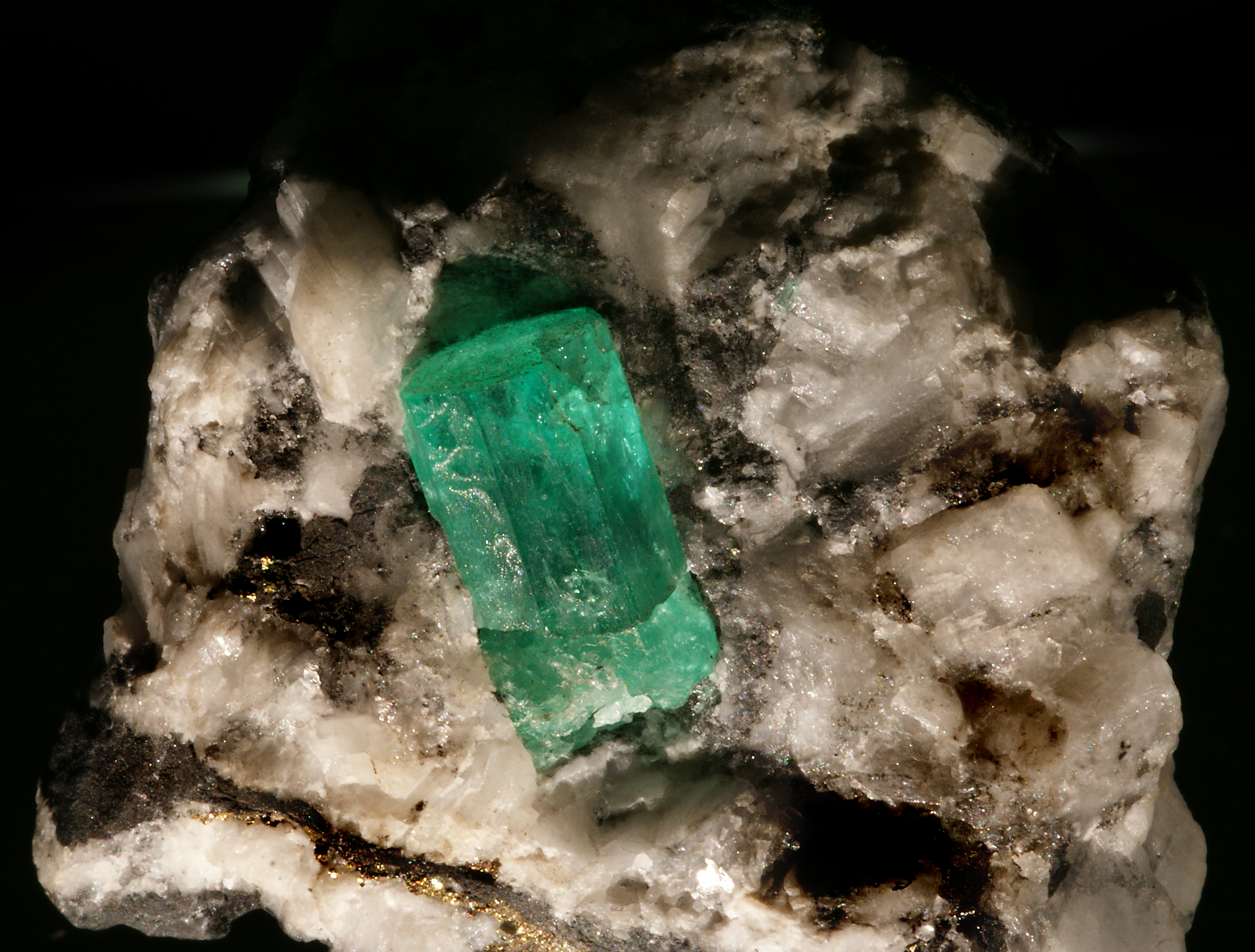
The important point is how the identification was made. Researchers used X-ray fluorescence, infrared spectroscopy and photoluminescence, three methods that read a stone’s chemistry and physical response to light. Emeralds can contain trace elements and growth features linked to the geology of their source. By comparing the five archaeological stones with 22 emeralds from Ecuador and Colombia, the team found the closest match in Colombia’s Western and Eastern Emerald Belts.
That result turns an ornament into evidence for movement. The source regions lie roughly 435 miles south of the Panamanian burials. Carlos Mayo Torné of Fundación El Caño argued that the objects were probably not passed directly from people at the mines to Coclé chiefs. A more likely picture is repeated exchange along coastal and river communities, with stones changing hands, meanings and perhaps owners as they moved north.
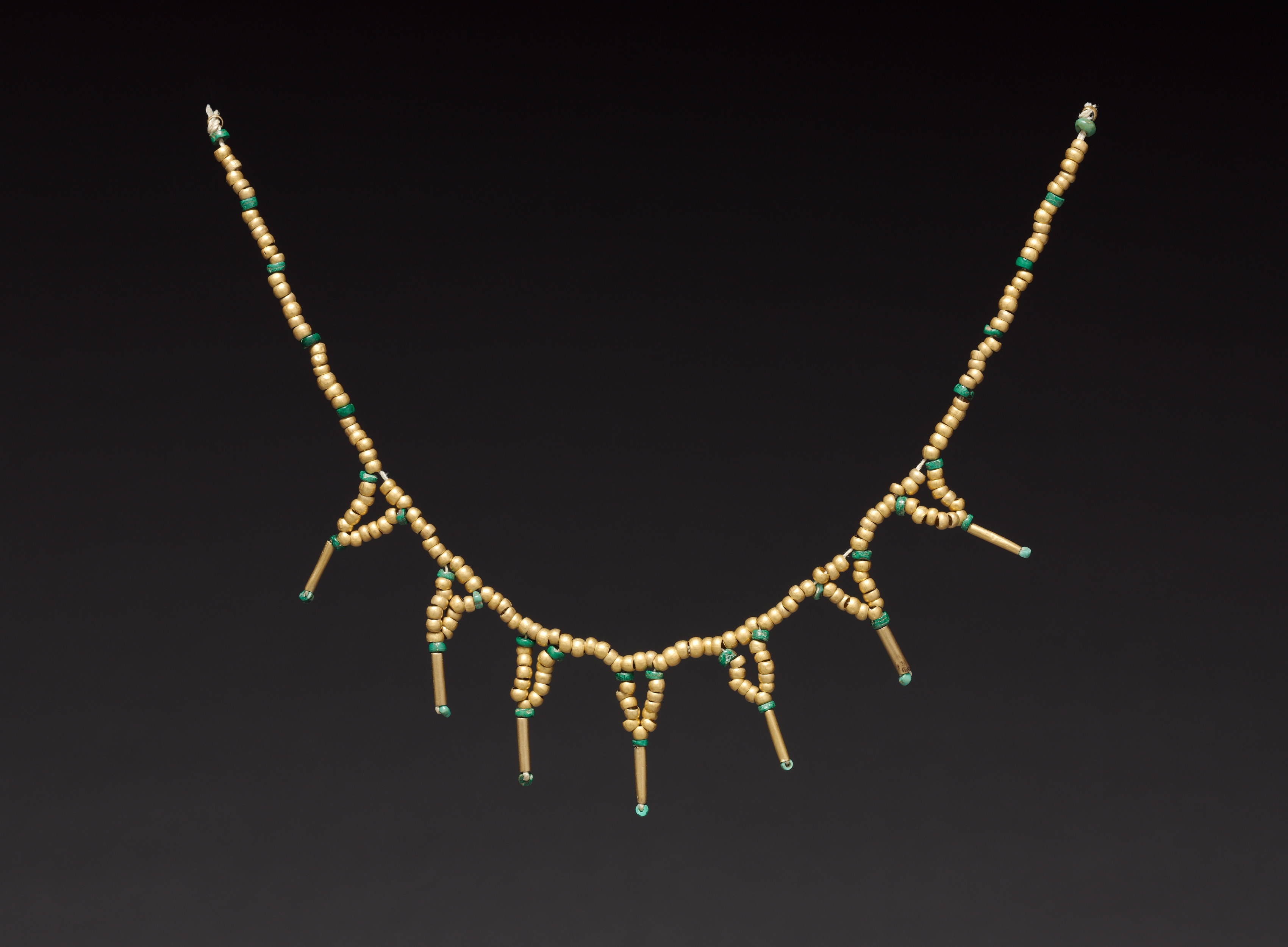
The treatment of the stones adds a human layer. Some appear to have been cut and finished before arriving in Panama; others were drilled, cut, repaired or reworked locally. That means the emeralds were not passive trophies. Artisans and wearers adjusted them to local forms of display, repair and ritual value. A stone could be foreign in geological origin but local in its final social life.
The tomb setting matters too. El Caño and Sitio Conte have long shown that Gran Coclé societies used spectacular objects to mark status, ancestry, ritual role and political relationships. Gold and pyrite catch the eye, but emeralds bring a different kind of evidence because their source can be tested. Chemistry gives archaeologists a way to connect beauty with routes rather than simply admire the object.
There are limits. The analyses point to source belts, not necessarily a named mine or the exact path of one stone. The burials show elite circulation, not ordinary household trade across all of Panama. Still, the finding is hopeful in a precise way: careful, non-destructive testing can make old museum-like treasures answer new historical questions. The green stones show a pre-Columbian world tied together by coastlines, rivers, skilled artisans and objects that kept gaining meaning as they traveled.