Two arthritis medicines lower systemic activity in a small Sjögren’s disease trial
The RepurpSS-I trial at University Medical Center Utrecht tested leflunomide plus hydroxychloroquine for 24 weeks in adults with active primary Sjögren’s disease. The signal is encouraging but still limited by phase, size and specialist safety monitoring.
Ada Brooks ·
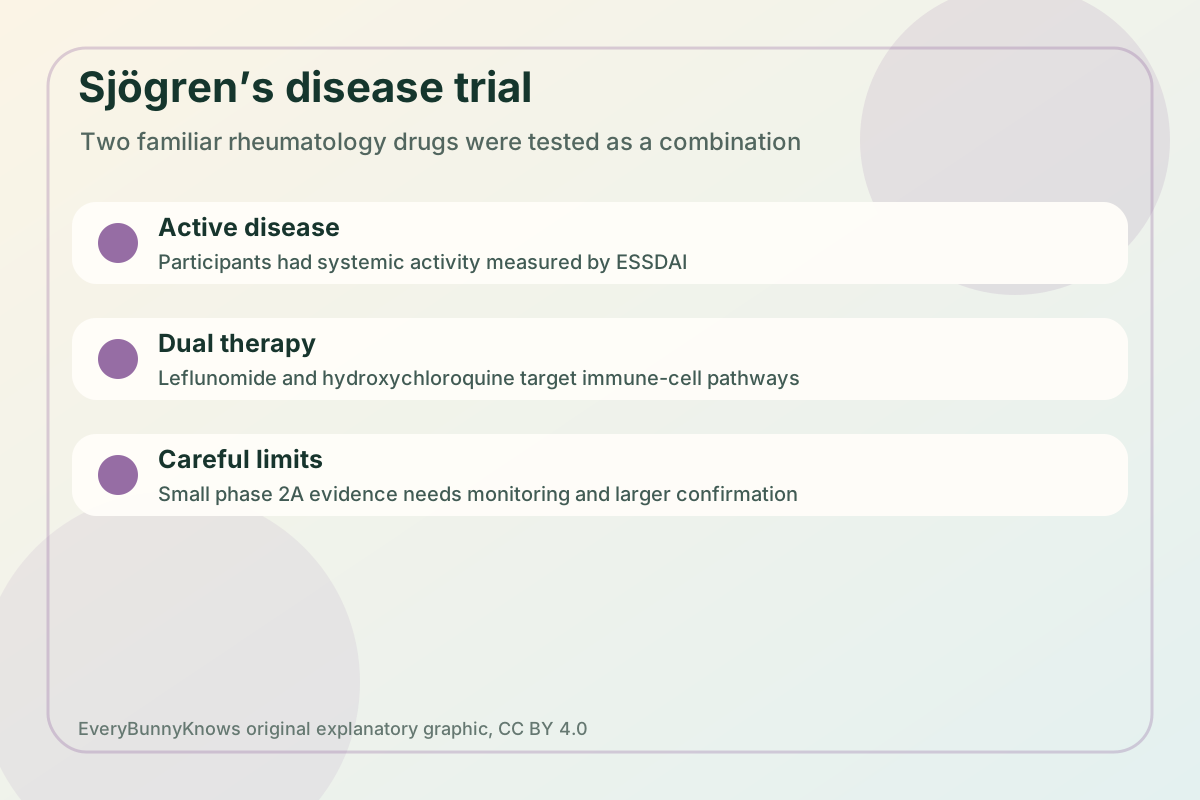
Sjögren’s disease is not only dry eyes and dry mouth. For many people it is a systemic autoimmune illness that can bring fatigue, pain, swollen glands, lung or kidney involvement, nerve symptoms and inflammatory blood markers. That breadth is why a small clinical trial from University Medical Center Utrecht attracted attention: it tested whether two familiar anti-rheumatic medicines, leflunomide and hydroxychloroquine, could reduce systemic disease activity over 24 weeks.
The study behind the headline was RepurpSS-I, a placebo-controlled, double-blind, randomized phase 2A trial published in The Lancet Rheumatology. Adults aged 18 to 75 with primary Sjögren’s syndrome, an EULAR Sjögren’s Syndrome Disease Activity Index score of at least 5 and biopsy evidence of gland inflammation were randomized two-to-one to receive leflunomide 20 mg plus hydroxychloroquine 400 mg daily or placebo. Twenty-nine participants were enrolled; 21 received the combination and eight received placebo. The main question was how much the ESSDAI score changed from baseline to week 24.
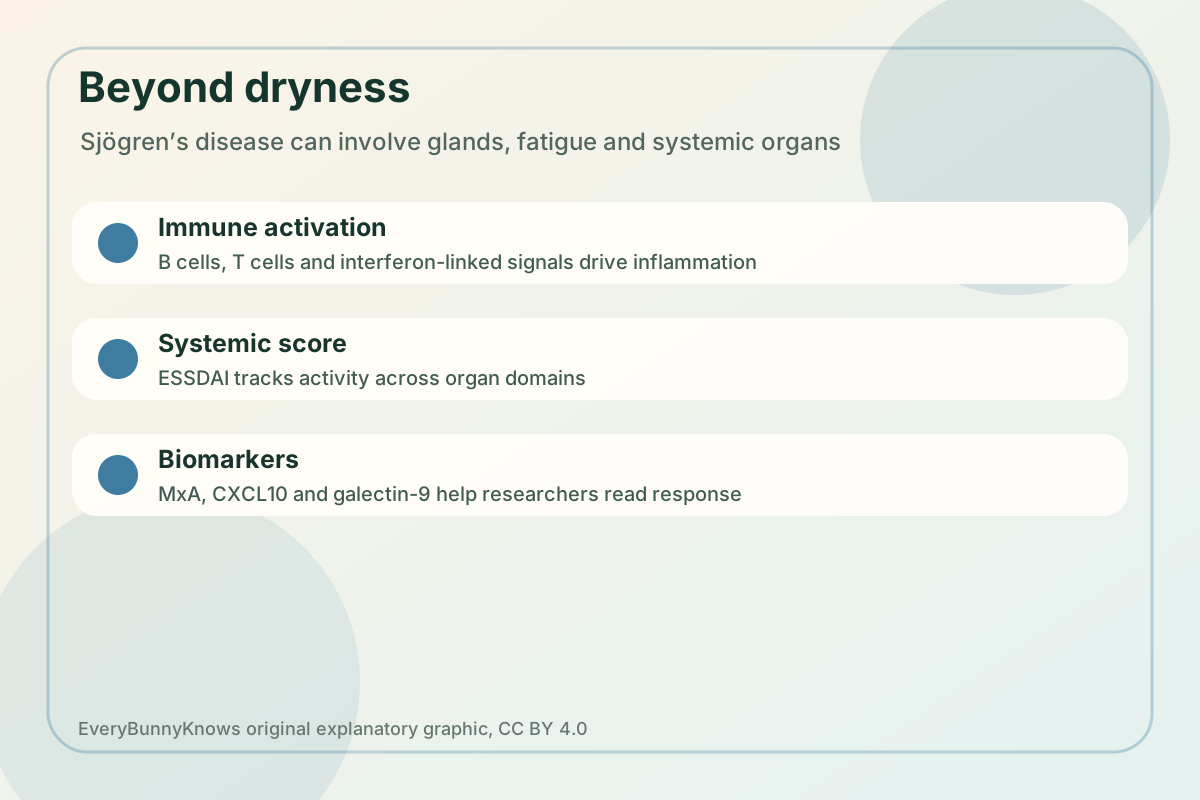
The mechanism is plausible because the two drugs act on different parts of immune activation. Hydroxychloroquine is used in rheumatology partly because it can alter immune signaling inside cells. Leflunomide affects lymphocyte proliferation by interfering with pyrimidine synthesis. Sjögren’s disease involves B-cell hyperactivity, T-cell help and type I interferon-associated pathways, so a combination approach could, in theory, quiet more than one inflammatory signal. Later RepurpSS-I analyses reported that interferon-related markers such as MxA and galectin-9 changed with treatment and might help predict or monitor response.
The clinical signal was measurable. From week 0 to week 24, the adjusted mean difference in ESSDAI change favored leflunomide-hydroxychloroquine by 4.35 points compared with placebo, with a 95 percent confidence interval from 1.25 to 7.45 points in the original report. That is why researchers described the combination as reducing systemic activity. It is also why the result matters for affordability: both drugs are already used in inflammatory arthritis and are not exotic biologics. Repurposing known medicines can sometimes move faster than inventing an entirely new drug class.
The result also shows why Sjögren’s trials are difficult. Symptoms such as fatigue, dryness and pain matter deeply to patients, while systemic activity scores track organ domains and immune inflammation. A useful therapy has to be judged across these different layers rather than by one headline number. The newer biomarker analyses are important because they ask whether a blood signal can identify people whose disease biology matches the treatment, reducing the chance that a mixed trial population hides a real response in a subgroup.
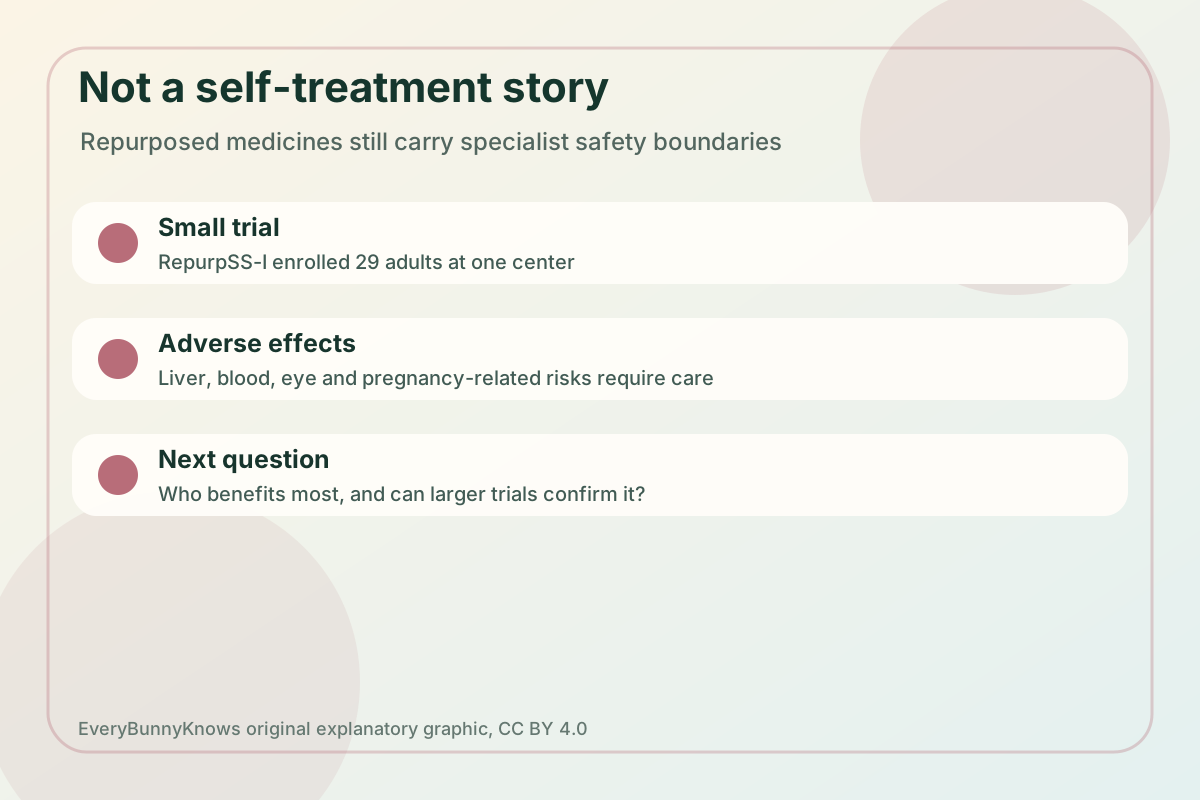
The safety boundary is just as important as the signal. RepurpSS-I was small, single-center and phase 2A; it was designed to detect a treatment signal, not to settle long-term safety or define care for every patient with Sjögren’s disease. Leflunomide can affect the liver, blood counts and pregnancy safety; hydroxychloroquine requires attention to dosing and retinal toxicity. Neither drug should be started, stopped or combined because of an article. The hopeful part is narrower and more useful: systemic Sjögren’s disease may be more biologically tractable when trials match immune mechanisms, clinical scores and biomarkers, and the next step is larger, careful confirmation in the patients most likely to benefit.