For adults with type 2 diabetes not using insulin, CGM can make glucose patterns visible
A 2026 diabetes-meeting report added to evidence that continuous glucose monitoring can lower HbA1c in adults with type 2 diabetes who are not using insulin. The value is feedback for care decisions, not permission to self-adjust treatment without clinicians.
Tomáš Hare ·
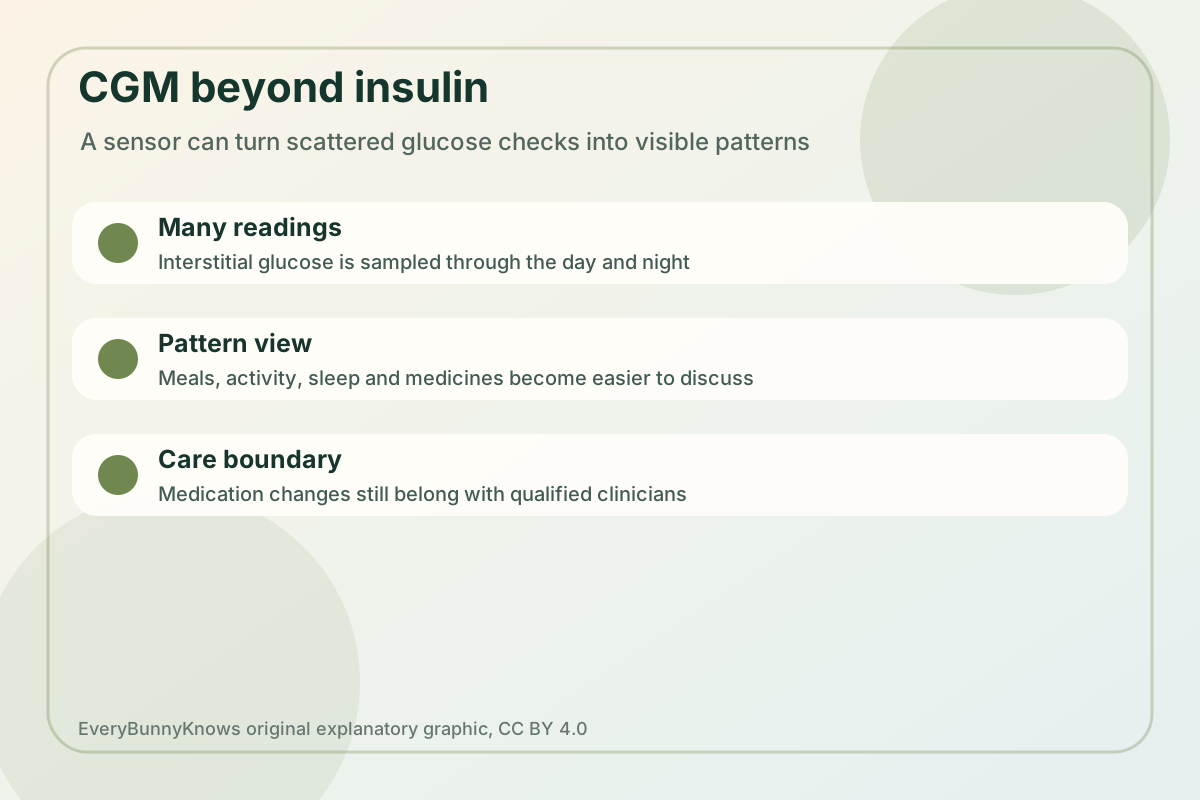
HbA1c is a powerful number, but it is still an average. It cannot show whether glucose rises every evening, drops during long walks, spikes after a familiar breakfast or improves on days with better sleep. Continuous glucose monitoring, or CGM, adds that missing time dimension. A study reported at the American Diabetes Association’s 2026 Scientific Sessions added to evidence that CGM can lower HbA1c in adults with type 2 diabetes who are not using insulin, a group that has often had less access to sensor technology.
CGM changes the question from a single average to a daily pattern. A small sensor worn on the skin estimates glucose in interstitial fluid every few minutes and sends values to a reader or phone. Instead of isolated finger-stick checks or a laboratory result every few months, people and clinicians can see time in range, overnight trends, post-meal rises and the effect of activity or missed medicines. For type 2 diabetes not treated with insulin, that information may still matter because food choices, physical activity, stress, sleep and non-insulin medicines all shape glucose exposure.
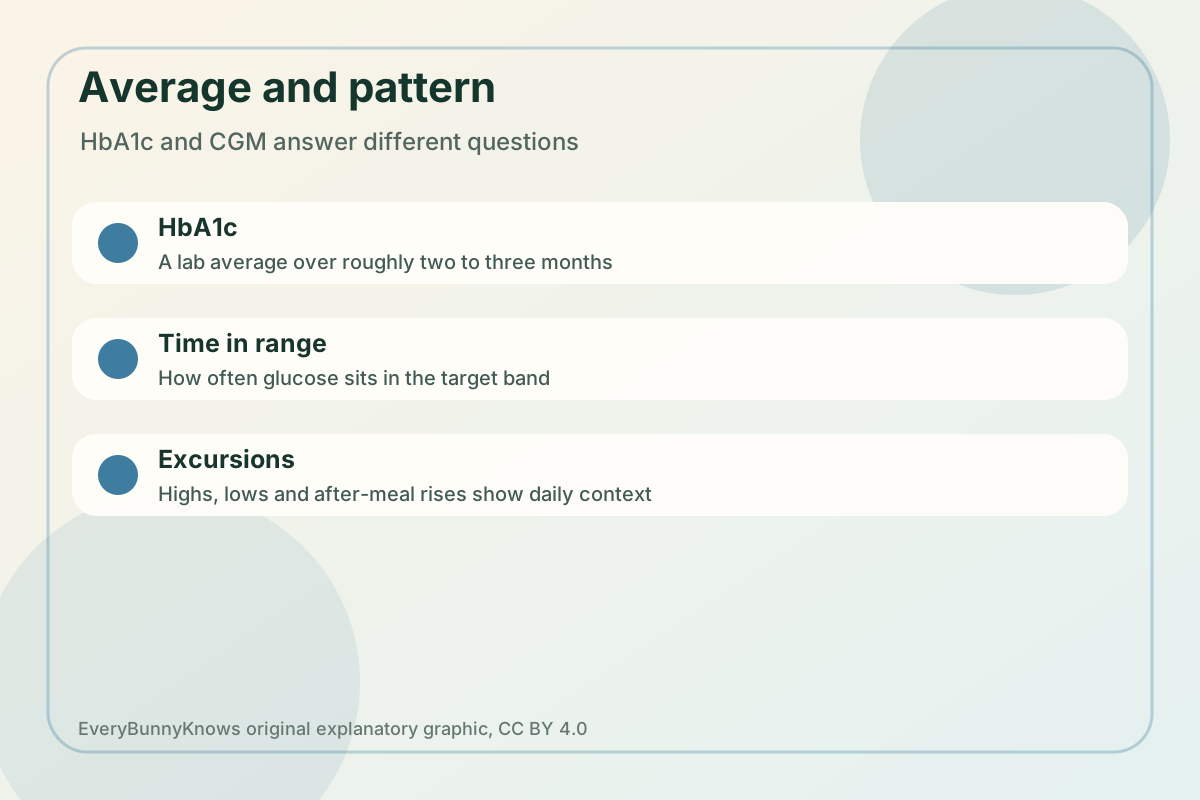
The biological and behavioral mechanism is feedback. HbA1c reflects how much glucose has attached to hemoglobin in red blood cells over roughly two to three months. It is useful for risk tracking, but it compresses very different days into one value. CGM can make cause and effect easier to test with a care team: whether an evening walk blunts a post-dinner rise, whether a medication schedule is leaving morning glucose high, or whether a diet plan that looks good on paper is producing repeated excursions. Seeing patterns can support medication intensification, nutrition counseling or activity changes without pretending that diabetes is solved by willpower.
The encouraging report fits a broader shift in diabetes technology. Professional societies now discuss CGM not only for intensive insulin therapy but also for selected people with type 2 diabetes when data can guide safer decisions. Recent research has tried to define interpretable glycemic profiles, pair CGM with digital self-management education, and test pharmacy or primary-care models. The key is not the gadget alone; it is whether the readings lead to understandable, humane and actionable care.
That distinction matters because data can help or overwhelm. A helpful CGM program explains which patterns deserve attention, which short spikes are ordinary physiology, and when a reading should be confirmed another way. It also recognizes that food, medication timing, illness, shift work, menopause, stress and poverty can all shape glucose. The best use of sensors is therefore collaborative: people bring lived context, clinicians bring risk assessment, and the graph becomes a shared map rather than a scorecard.
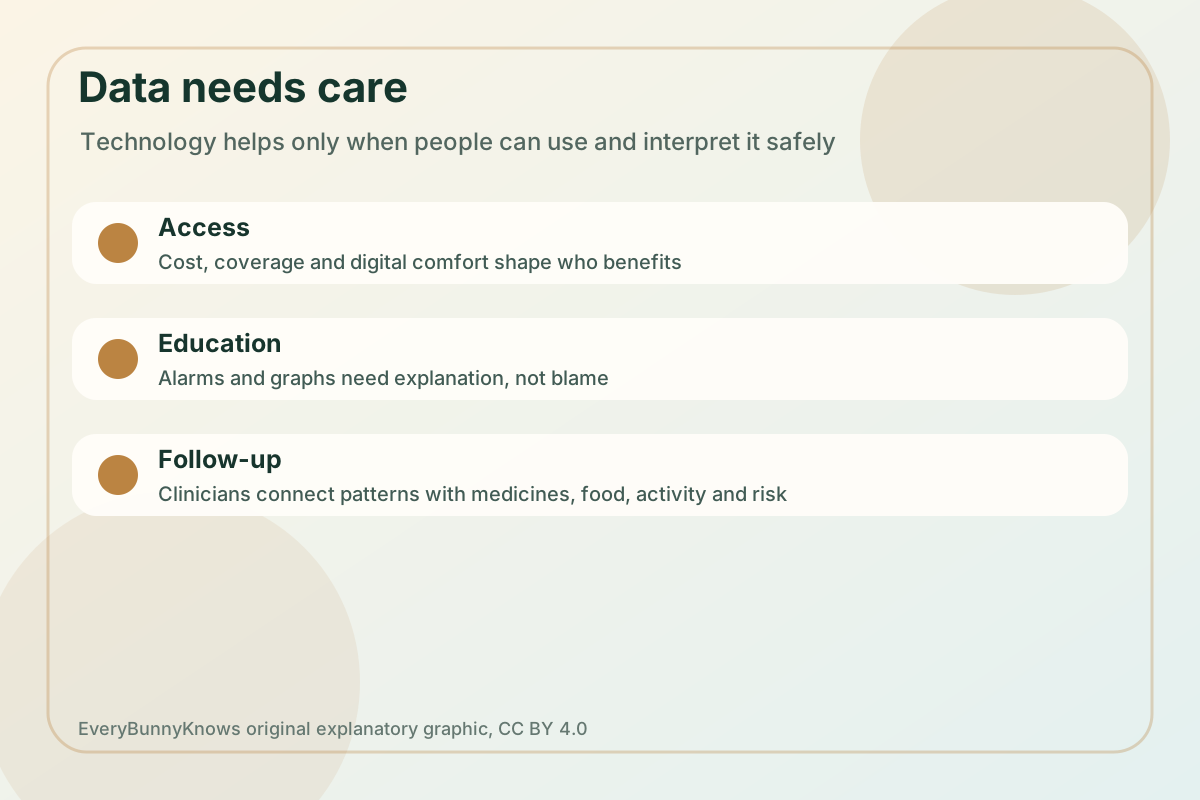
The boundary is clear. This article is not advice to buy a sensor, change medicines or ignore symptoms. CGM readings can lag behind blood glucose, sensors can fail, alarms can create anxiety, and access is shaped by insurance, cost, disability, language and digital confidence. Adults not using insulin may have different risks from insulin users, especially around hypoglycemia, but they still need individualized care for blood pressure, cholesterol, kidney health, eye exams and medication choices. The hopeful lesson is that more frequent information can make type 2 diabetes less opaque: when a sensor is used with education and clinical follow-up, HbA1c can become the start of a conversation rather than the whole story.