Crete Is Four Countries
To call the island Crete is to miss the point. It is a mosaic of four distinct worlds, each with its own landscape, history, and temperament.
Emma Rybar ·
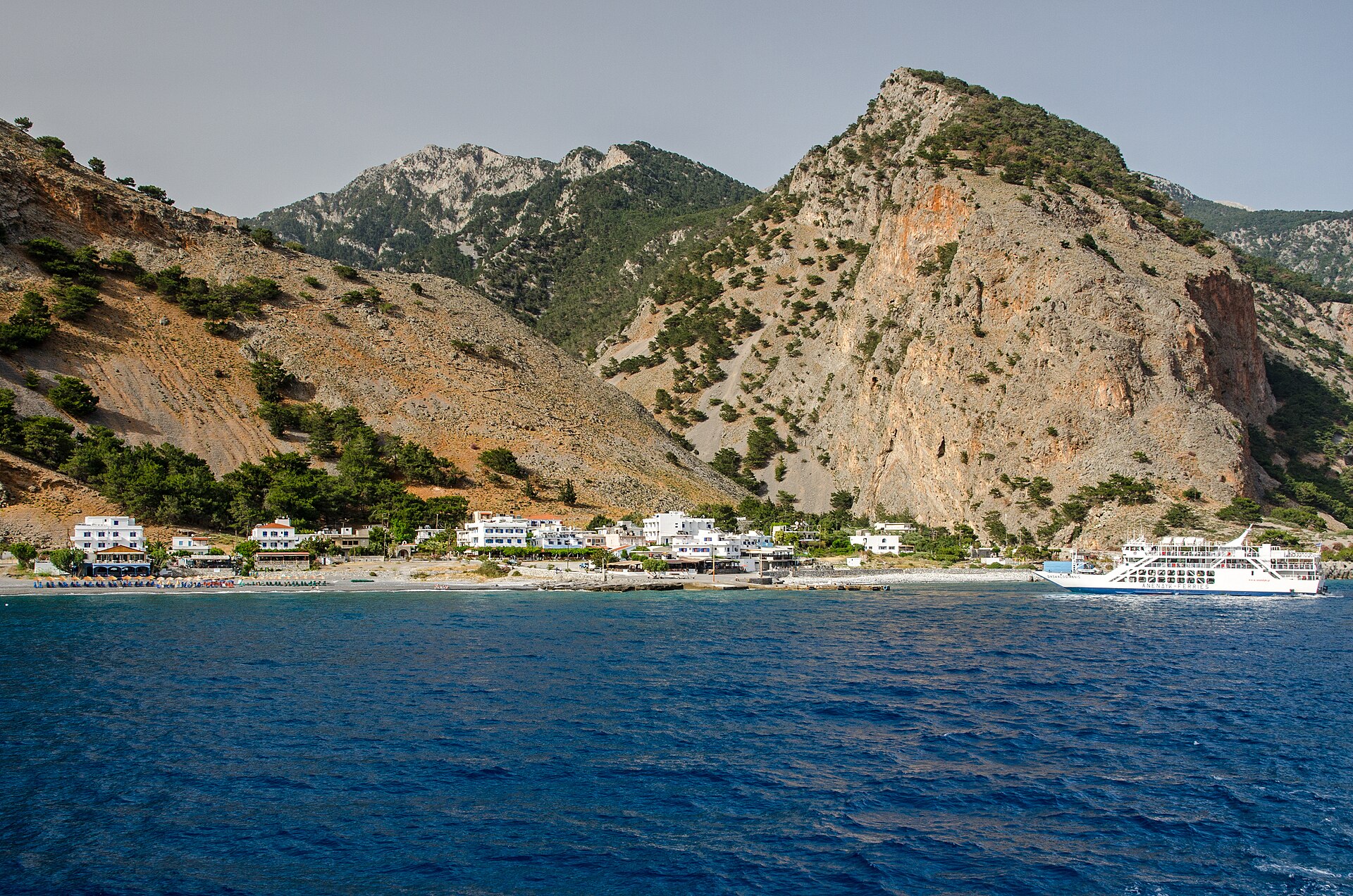
The road unfurls like a ribbon of hot asphalt between the sea and the mountains. To the north, the Aegean is a sheet of hammered blue metal under the sun. To the south, the scrub-covered hills bake in the heat, smelling of thyme and dust. We are driving west from Heraklion, and with every kilometre, the feeling of the place is changing. The map in the passenger seat shows one contiguous island, a single name: Crete. But the map is a convenient fiction. Crete is not one place. It is at least four.
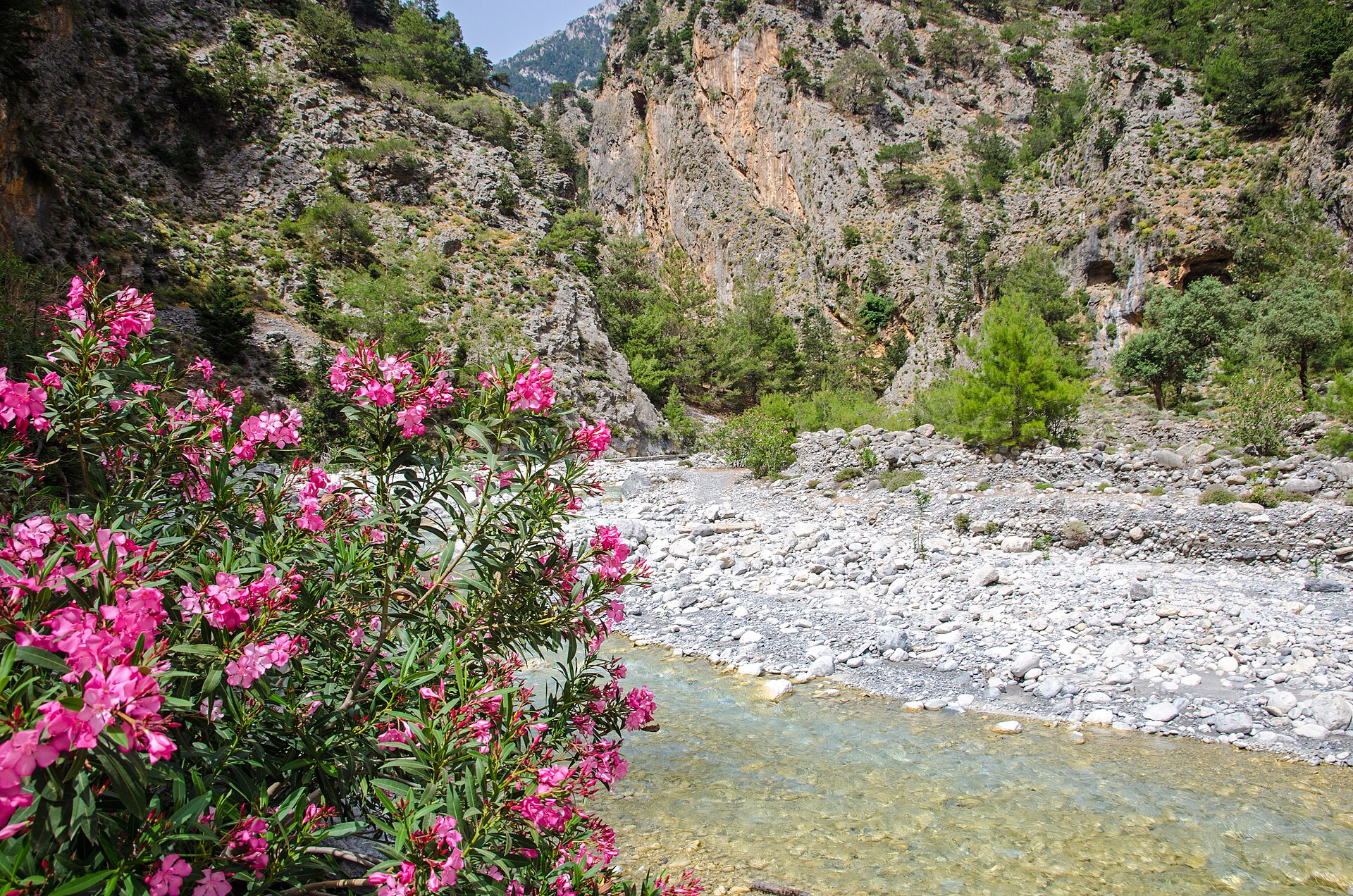 The far west, Chania, is the Crete of postcards, but the images do not do justice to the reality. The Venetian harbour of Chania town is less a place than a mood, especially at dusk, when the sinking sun catches the pastel facades of the townhouses and the old lighthouse blinks into service. The air is still warm, thick with the scent of night-blooming jasmine and grilled octopus. You can walk for hours through the labyrinth of back alleys, the worn stones cool under your feet, and feel the centuries layered on top of each other: Venetian arches, Ottoman balconies, the quiet courtyards of modern homes. Beyond the city, the land rises sharply into the Lefka Ori, the White Mountains, a formidable spine of rock that holds snow deep into the spring. These mountains are the source of Chania’s character. They created the Samaria Gorge, a sixteen-kilometre trek through a world of vertical rock walls and ancient cypress trees, a pilgrimage that ends with wobbling legs and dusty boots on the black sand shores of the Libyan Sea. This is a landscape that feels elemental, a place of severe beauty that has shaped its people to be just as proud and resilient. Driving east, you enter the territory of Rethymno, a region that is a bridge between the elegance of Chania and the bustle of Heraklion. The old town of Rethymno itself is a jewel, its own Venetian port and imposing Fortezza quieter, perhaps more lived-in, than its western counterpart. The ghosts of history are gentler here. You can find yourself lost in a tangle of streets, only to emerge before a fountain or a minaret, a quiet reminder of a past that is never truly past. But to understand Rethymno, you must leave the coast and drive south into the hills. In the mountain villages south of Rethymno, you feel the island’s tough, unyielding heart. This is the land of shepherds and rebels, where the traditions of hospitality are as strong as the local raki. In a small taverna in a place like Anogeia, high on the slopes of Mount Psiloritis, the sound of the Cretan lyra can cut through the evening air, a mournful, defiant sound that tells stories of occupation, resistance, and an unbreakable connection to the land.
 Further east still, and you arrive in Heraklion, the island’s administrative and commercial hub. The contrast is immediate. This is a working city, loud and sometimes chaotic, where the ancient walls struggle to contain the modern pulse of traffic and commerce. The beauty here is less immediately apparent, found not in Venetian grace but in the vibrant energy of the central market, a riot of colour and sound where vendors sell everything from local cheeses and honey to glistening fish caught that morning. And then there is Knossos. Just a few kilometres from the city’s concrete sprawl lies the heart of the Minoan civilization, a place that pulls you back four millennia. To walk through the reconstructed palace, with its deep red columns and iconic bull-frescoes, is to feel the immense weight of deep time. You stand in a throne room where a king sat four thousand years ago, and the barrier between myth and history feels impossibly thin. The stories of the Minotaur and the Labyrinth are not just tales here; they are embedded in the sun-baked earth. Finally, there is the far east, Lasithi, a world away from the rest. This is the quietest, slowest, and most starkly beautiful part of Crete. The journey itself is a transformation, as the landscape becomes more arid, the mountains more barren. The centrepiece is the Lasithi Plateau, a vast, fertile plain ringed by mountains, once famous for its thousands of white-sailed windmills used to irrigate the land. Though most are now still, they remain as silent monuments to a different way of life. The coastal town of Agios Nikolaos, built around a supposedly bottomless saltwater lake, has a relaxed, unhurried charm. To the east, you find the palm forest of Vai, a Caribbean-like anomaly in the Aegean, and the quiet beaches that dot the coast. Lasithi feels like a secret, a place where the primary sensations are the wind, the sun, and the immense, silent expanse of the land and sea. To travel through these four regions is to understand that Crete is an island of paradoxes. It is a place of gentle harbours and impassable gorges, of bustling cities and silent plateaus, of modern resorts and ruins that predate Western civilization. It is not one country but a federation of landscapes and temperaments, bound together by a shared history of defiance and a powerful, almost mystical sense of identity. The map gives it a single name, but the journey reveals its four souls.