What a cryoprobe changes in a lung biopsy study
A JAMA-reported comparison found higher diagnostic yield for transbronchial lung biopsy with a cryoprobe than with forceps. The result matters for bronchoscopic teams, but it is a diagnostic-study finding, not a patient choice or treatment claim.
Mira Vale ·
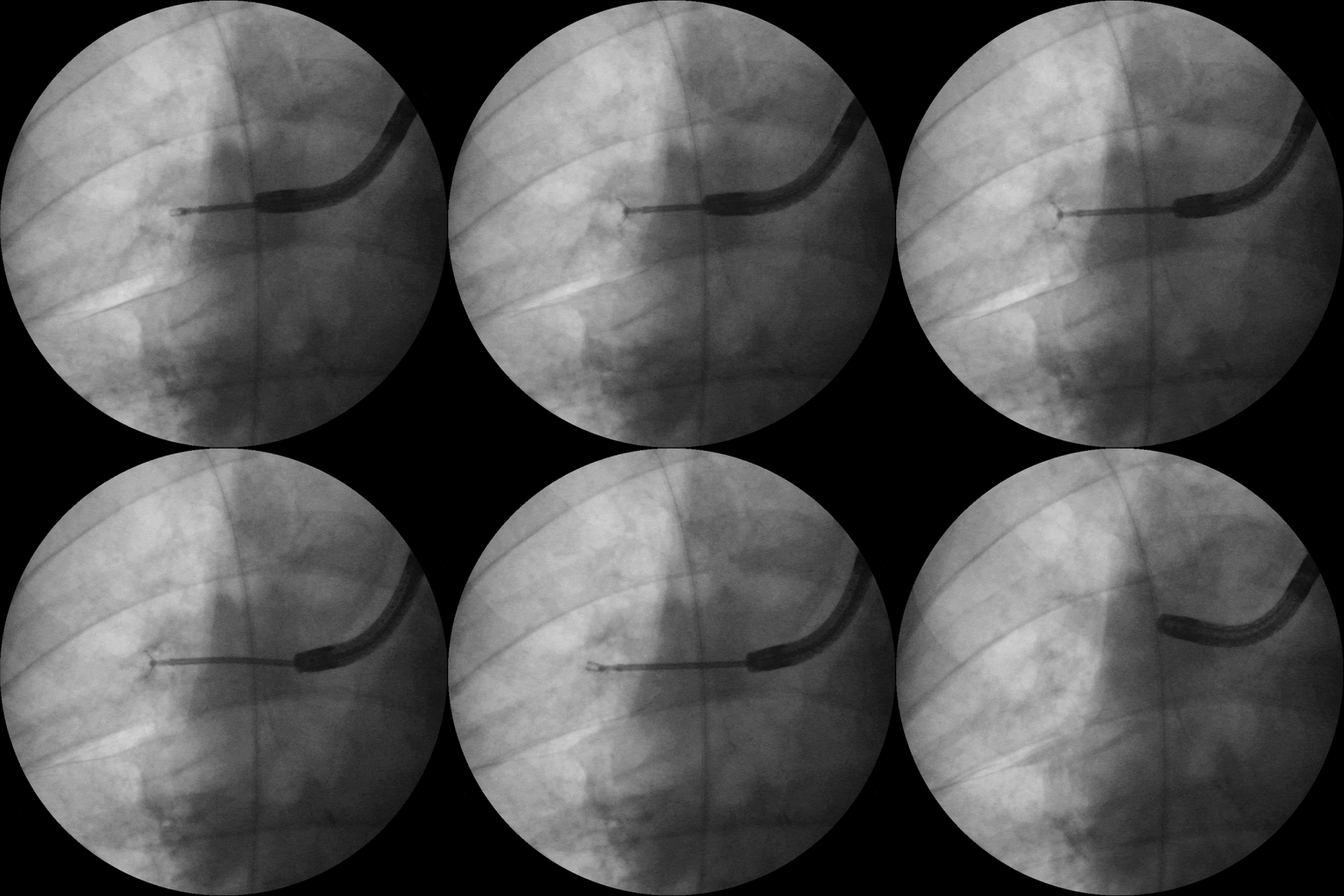
A lung biopsy is valuable only if it brings back tissue that can answer the question the clinical team is asking. In a 2026 report of a JAMA study, transbronchial lung biopsy using a cryoprobe had a diagnostic yield almost ten percentage points higher than biopsy with conventional forceps across patients being evaluated for lung nodules or masses, recent lung transplant questions and diffuse parenchymal lung disease. That sounds like a small instrument story, but in diagnosis small instruments can change whether a sample is useful.
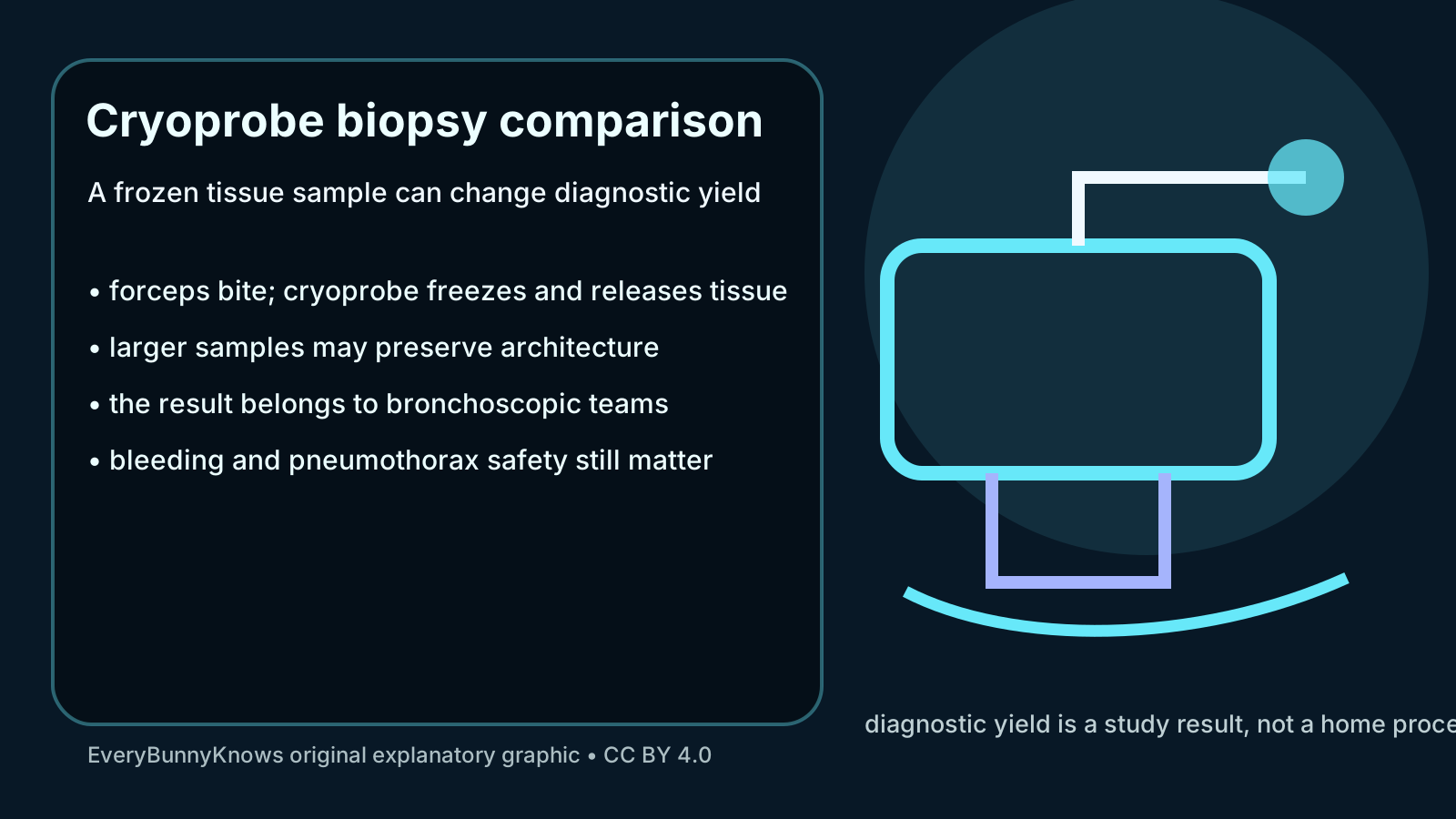
The mechanism is straightforward. Forceps take a bite of tissue. A cryoprobe is advanced through a bronchoscope, cooled at the tip and used to freeze tissue onto the probe before it is withdrawn. That can produce a larger or less crushed sample, preserving more architecture for the pathologist. In diseases where the pattern of inflammation, fibrosis, rejection or tumor matters, architecture can be as important as individual cells. The result is not that cold is therapeutic; it is that freezing can be a sampling method.
The study’s practical value lies in diagnostic yield, not in a promise that every patient should have the newer tool. A higher yield means a greater proportion of procedures produced tissue that supported a diagnosis. That can reduce uncertainty, avoid repeat procedures in some settings or help a multidisciplinary team choose the next step. But yield is not the only outcome. Procedure time, bleeding, pneumothorax, sedation, equipment, operator experience, pathology workflow and patient selection all determine whether a method belongs in a particular service.
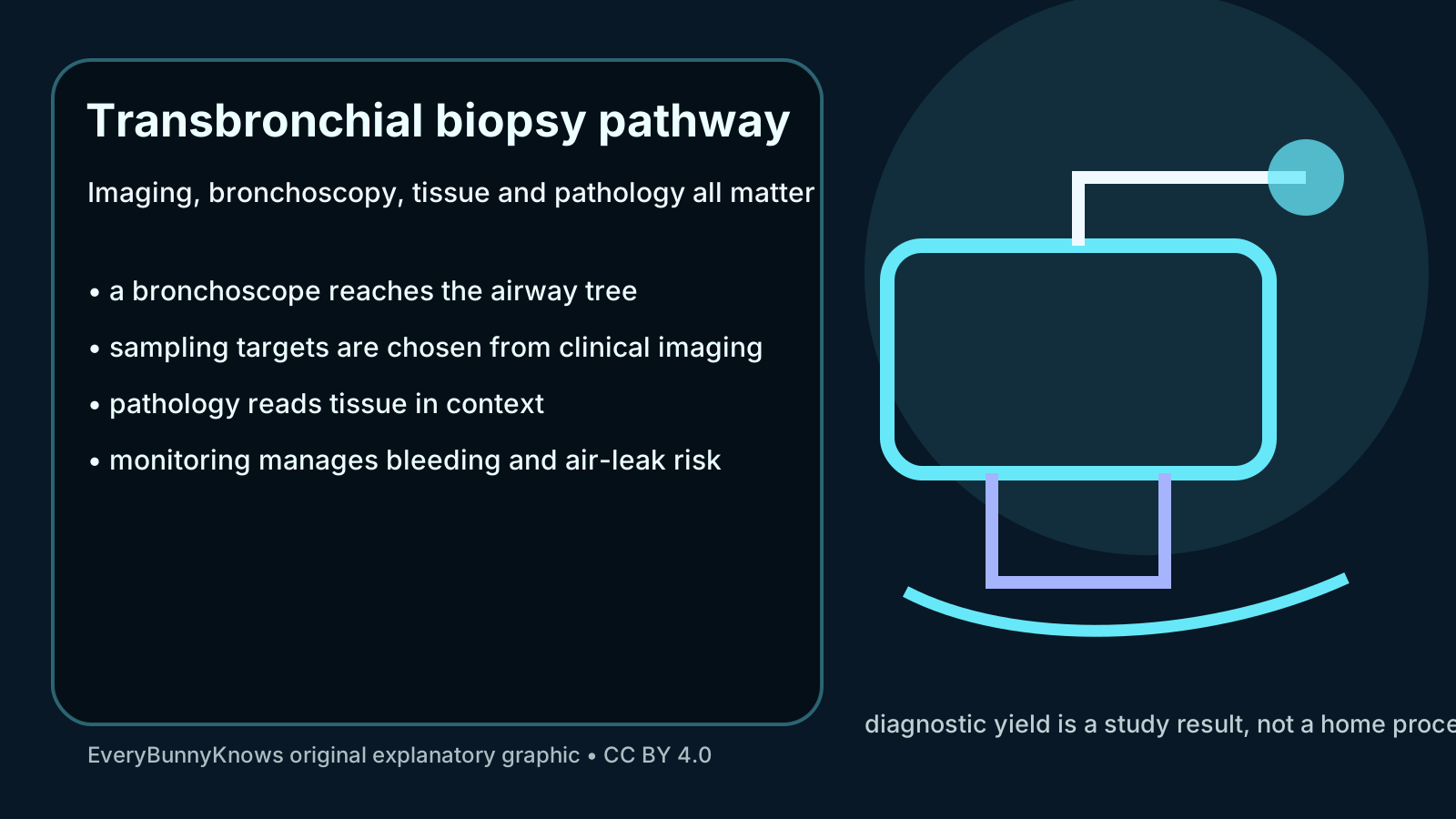
The limits are especially important because lung biopsy is not a consumer technology. The patients in such studies are selected, the procedures are performed by trained bronchoscopic teams and the samples are interpreted with imaging, clinical history and pathology together. A person with a lung nodule, transplant concern or suspected interstitial lung disease cannot infer from a headline which biopsy method is appropriate. Sometimes imaging follow-up, needle biopsy, surgical biopsy, bronchoalveolar lavage, molecular testing or no biopsy at that moment may be the safer decision.
Safety remains part of the evidence. Cryobiopsy has drawn interest because it may obtain better tissue than forceps in some diffuse lung diseases, but larger samples can also raise concern about bleeding and air leak. Modern protocols use planning, fluoroscopy or other localization, airway control, bleeding precautions and post-procedure monitoring. The nearly ten-point accuracy gain is meaningful only if complications, training demands and local expertise are weighed honestly.
The hopeful conclusion is therefore clinical rather than flashy. Better diagnostic tools can help teams reach a clearer answer with fewer ambiguous samples, and clearer answers matter when treatment decisions are difficult. The next questions are not whether cryoprobes are “better” in the abstract, but which patients benefit, which settings can use them safely, how complications compare and whether improved yield changes outcomes that patients feel. Until those answers are local and specific, the cryoprobe belongs where the study placed it: in expert hands, as part of careful diagnostic review, follow-up and safety reporting.