DNA Traces the First Routes Toward Australia Through Island Southeast Asia
Mitochondrial and genome studies cannot draw one exact migration path, but they show why the first movement toward Sahul about 60,000 years ago must be understood through island chains, sea crossings and long Indigenous continuity.
Leo Sato ·
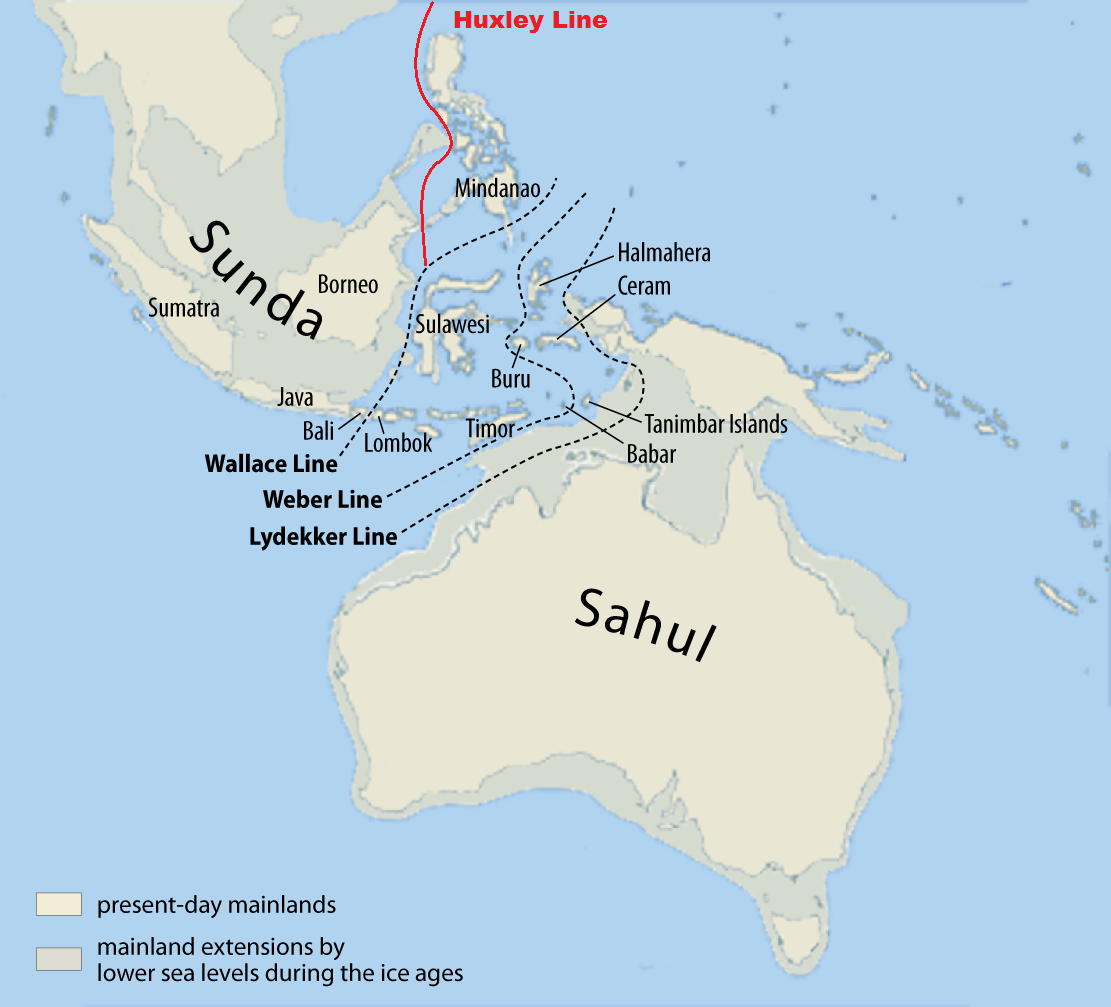
A DNA study about the first routes to Australia is easy to misunderstand if it is treated like a modern road map. No genetic analysis can point to a single beach where the first boats landed, and no living person’s DNA is a fossil from 60,000 years ago. What genetics can do is narrower and more useful: it can compare inherited lineages, estimate deep separations and test whether a proposed migration fits the geography and archaeology of Sahul.
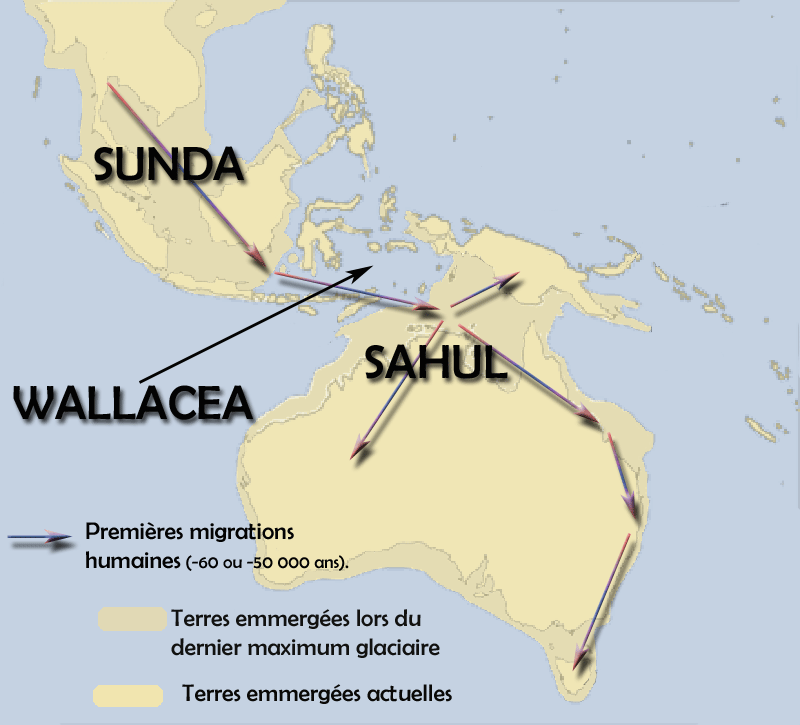
The key landscape is the chain between Sunda and Sahul. Sunda was the ice-age extension of Southeast Asia; Sahul was the joined landmass of Australia, New Guinea and Tasmania. Wallacea lay between them, a region of islands divided by deep water. Even when sea levels fell, those channels did not become dry plains. That means the first movement toward Australia required navigation, coastal knowledge and repeated decisions about when and where to cross.
Mitochondrial DNA, inherited through maternal lines, has been especially useful for asking questions about deep ancestry and regional continuity. Studies of Aboriginal Australian mitogenomes have suggested long-term local histories after the initial settlement, while whole-genome studies show that Aboriginal Australian and Papuan histories diverged deeply from other non-African populations. These findings do not produce one neat arrow on a map. They show that the peopling of Sahul was early, complex and followed by tens of thousands of years of regional history.
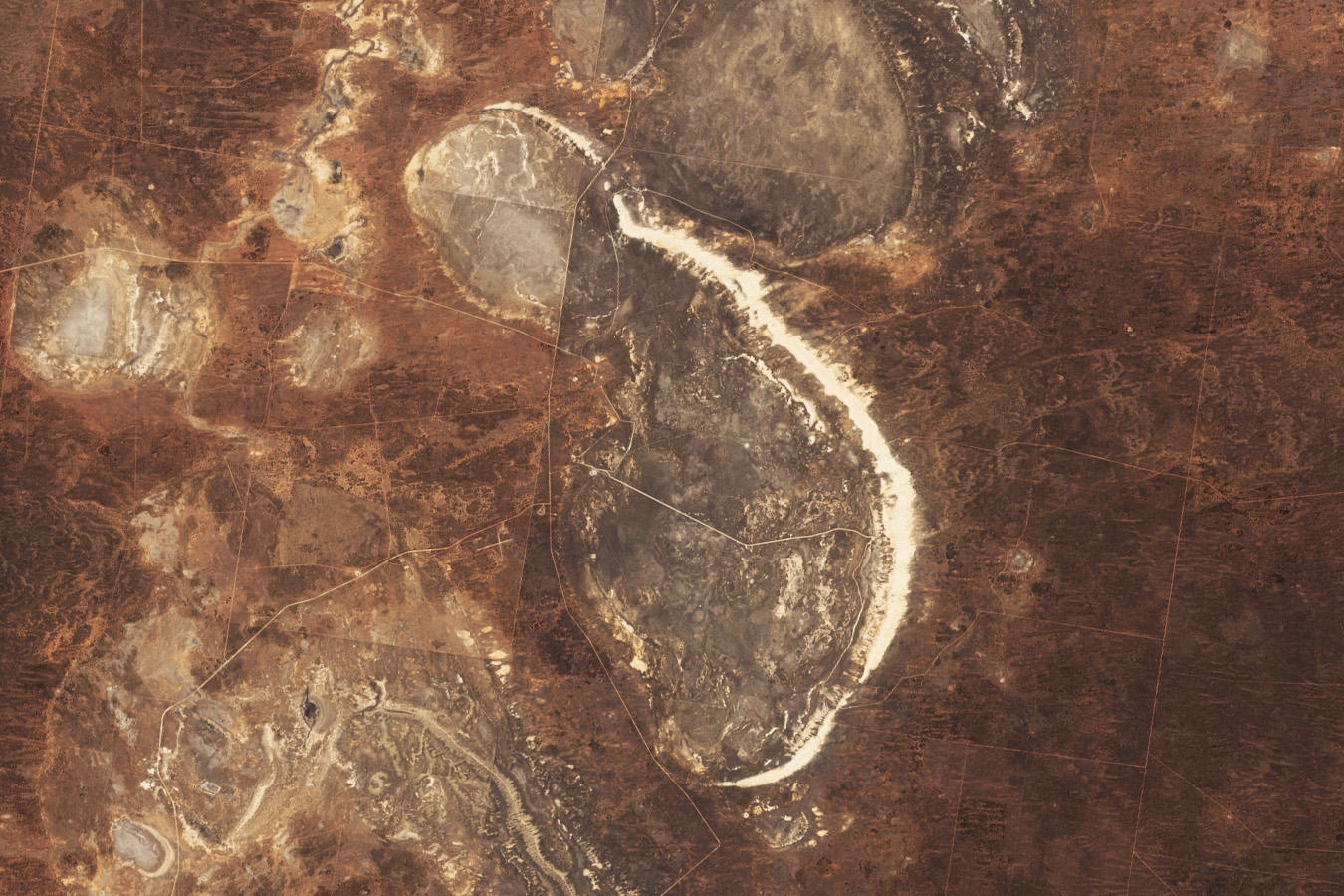
Archaeology keeps the genetic story honest. Madjedbebe in northern Australia is central because published work has argued for human activity there by about 65,000 years ago. The Willandra Lakes, including Lake Mungo, show that people later occupied and understood very different inland environments. Stone tools, pigments, hearths, sediments and burial contexts are not the same evidence as DNA, but together they make a stronger case than either line could make alone.
The route question remains open because several paths could have worked. People may have moved through northern island chains toward New Guinea, through southern islands toward Timor and the northwest shelf, or by routes that shifted with climate, coastlines and opportunity. Later sea-level rise drowned many Pleistocene shorelines, so the places most likely to preserve camps or landings may now lie under water. That absence is not a failure of the evidence; it is part of the problem researchers must solve.
The limits matter. Genetic dates are model-based, not calendar labels carved into a rock. They can change as samples, methods and mutation-rate assumptions improve. Ethical limits matter too: research involving Indigenous ancestry must be done with consent, collaboration and respect for community knowledge, not as an extractive search for spectacular headlines.
Seen carefully, the DNA evidence makes the story larger rather than simpler. The first routes to Australia were probably not a single heroic crossing but a learned seascape of islands, reefs, smoke, stars, food sources and memory. That is a more demanding image, and a more human one. It shows early Homo sapiens not merely spreading across land, but reading water and turning island worlds into pathways.
The next progress will likely come from combining better coastal archaeology, underwater survey, ancient environmental reconstruction and community-led genetic research. Each method has limits, but together they can turn a blurred migration arrow into a richer history of movement, settlement and belonging.