East Bali Beyond the Resorts: Amed Reefs, Sidemen Rice Valleys and Warung Tables
East Bali slows the island down: black-sand fishing beaches at Amed, Mount Agung on the horizon, Sidemen’s rice valleys and small warungs make a route where landscape and daily food explain each other.
Marco Linden ·
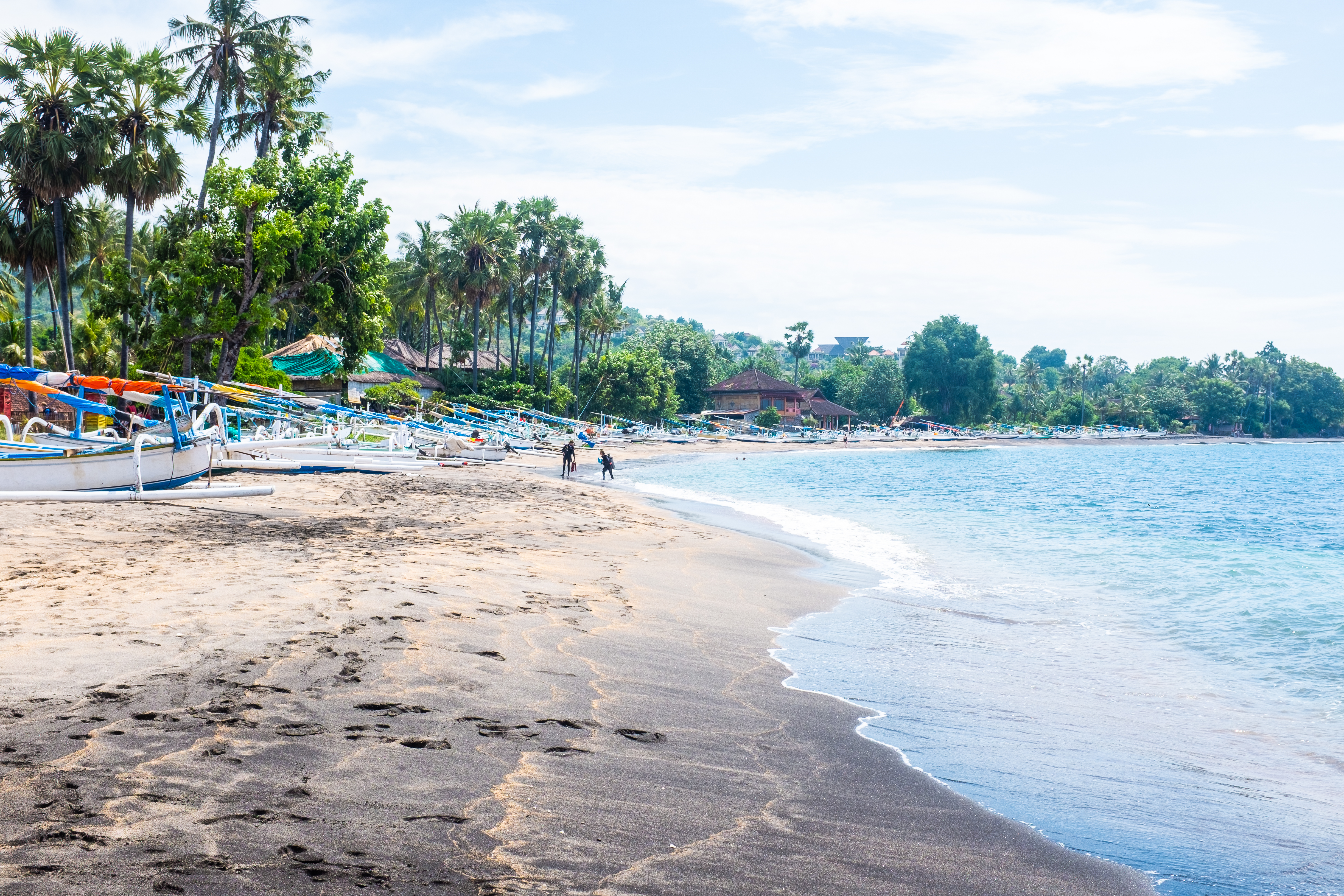
East Bali changes the scale of a Bali trip. Around Amed, on the island’s northeastern coast in Karangasem, fishing boats rest on dark volcanic beaches and Mount Agung often appears behind the headlands. Inland, Sidemen opens into rice valleys where water, terraces and village roads make the landscape feel slower than the hotel belts of the south.
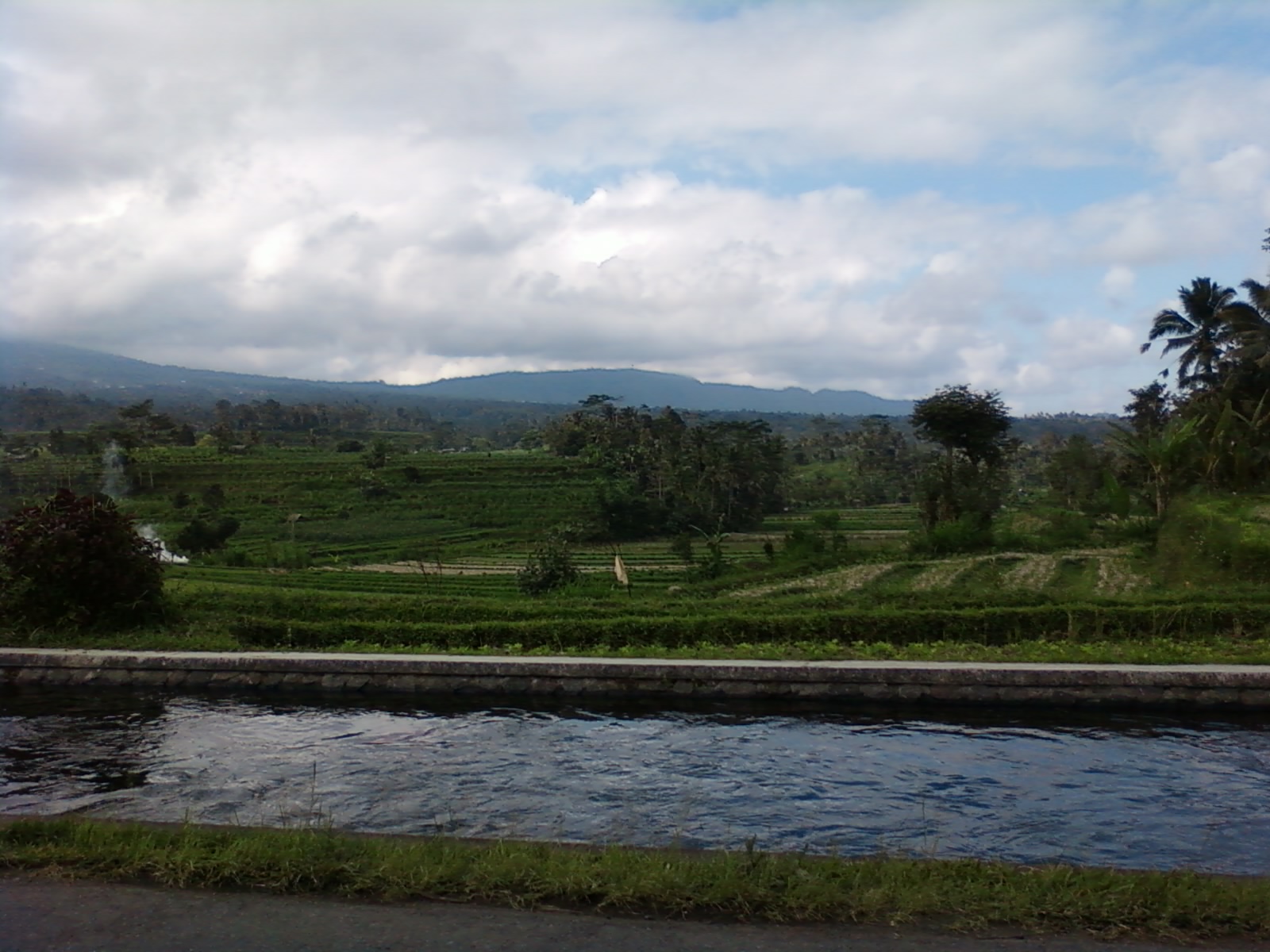
The useful mechanism here is water. At the coast it is immediate: calm mornings can make Amed’s bays good for snorkelling from shore, while wind, swell and boat traffic can change conditions quickly. Inland it becomes irrigation. Bali’s subak system, recognised by UNESCO as part of the island’s cultural landscape, links water temples, farming communities and rice fields; Sidemen is not the listed core of every visitor itinerary, but its valleys help travellers see why water management is cultural as well as technical.
Amed is often described through reefs, but the village should not be reduced to underwater scenery. Traditional salt making, small fishing boats, dive shops, guesthouses and warungs all share the same narrow coastal road. Jemeluk Bay and nearby coves can be generous to snorkellers because reef life begins close to shore, yet that closeness is exactly why etiquette matters. Enter from sand or clear gaps, never stand on coral, keep fins under control and ask locally about currents before assuming the morning will stay calm.

Sidemen offers the counterweight. Footpaths and minor roads pass rice fields, small temples, weaving workshops and views toward Agung when cloud allows. The terraces are not scenery arranged for visitors; they are working fields whose beauty depends on channels, labour, ceremonies and the timing of planting and harvest.
A meal in a warung makes the connection tangible. Rice, vegetables, sambal, grilled or steamed fish, lawar, coffee and fruit are not abstract “Balinese food” but everyday dishes shaped by field, market, ceremony and family kitchen. Eating close to where the road slows down is often more revealing than chasing a famous restaurant: the best plate may explain whether the day belonged to the sea, the field or the temple calendar.
East Bali also asks for restraint around sacred and domestic space. Water gardens such as Tirta Gangga and routes toward Lempuyang sit within Karangasem’s lived religious geography, not outside it as tourist props. Dress codes, temple rules, queueing for viewpoints and sudden ceremony closures are not inconveniences to hack around; they are signals that travel here works best when the visitor accepts being a guest inside someone else’s calendar.
The limit is that East Bali is not untouched Bali. Roads are narrow, scooters and cars still crowd village centres at busy times, reef tourism can damage what it came to enjoy, and ceremonies or fields are not visitor stages. The hopeful version is practical rather than romantic: stay longer in fewer places, pay local guides and small kitchens fairly, ask before entering fields or temple areas, and let Amed and Sidemen be a route through living landscapes rather than a checklist beyond the resorts.