Echoes from the Peat: The Enduring Mystery of Europe's Bog People
Across Northern Europe, peat bogs have preserved the bodies of Iron Age people in remarkable detail. These silent witnesses offer a unique glimpse into a distant, mysterious past.
Matyáš Král ·

Digging for peat fuel in the bogs of Northern Europe has, for centuries, yielded the occasional, startling discovery: a human body, emerging from the dark, wet earth. Not a skeleton, but a figure so well-preserved that the discovery is often mistaken for a recent tragedy. These are the "bog people," silent emissaries from the Iron Age, their bodies preserved for millennia by the unique chemistry of their peaty graves.
The preservation is a result of the bog's inhospitable environment. Sphagnum moss, the primary component of peat, creates a highly acidic, oxygen-poor, and cold setting. This combination inhibits the bacteria responsible for decomposition. Instead, a process akin to tanning takes place. The bog acids preserve the skin, hair, nails, and internal organs, while dissolving the calcium in the bones, leaving them soft and rubbery. The result is a collection of several hundred ancient individuals whose faces and final moments are frozen in time.
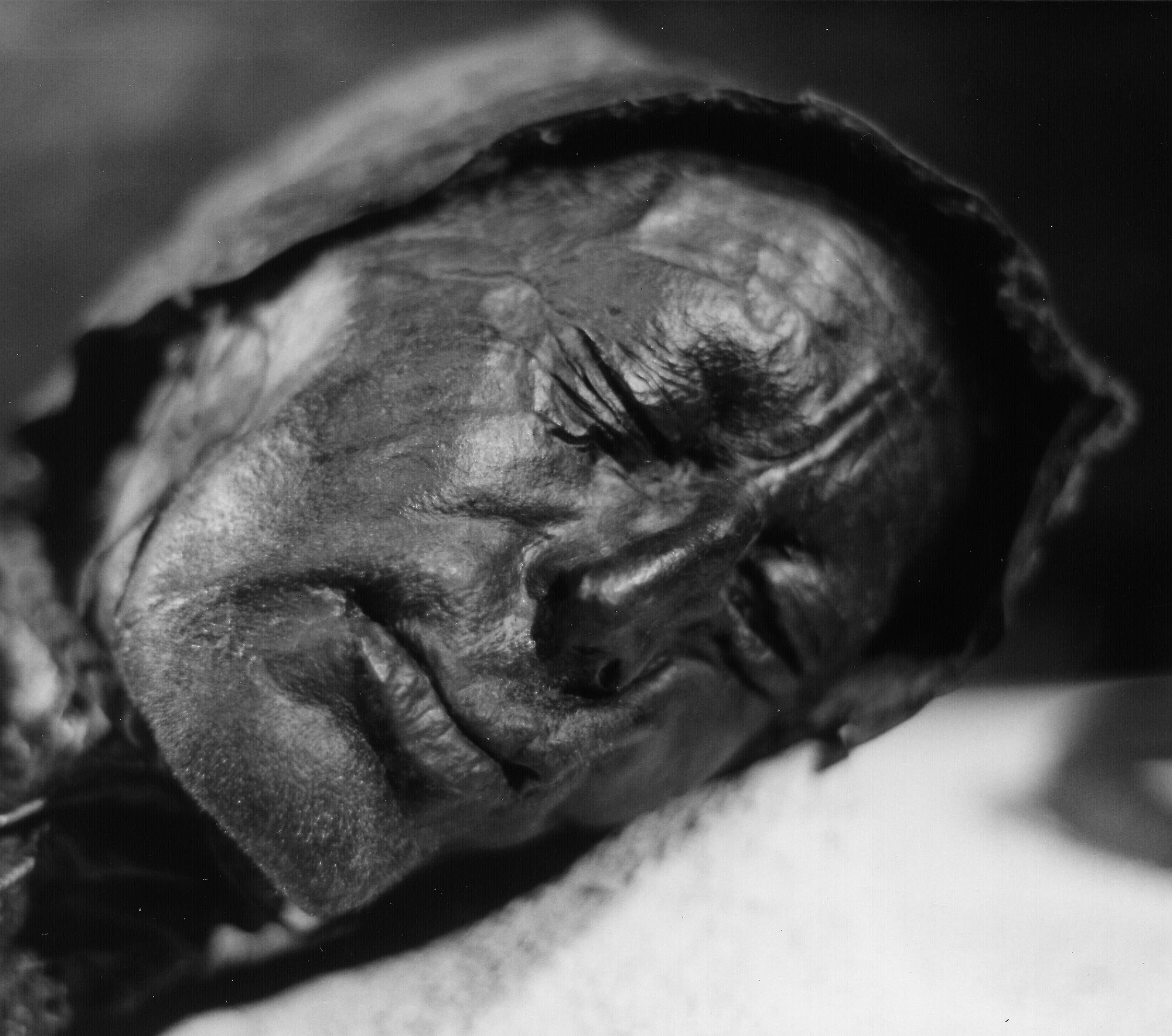
Perhaps the most famous of these is Tollund Man, discovered in Denmark in 1950. His face is so serene, his brow so gently furrowed, that he appears to be merely asleep. The stubble on his chin and the wrinkles around his eyes are starkly visible. This peaceful image is contrasted by the plaited leather noose drawn tightly around his neck. Analysis of his stomach contents revealed his last meal: a simple porridge of barley, flax, and various wild seeds. He had eaten 12 to 24 hours before his death, offering an intimate snapshot of his final day.
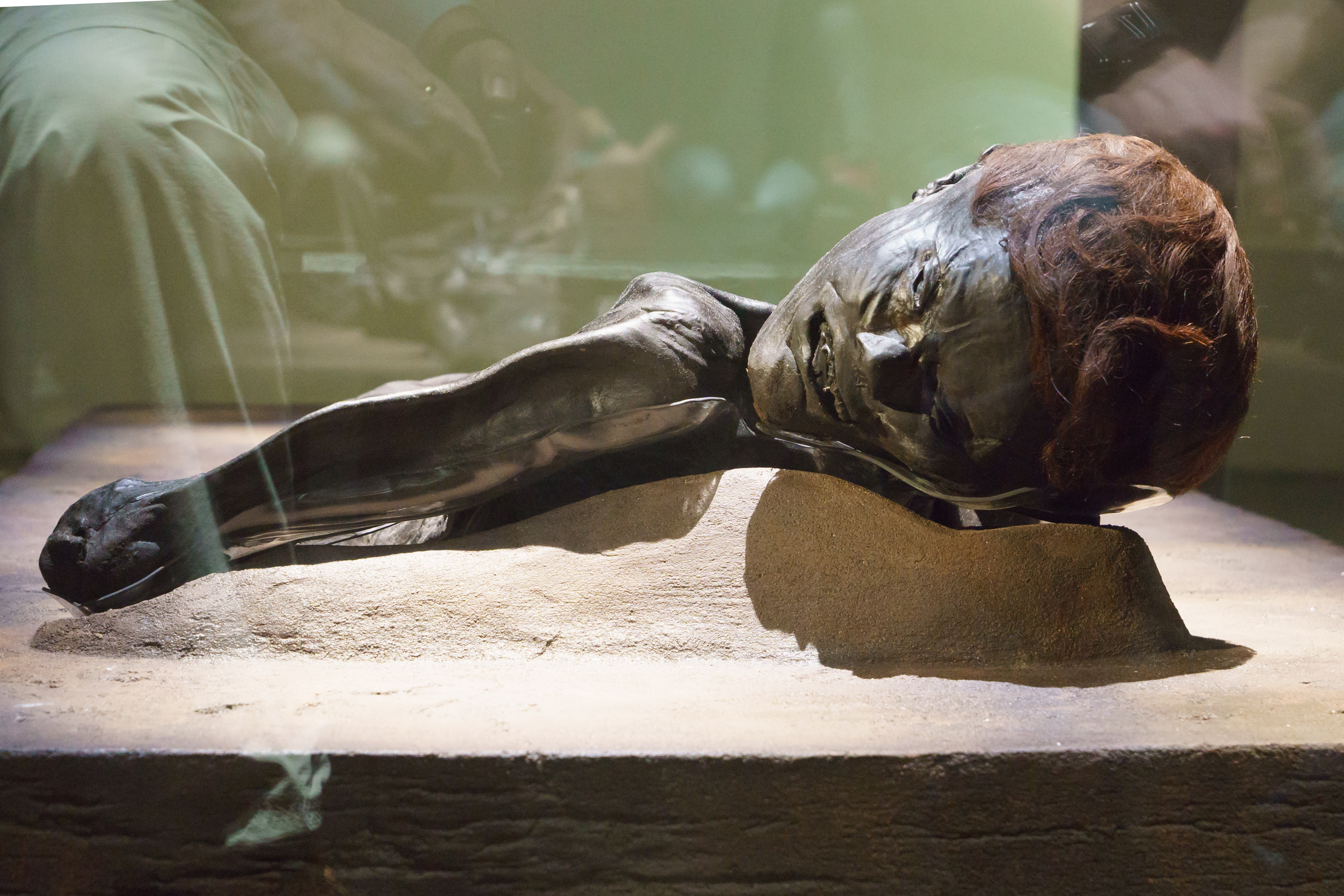
Another Danish discovery, Grauballe Man, tells a more violent story. Found in 1952, his body is also remarkably preserved, from his red hair to his fingerprints. Yet, his throat was cut from ear to ear with such force that it nearly severed his head. His hands, uncalloused by manual labor, suggest he may have been a person of high status, chosen for a specific purpose.
In England, Lindow Man, discovered in 1984, shows evidence of a particularly brutal end. He suffered multiple injuries, including blows to the head, a slit throat, and strangulation, in what archaeologists have termed a "triple death." The presence of mistletoe pollen in his stomach has led some to speculate a connection to druidic rituals, though the theory remains a subject of debate.
These silent figures offer unparalleled insights into a world otherwise known only through buried artifacts and the writings of Roman historians. The preserved woolen tunics, leather caps, and capes provide a tangible record of Iron Age fashion. The last meals, meticulously analyzed, paint a picture of their diet and the seasons in which they died.
The most compelling question, however, surrounds their demise. The consistent pattern of violent death among many of the most well-preserved bodies points away from accidental drowning. The prevailing theory suggests that these individuals were victims of ritual sacrifice, perhaps offerings to fertility gods to ensure a good harvest, or punishment for crimes within their communities. The bogs themselves, occupying a liminal space between land and water, were likely viewed as sacred gateways to the supernatural world.
The bog people are more than archaeological curiosities; they are a direct human connection to a distant past. They are not skeletons, but individuals, their faces and features so well-preserved that one could almost expect them to open their eyes. They challenge us to look beyond the scientific data and contemplate the lives they lived and the beliefs that guided their world. In their silent, leathery repose, they bridge the centuries, offering a haunting and profoundly personal glimpse into the Iron Age.