Electric trucks are closer to a tipping point, and cities can help them arrive
An analysis by C40 Cities, the University of Exeter and Arup argues that urban freight is nearing conditions where electric trucks can scale faster, especially when depots, curb rules and charging policy are planned together.
Marco Linden ·
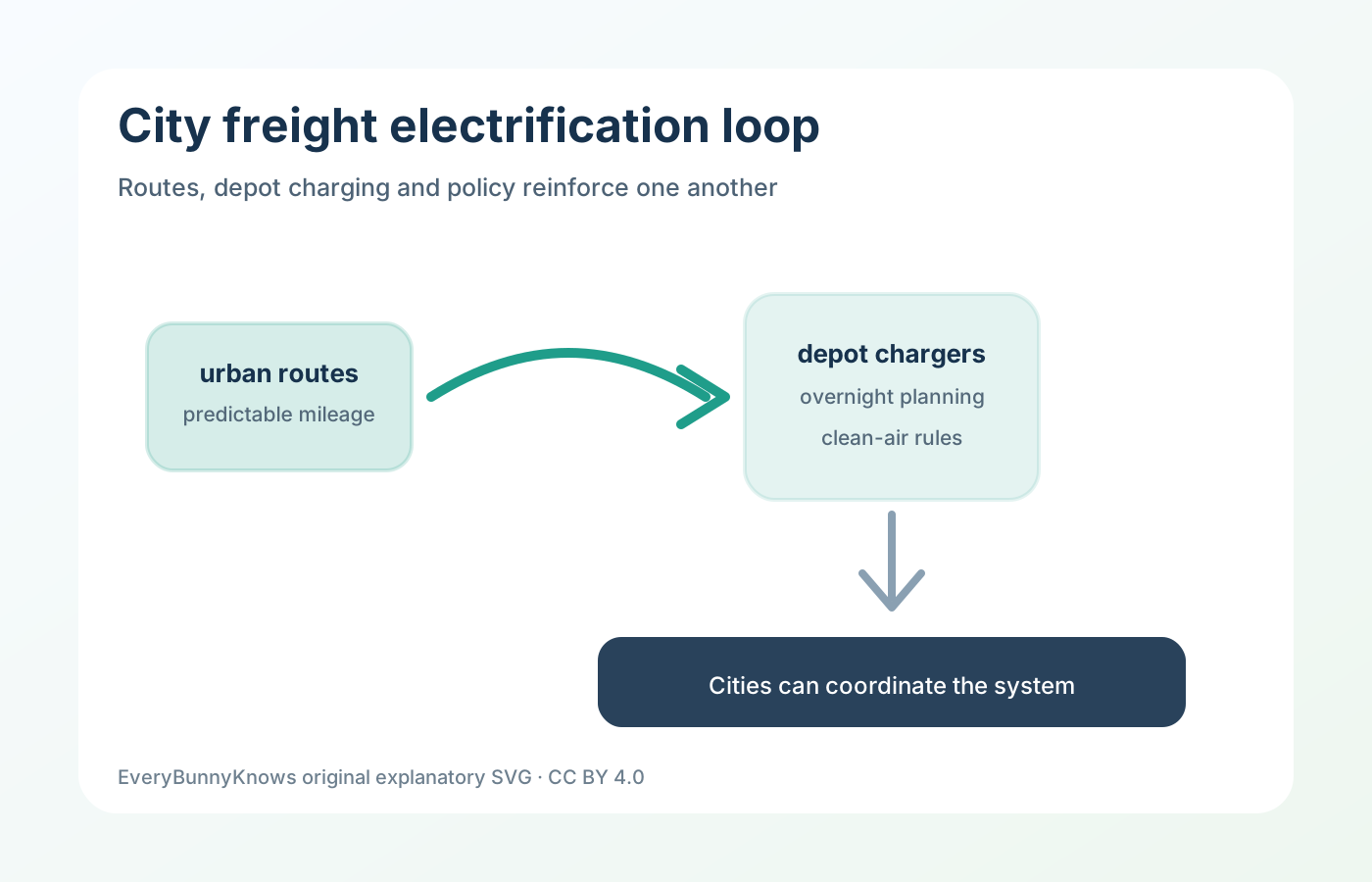
Electric trucks are often discussed as if the only question were battery size. The analysis cited by C40 Cities, the University of Exeter and Arup makes a more practical argument: city freight can approach a tipping point when routes, depot charging, clean-air rules and fleet economics begin to reinforce one another. Urban delivery is a good test case because many trucks run predictable daily mileage and return to known depots.
The mechanism of the transition is operational, not glamorous. A diesel truck can be refueled quickly anywhere the fuel network exists. An electric truck needs enough battery for its route, a charger where it parks, a grid connection that can handle the load and scheduling software that avoids charging everything at the most expensive time. When those pieces are planned together, total cost can fall and reliability can rise. When one piece is missing, adoption stalls.
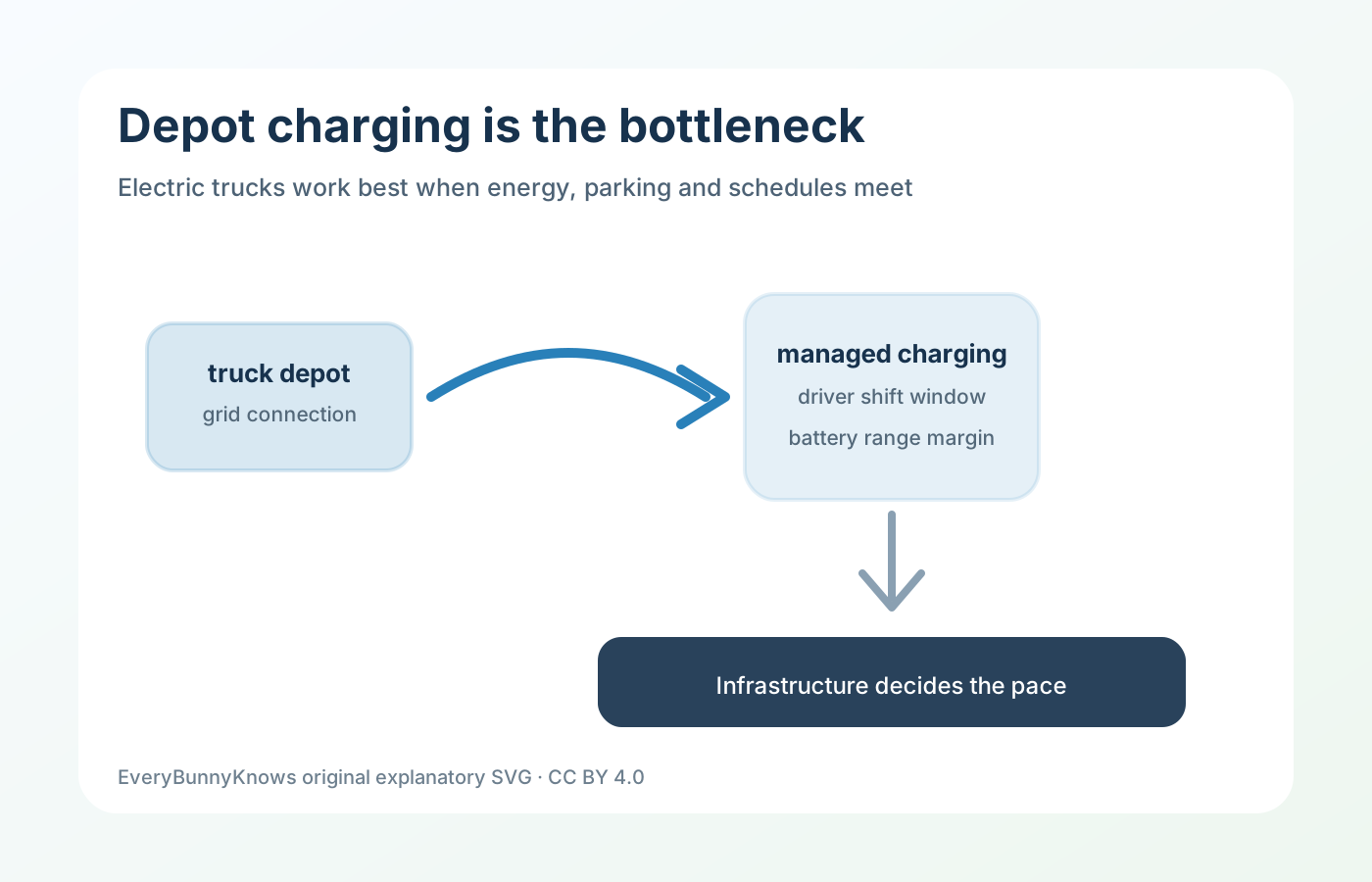
Cities have leverage because they shape freight streets. They can set zero-emission delivery zones, reserve curb space, coordinate charging sites, electrify municipal fleets, share data with logistics operators and use procurement to create early demand. They can also protect residents from noise and tailpipe pollution in neighborhoods that carry a heavy freight burden. The technology story is therefore also a planning story.
A tipping point should not be confused with inevitability. Heavy trucks, long-haul routes, cold weather, battery degradation, charger queues and grid upgrades remain real constraints. Small carriers may struggle with upfront vehicle costs or depot access even if large fleets move faster. Electricity must also be managed so that charging trucks does not simply shift pollution or cost to another part of the system.
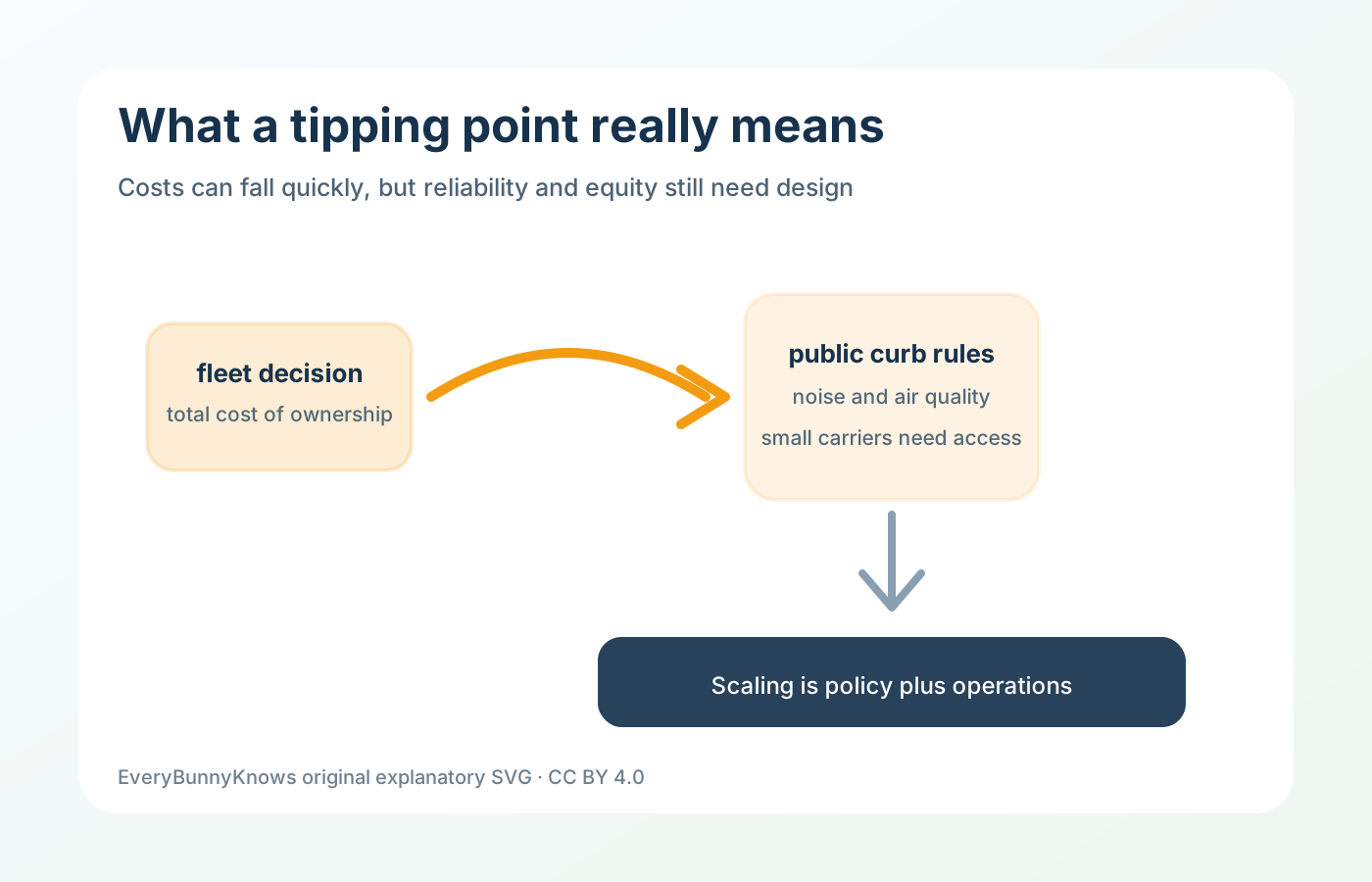
The bounded optimism is that electric freight no longer depends on a single breakthrough. Batteries, vehicles and chargers are good enough for many urban routes now. The next phase is coordination: matching the vehicles already reaching market with city rules, depots and grid planning so cleaner logistics becomes the easier default.
The city scale is important because freight decisions are clustered. A few depots, retailers, ports, waste fleets or construction suppliers can represent a large share of urban truck kilometres. If those actors receive clear rules and dependable charging plans, manufacturers and utilities see demand sooner. That is how a market can tip without every route being perfect on day one: the easiest and dirtiest urban uses move first, creating confidence for harder cases.
The public benefit is also concrete. Electric trucks can reduce street-level nitrogen oxides, particulates, engine noise and idling near schools, homes and warehouses. Those gains are largest when policy focuses on neighborhoods that have carried freight pollution for years. The technology standard should therefore include equity, not just vehicle sales. A clean fleet transition works best when small carriers, drivers, grid planners and residents are included early.
For readers, the practical test is whether the mechanism changes decisions. A credible technology story should say what has been measured, what still belongs to prototypes, and which real-world system would have to change before the idea matters outside a paper. That discipline keeps optimism useful: it points to next experiments, standards, operators and costs instead of treating a promising result as a finished product.