An engineered probiotic is moving toward human trials for IBD. That makes safety the main story
A UBC Okanagan project has engineered a beneficial bacterium for inflammatory bowel disease research and is preparing early human testing in Australia. The work is intriguing because it localizes a biological signal in the gut, but it remains investigational and is not a probiotic to try at home.
Elena Moss ·
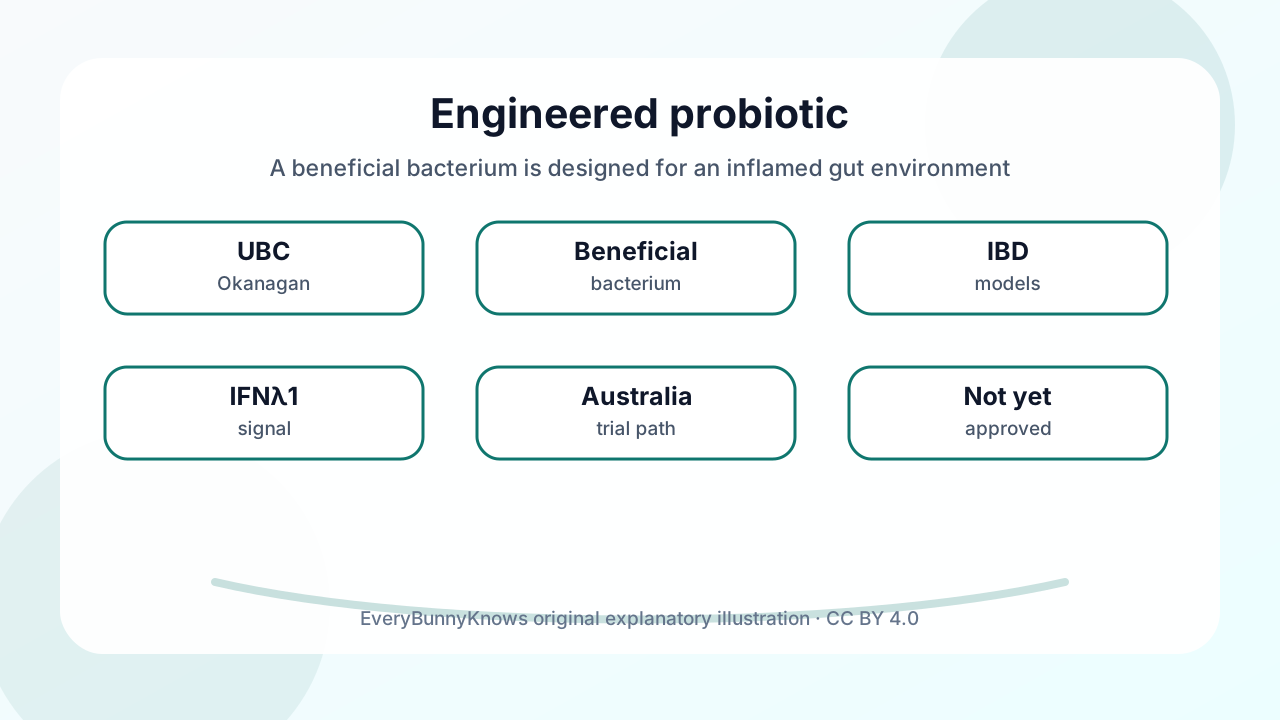
A probiotic heading toward human trials is not just a good-news story about friendly bacteria. It is a safety story about a living product that has been deliberately engineered. Researchers connected with the University of British Columbia Okanagan have described a beneficial bacterium designed for inflammatory bowel disease, with early development pointing toward human testing in Australia after years of laboratory work.
The biological idea is targeted delivery. In inflammatory bowel disease, including Crohn’s disease and ulcerative colitis, the immune system and gut barrier interact in ways that can produce chronic inflammation, pain, bleeding, diarrhea and fatigue. Existing treatments can help many patients, but they are not simple, universal or risk-free. An engineered probiotic tries a different route: use a microbe that can survive in the gut environment and produce a local anti-inflammatory signal, such as type III interferon IFN-λ1, closer to where inflammation occurs.
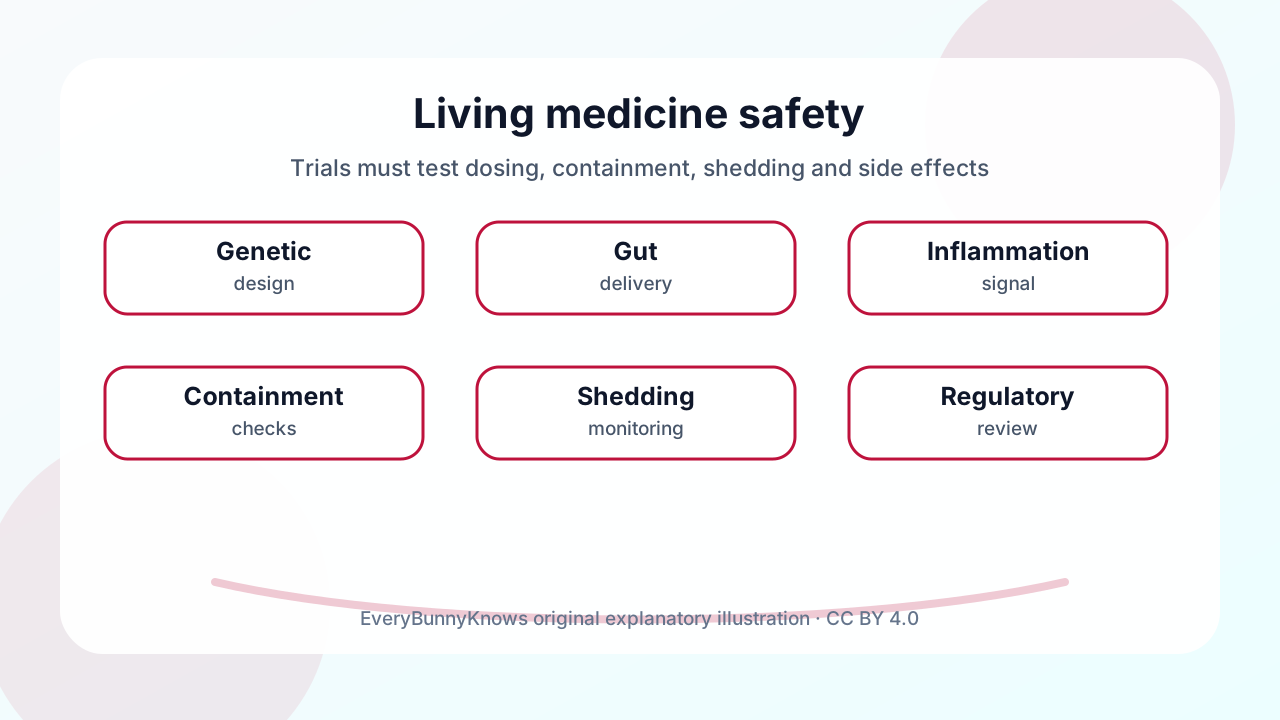
The preclinical evidence is a beginning, not an approval. Published work on an engineered probiotic producing IFNL1 reported reduced inflammatory signals in in vitro inflammatory-bowel-disease models. That kind of model can show whether a design is biologically plausible, but it cannot answer the questions that matter in people: dose, persistence, shedding, immune reactions, interactions with existing medicines, effects during flare-ups and whether the organism can be contained or cleared if needed.
That is why early human trials are deliberately cautious. A first-in-human path usually starts with small numbers and focuses heavily on safety, tolerability and monitoring before anyone can claim meaningful clinical benefit. For a living engineered microbe, regulators and ethics boards also care about manufacturing quality, genetic stability, environmental release, antibiotic-resistance markers and what happens after the product leaves the body.
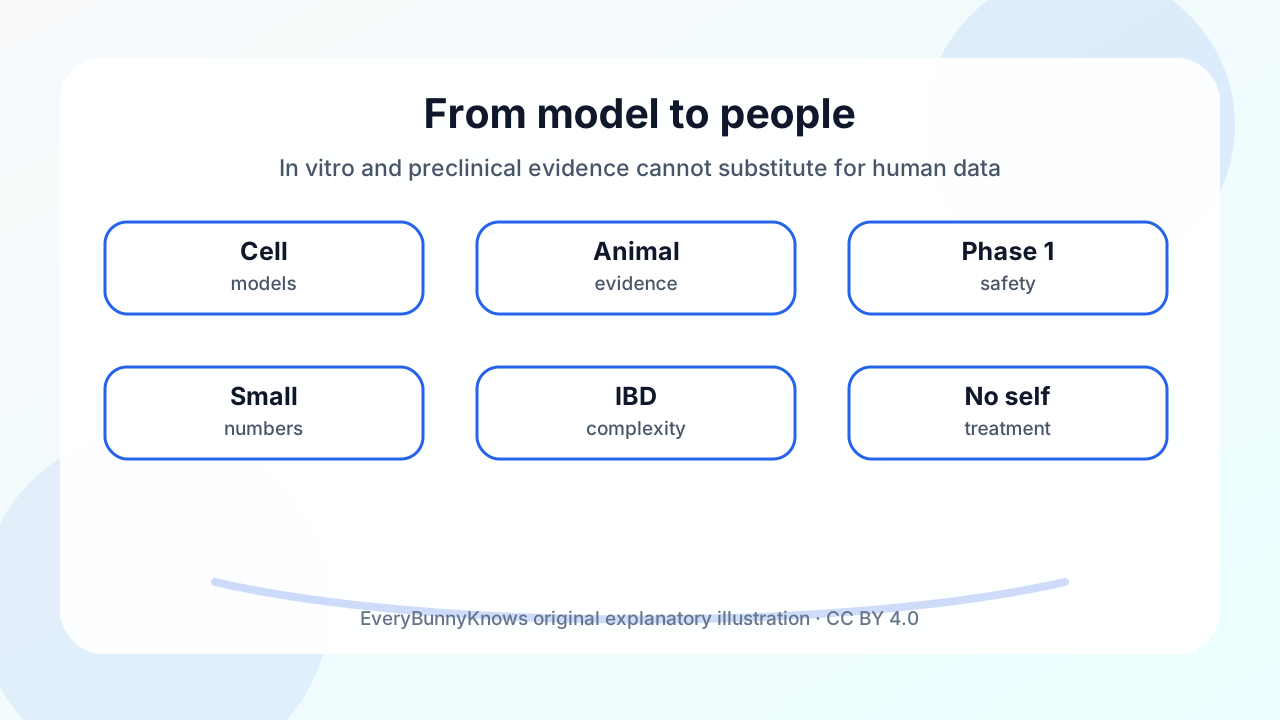
The boundary for readers is firm. This is not a reason to self-treat inflammatory bowel disease with over-the-counter probiotics, homemade cultures or unverified supplements, and it is not a substitute for gastroenterology care. IBD can cause serious complications, and changing medication without clinical guidance can be dangerous. The article is about an investigational platform, not advice for managing symptoms.
The hopeful part is the precision of the question. Instead of flooding the whole body with a signal, can a designed microbe deliver a controlled message in the gut, at the right place and for the right duration? The answer is not known yet. Negative or modest trial results would still be useful if they reveal safety limits, colonization patterns or design flaws before wider use. Moving from bench models toward carefully watched human studies is the proper way to find out: slowly, transparently and with safety treated as the main result, not an afterthought.