A child’s skull from Djarkutan hints at surgery 4,000 years ago
A reported trepanation on a child buried at the Bronze Age Oxus settlement of Djarkutan shows how archaeologists distinguish ancient medical intervention from injury while keeping the human limits of the evidence in view.
Mira Vale ·
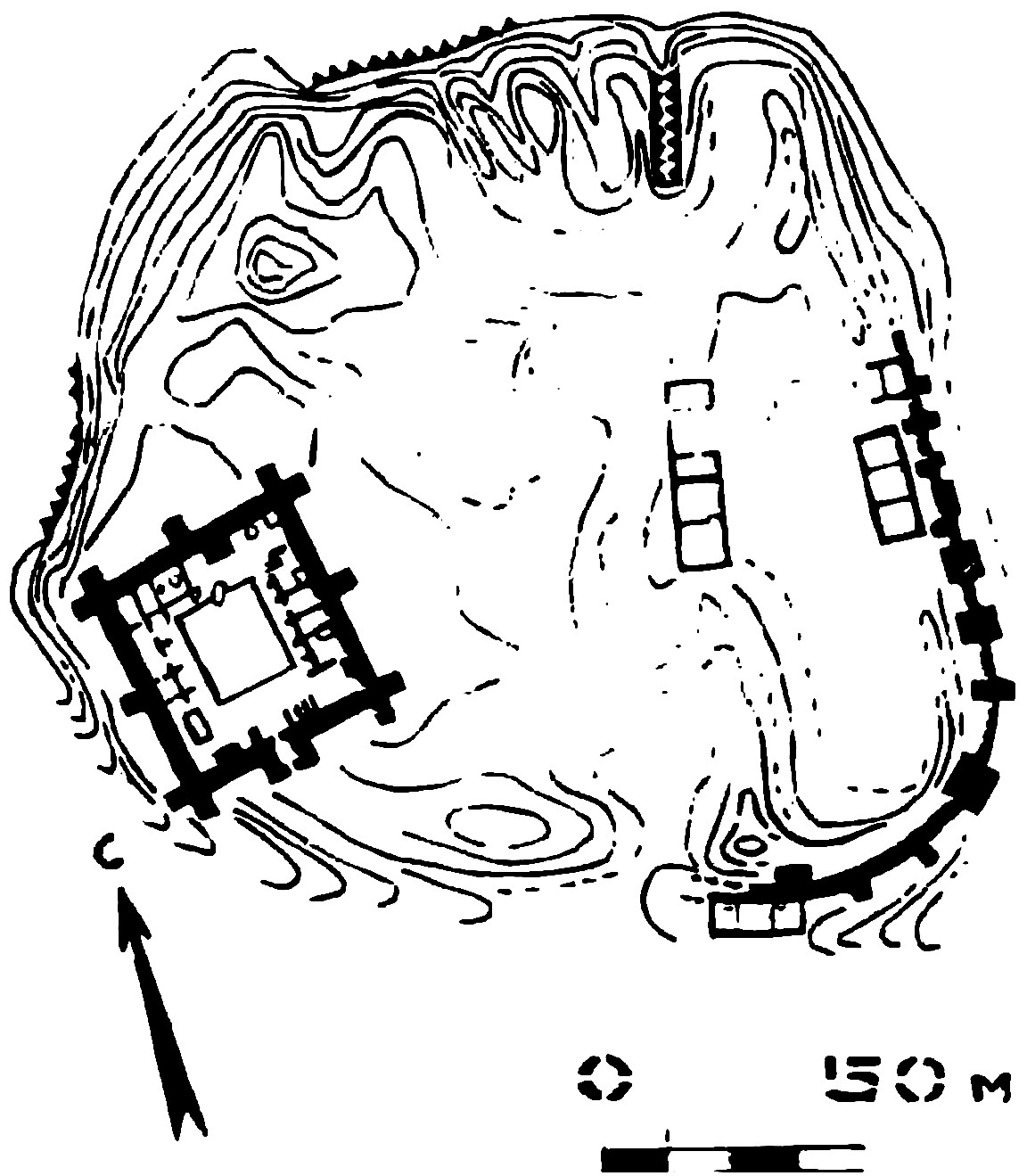
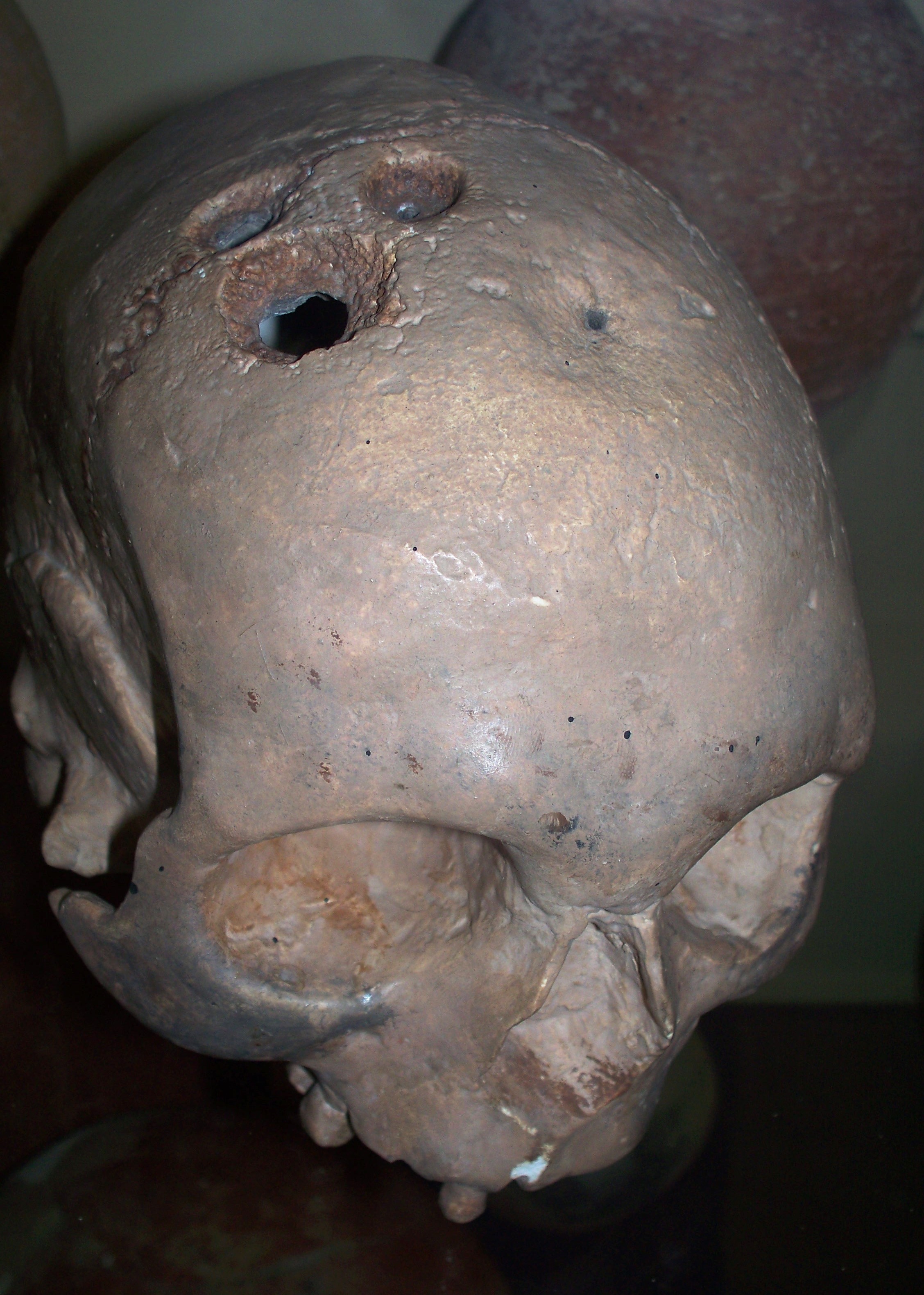
At the Bronze Age settlement of Djarkutan, in the Oxus world of Central Asia, archaeologists have reported one of the most intimate kinds of evidence: a child’s skull bearing signs of trepanation. The child, about five years old, had been buried with a younger child. The reported opening in the skull suggests an intentional surgical intervention roughly 4,000 years ago, discussed by researchers including Enrico Ascalone of the University of Salento. The discovery is not a story about a miracle cure. It is a careful archaeological problem about bone, tool marks, healing and the choices a community made around a very young person.
Trepanation means making an opening in the skull. It is known from many ancient societies, but each case has to be judged on its own evidence. Archaeologists and bioarchaeologists ask whether the edges of the hole look cut, scraped, drilled or broken; whether the shape differs from accidental trauma; and whether the bone shows signs of healing. Healing is especially important because it can show that the person survived for some time after the operation. Without healing, researchers must be more cautious: the intervention may have happened shortly before death, after a fatal injury, or even after death as part of a ritual or treatment whose meaning is difficult to recover.
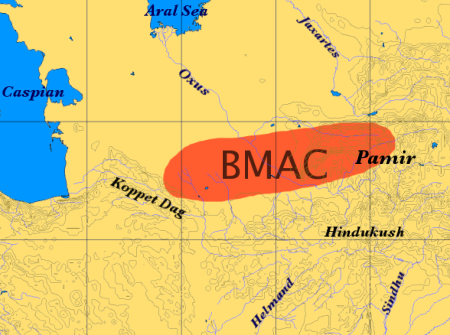
Djarkutan makes the case more significant because of its place in the Bactria-Margiana Archaeological Complex, a network of Bronze Age settlements, fortifications, craft production and exchange across parts of present-day Uzbekistan, Turkmenistan, Afghanistan and neighbouring regions. These communities were not isolated villages. They built planned spaces, worked metals and ceramics, farmed irrigated land and moved goods and ideas across long distances. A possible operation on a child therefore sits inside a society with specialists, ritual knowledge and practical skills, not outside history as a strange curiosity.
The hard question is why the procedure was performed. It could have been an attempt to treat head trauma, pain, swelling, seizures, infection or another condition visible to caregivers. It could also have carried ritual meaning, especially if illness was understood through spiritual as well as bodily causes. The evidence cannot let us hear the family, the practitioner or the child. What it can do is narrow the possibilities and show that people in Bronze Age Central Asia sometimes intervened directly in the skull, using knowledge and tools precise enough to leave recognisable traces.
The limits matter because ancient surgery can easily be romanticised. A single skull does not prove a medical profession, a standard technique or a successful treatment. It does show that care, risk and technical action belonged to very old human communities. Continued study of the burial, the settlement and comparable remains may clarify who performed the operation and how common such interventions were. For now, the most respectful conclusion is also the strongest: behind the archaeological term is a child, a community that tried something difficult, and a trace that still asks careful questions.
The case also widens the history of medicine beyond written traditions. Long before clinical records, communities left evidence in bodies, graves and settlement plans. Reading that evidence well means combining compassion with restraint: the mark may testify to skill, fear, hope, ritual duty or all of these at once, but it should never be reduced to a modern headline about primitive surgery.