A newly exposed road leads back into ancient Side
Excavations near Antalya have revealed a street approaching ancient Side, turning a port city famous for temples and a theatre into a clearer story of harbour work, farming, roads and urban maintenance.
Elena Moss ·
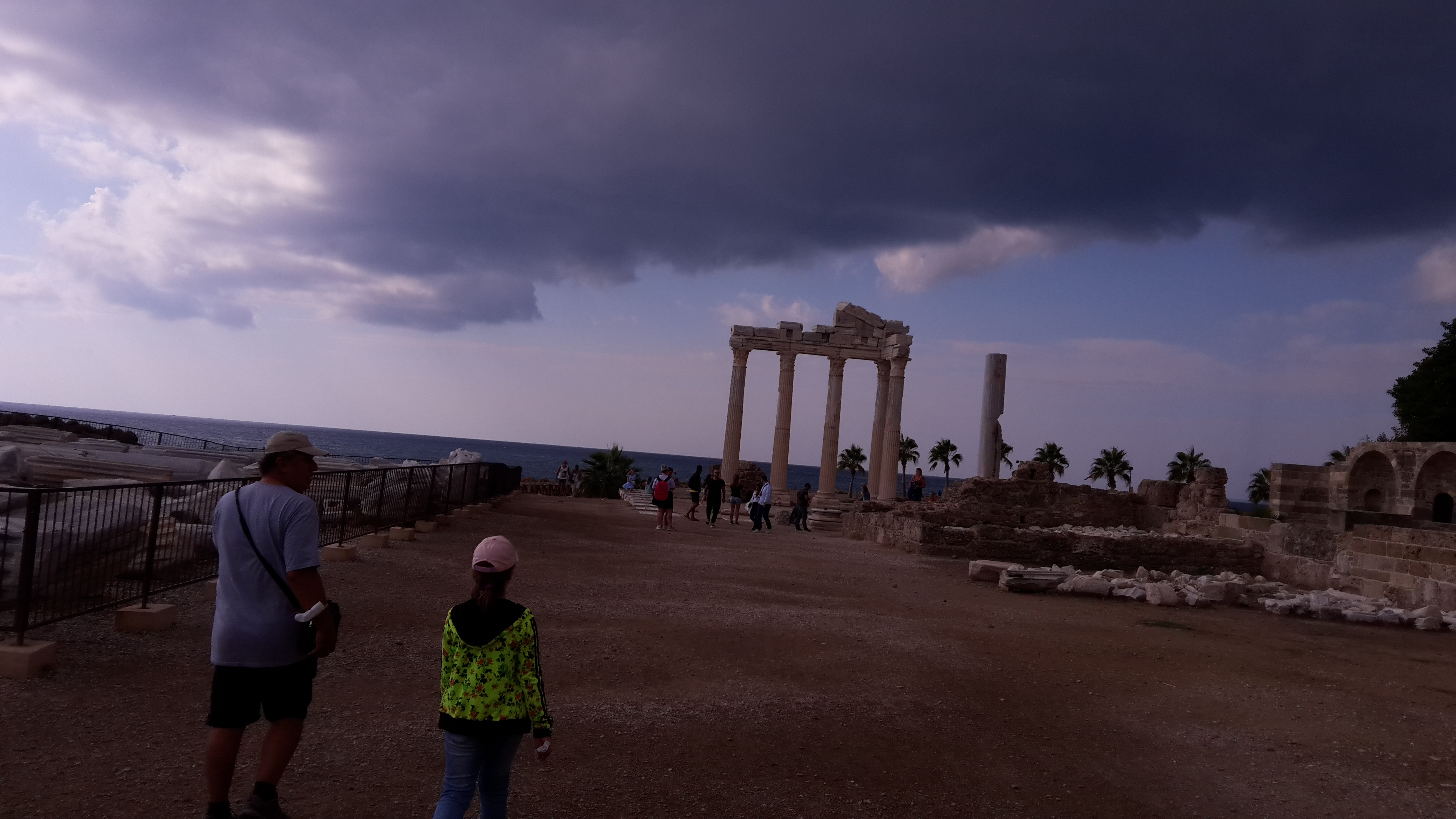
Excavations on Turkey’s southern coast have added a deceptively simple feature to the story of ancient Side: a road. The newly reported street leads toward the ancient city near modern Antalya, a place already known for its theatre, temples of Athena and Apollo, baths, monumental fountain and long colonnaded street. A road may sound less spectacular than a temple, but for historians it is often the more useful discovery. It shows how people approached the city, how traffic was organised, and how a Mediterranean port joined its harbour, farms, markets and public monuments into one working system.
Side stood on a small promontory in Pamphylia, facing the sea but also relying on the alluvial soils brought by the Melas River. That combination matters. Archaeologist Feristah Alanyali of Anadolu University, quoted in the original Archaeology Magazine report, described Side as both an important maritime city and an agricultural one. The point changes how the road should be read. It was not only a ceremonial approach for visitors admiring marble columns. It was part of a landscape where grain, olives, timber, animals, stone, sailors, builders and officials had to move predictably between coast and countryside.
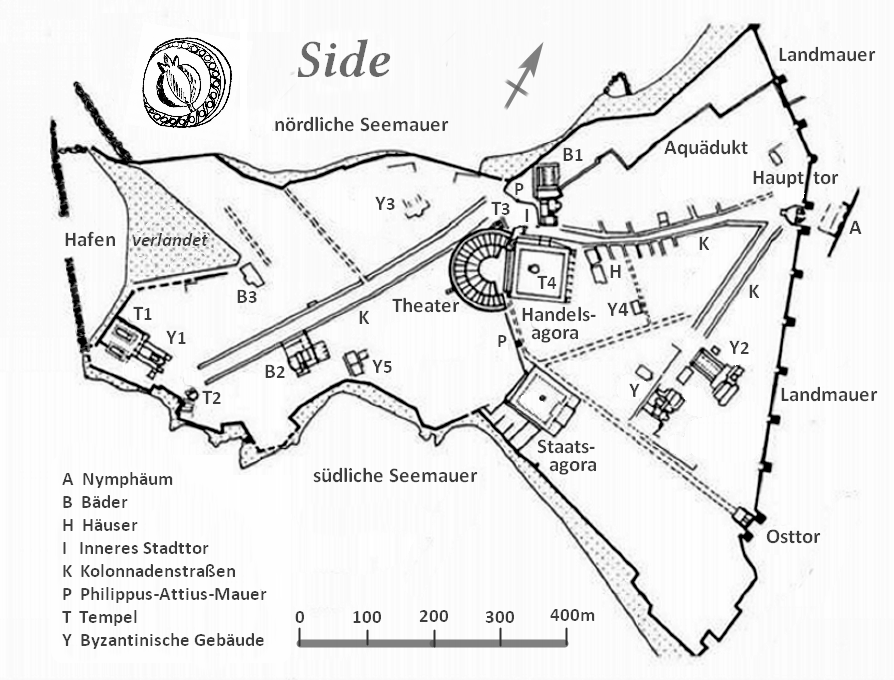
Archaeologists learn from roads because construction details preserve decisions. Width, paving, kerbs, repairs, drainage, wheel ruts and the relationship to nearby buildings can show whether a route served heavy transport, formal processions, neighbourhood access or repeated maintenance. At Side, the wider context is especially important because the ancient harbour demanded constant attention. The source report notes that residents repeatedly dredged sand before finally shifting activity elsewhere. A road approaching the city therefore belongs to a larger rhythm of upkeep: clearing a harbour, repairing streets, maintaining fountains and baths, and keeping a port useful despite sediment, storms and changing trade.
The find also reminds us that classical cities were not frozen museum scenes. Side’s visible ruins belong to long phases of Greek, Roman and later life, but every phase reused earlier choices. A street could survive because it kept making sense, or disappear because a gate moved, a harbour silted up, or a district changed function. The newly exposed road is valuable because it gives researchers another fixed line from which to test those changes. It may help connect scattered excavated areas and refine the map of movement through the city.
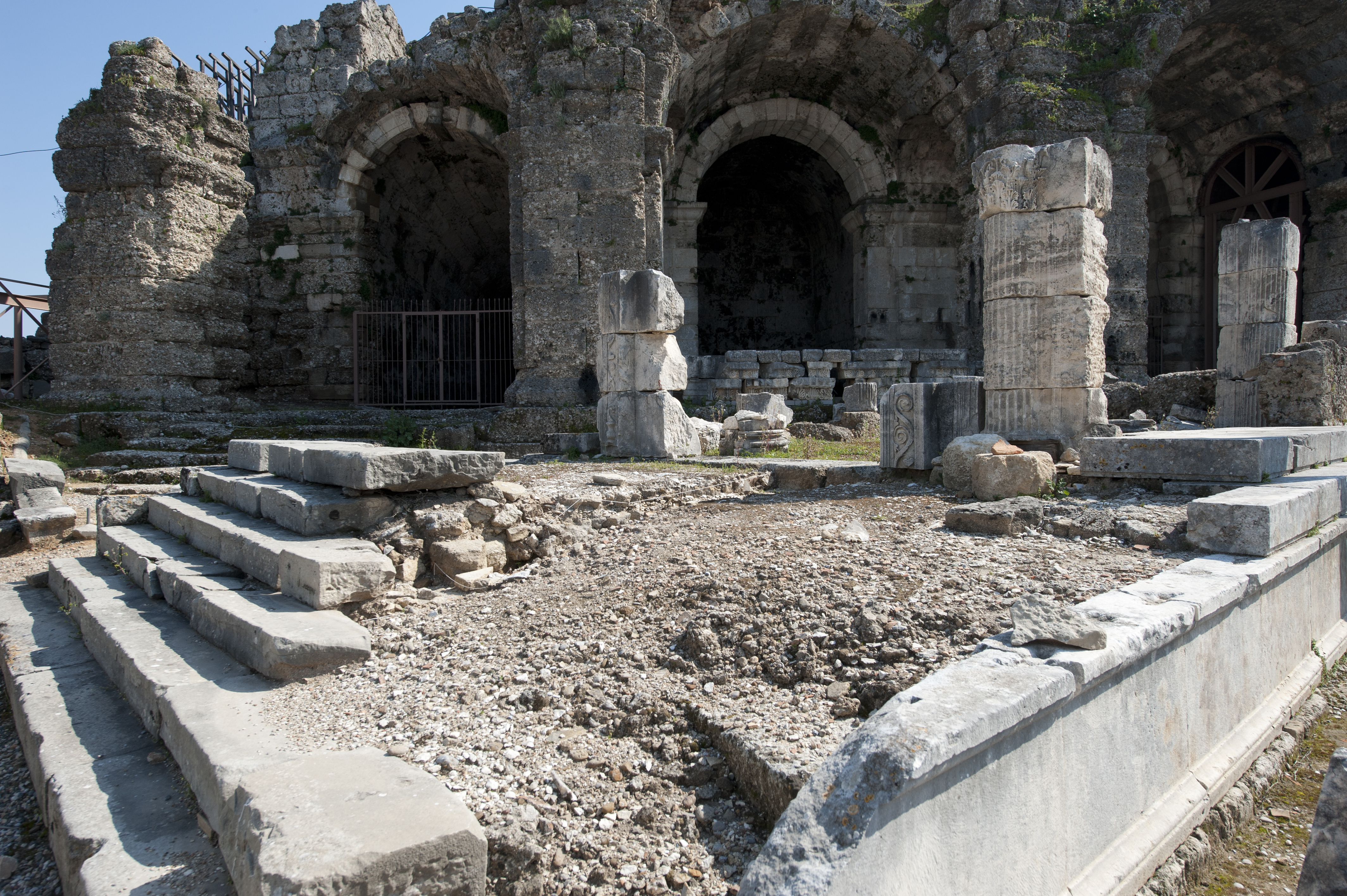
There are limits. A road by itself cannot identify every traveller or cargo, and published details will matter: stratigraphy, associated ceramics, inscriptions, repair layers and links to known gates will decide how precisely it can be dated and interpreted. The hopeful part is practical rather than dramatic. Each street segment makes Side less like a postcard of ruins and more like a lived city whose success depended on infrastructure as much as beauty.
That is why the discovery is best understood as orientation rather than spectacle. It helps future excavation teams ask where gates, side streets, workshops and service areas may have stood, and it helps visitors see that Side’s famous monuments were connected by ordinary choices about slope, access and repair. In a coastal city where sand, water and trade constantly changed the terms of daily life, an exposed road is evidence of planning and persistence.