FGF21 helps stressed cells fold proteins by turning up sulfide signaling — in preclinical work
A Cell Metabolism study connects the hormone FGF21 with the unfolded protein response and hydrogen-sulfide signaling during endoplasmic-reticulum stress. It is a mechanism story, not a ready treatment: the work is preclinical and focuses on cellular resilience.
Emma Rybar ·
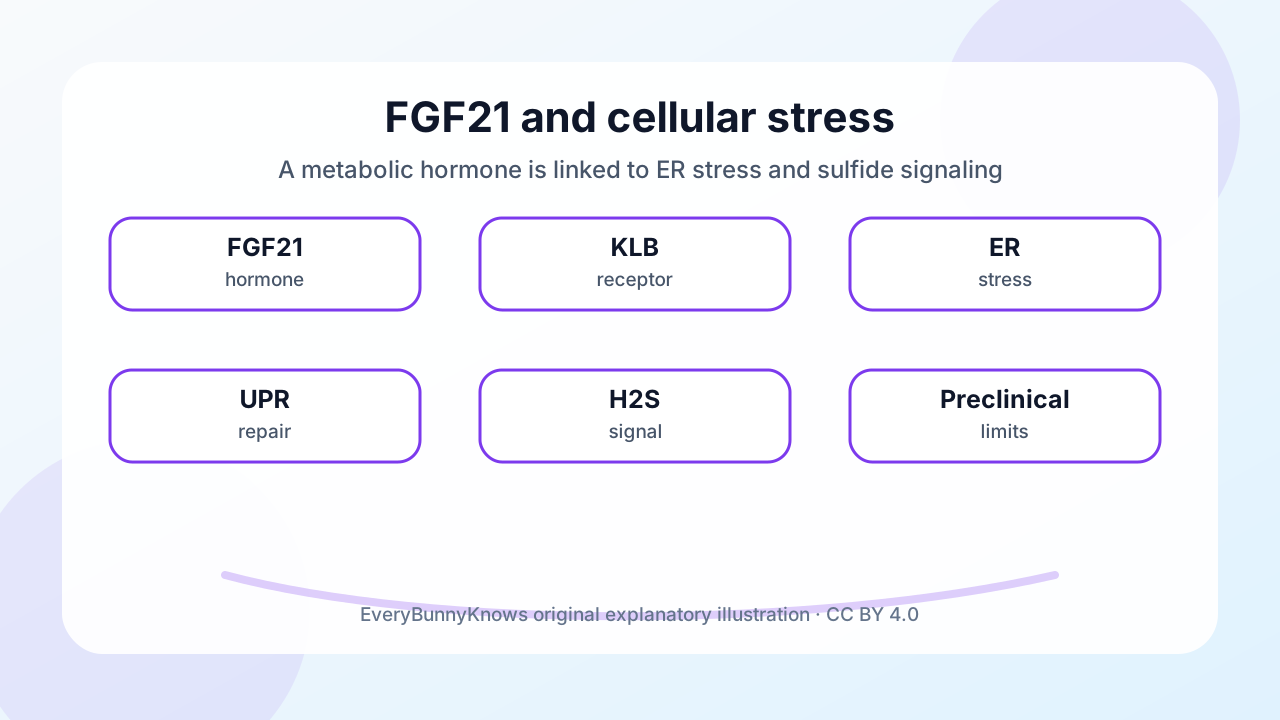
FGF21 is usually discussed as a metabolic hormone, but a Cell Metabolism study gives it a more precise role inside the cellular stress story. Gerald Grandl and colleagues report that fibroblast growth factor 21 can reduce endoplasmic-reticulum stress by enhancing the unfolded protein response and the integrated stress response through increased sulfide signaling. That is a dense sentence, but the basic idea is vivid: when cells struggle with protein folding, FGF21 appears to help amplify the machinery that restores balance.
The endoplasmic reticulum is where many proteins are folded and prepared for use or export. If misfolded proteins accumulate, cells activate the unfolded protein response, or UPR, to slow new protein production, increase repair capacity and decide whether the stress is recoverable. FGF21 had already been linked to ER stress and metabolic adaptation, but its physiological function was unclear. The new work used proximity labeling at the FGF21 receptor cofactor beta-klotho, known as KLB, and found associations with protein folding, ER stress and hydrogen-sulfide production.
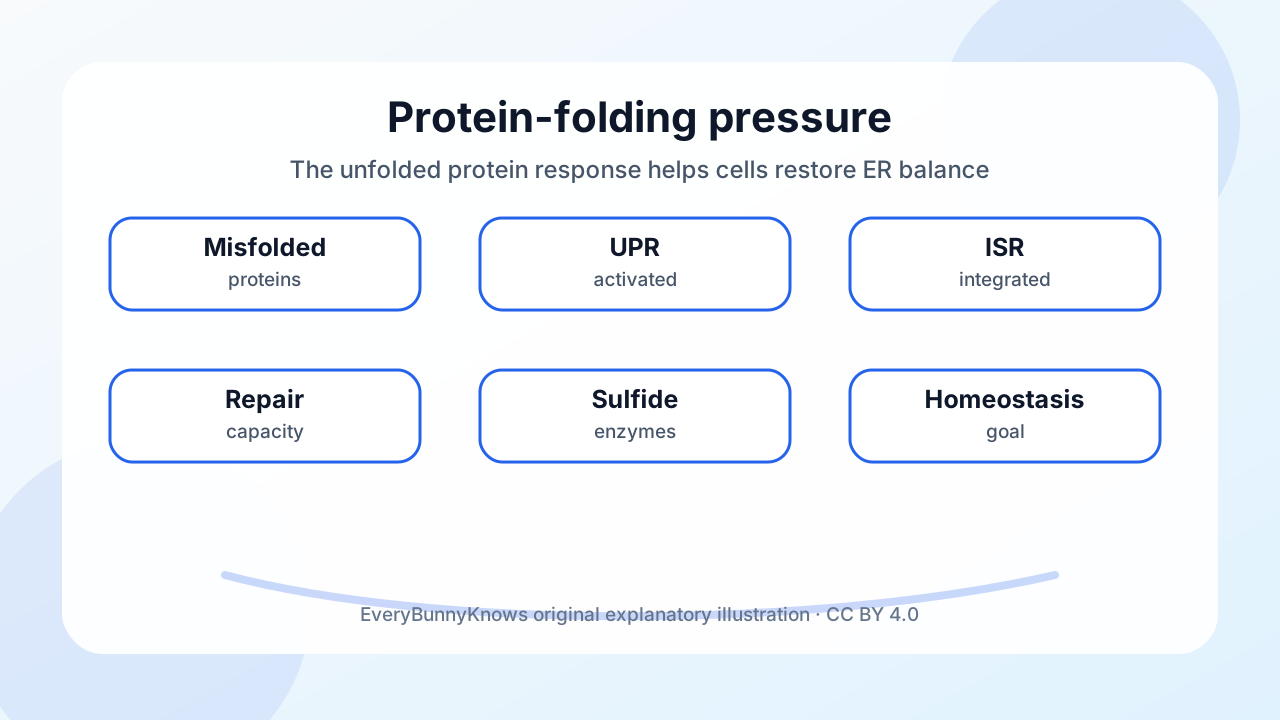
The mechanism the team describes is sulfide signaling. FGF21 increased enzymatic sulfide production and strengthened the UPR and integrated stress response. When researchers genetically or pharmacologically blocked sulfide signaling, the FGF21 effect was blunted. Conversely, an H2S donor could mimic parts of the effect in vivo. The study also reports that KLB was required and that even physiological levels of FGF21 could modulate the UPR through increased hepatic hydrogen-sulfide production.
This is important because it connects a circulating hormone to a local cellular resilience pathway. Instead of viewing FGF21 only as a broad metabolic signal at high experimental doses, the paper frames it as an endocrine stress hormone that helps cells cope with protein-folding pressure. That may matter for liver metabolism and other conditions where ER stress is involved, but the finding is still a mechanism map rather than a medical product.
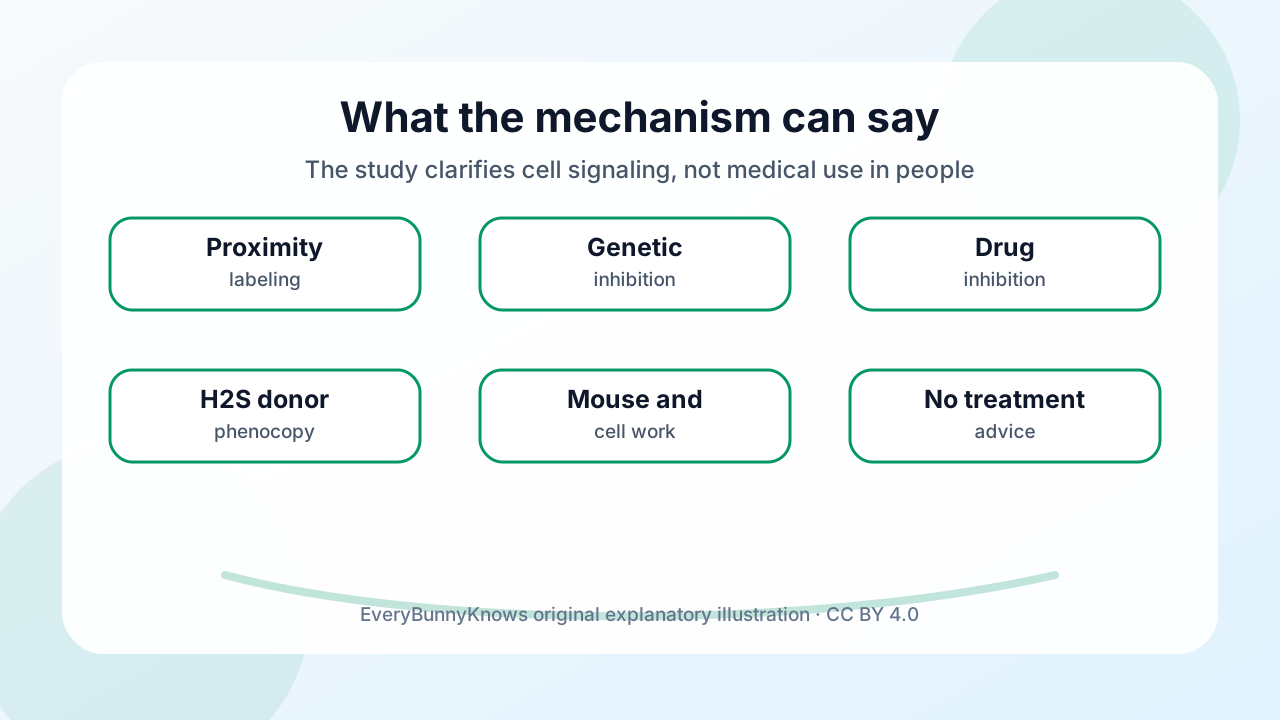
The safety boundary is therefore firm. This study does not justify self-treatment with FGF21-like compounds, hydrogen-sulfide donors or supplements, and it does not provide treatment advice for metabolic, liver or stress-related disease. Laboratory and animal mechanisms often fail, change or become more complicated when translated into human therapies. Dose, tissue specificity, timing, side effects and patient differences all have to be tested before a mechanism can become medicine.
The hopeful part is intellectual rather than promotional. Cells are not passive victims of stress; they carry layered repair systems, and hormones can tune those systems in ways researchers are only beginning to map. By showing how FGF21 may connect ER stress to sulfide signaling, the study gives future work a sharper question: can cellular resilience be supported safely, in the right tissue and at the right moment, without overstating what a preclinical pathway can do?