A Forest Floor Written in Fungi
Beneath beech leaves and spruce needles, fungi digest litter, trade nutrients with roots and build the soil structure that lets a forest remember each season.
Mira Vale ·
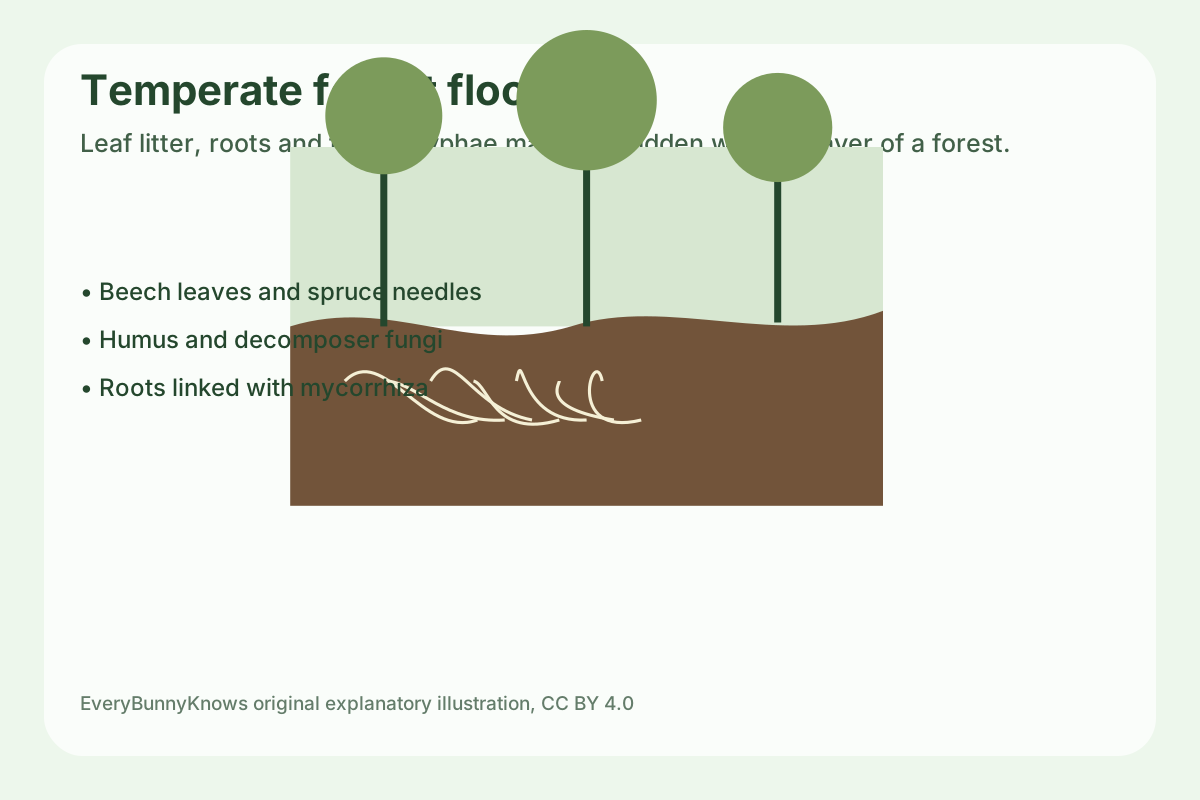
In a temperate forest, the most active layer is often the one people step over. Under the leaves of European beech, *Fagus sylvatica*, beneath Norway spruce needles, *Picea abies*, and around fallen branches, fungal threads spread through litter and humus like a second set of roots. They are not scenery. They are the machinery that turns last year’s leaves into soil, moves nutrients toward living trees and decides how much carbon stays underground.
Forest-floor fungi work in several guilds. Saprotrophic fungi attack dead leaves and wood, using enzymes that can open cellulose, hemicellulose and, in some species, the tougher lignin that gives wood its strength. Mycorrhizal fungi wrap or enter living roots and trade mineral nutrients and water for sugars made by photosynthesis. Pathogens and endophytes add another layer, sometimes weakening plants, sometimes living quietly inside tissues. The result is not one “fungus network” but a crowded habitat of species with different jobs.
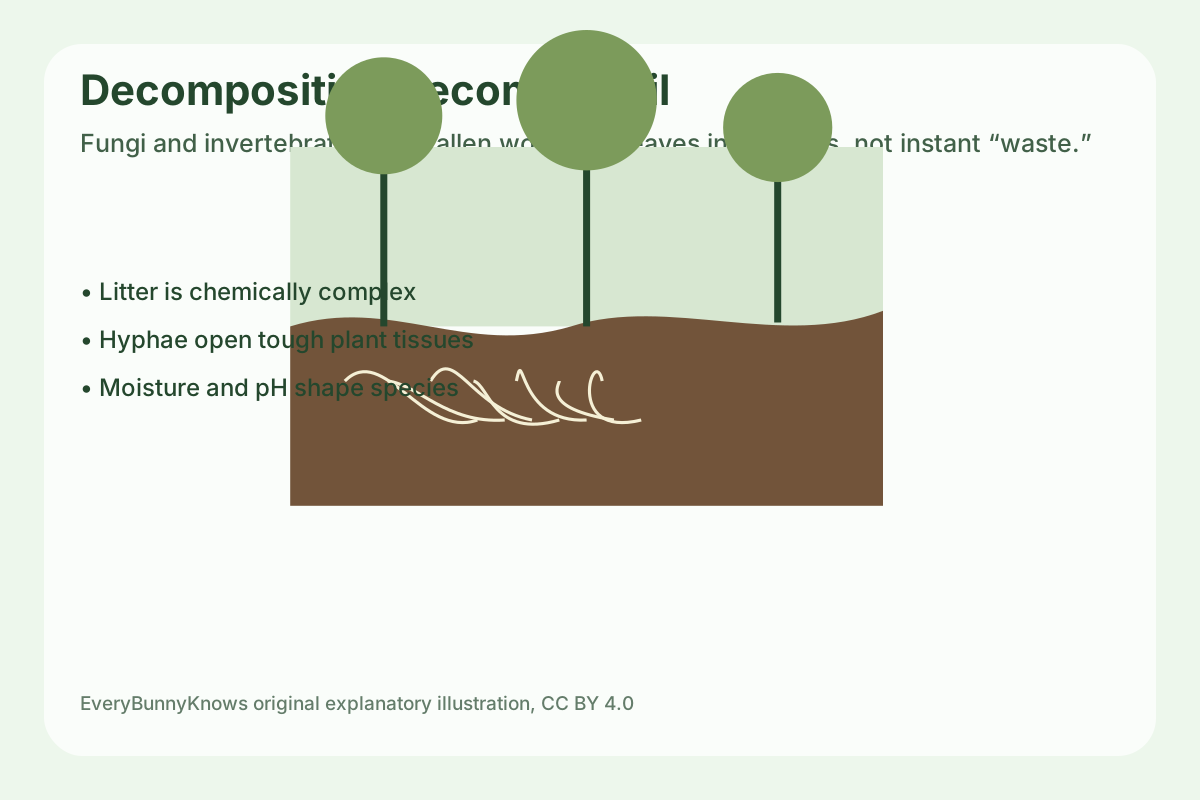
The mechanism is chemical as much as visual. A fallen beech leaf contains carbon-rich polymers and minerals that are locked in plant tissue. Fungal hyphae grow into that tissue, secrete enzymes and absorb the smaller molecules released by decay. Bacteria, springtails, mites, beetle larvae and earthworms join the work by fragmenting litter and mixing it into mineral soil. Moisture, acidity, temperature and tree species all change which fungi thrive, which is why a spruce plantation floor can smell and behave differently from a mixed beech woodland.
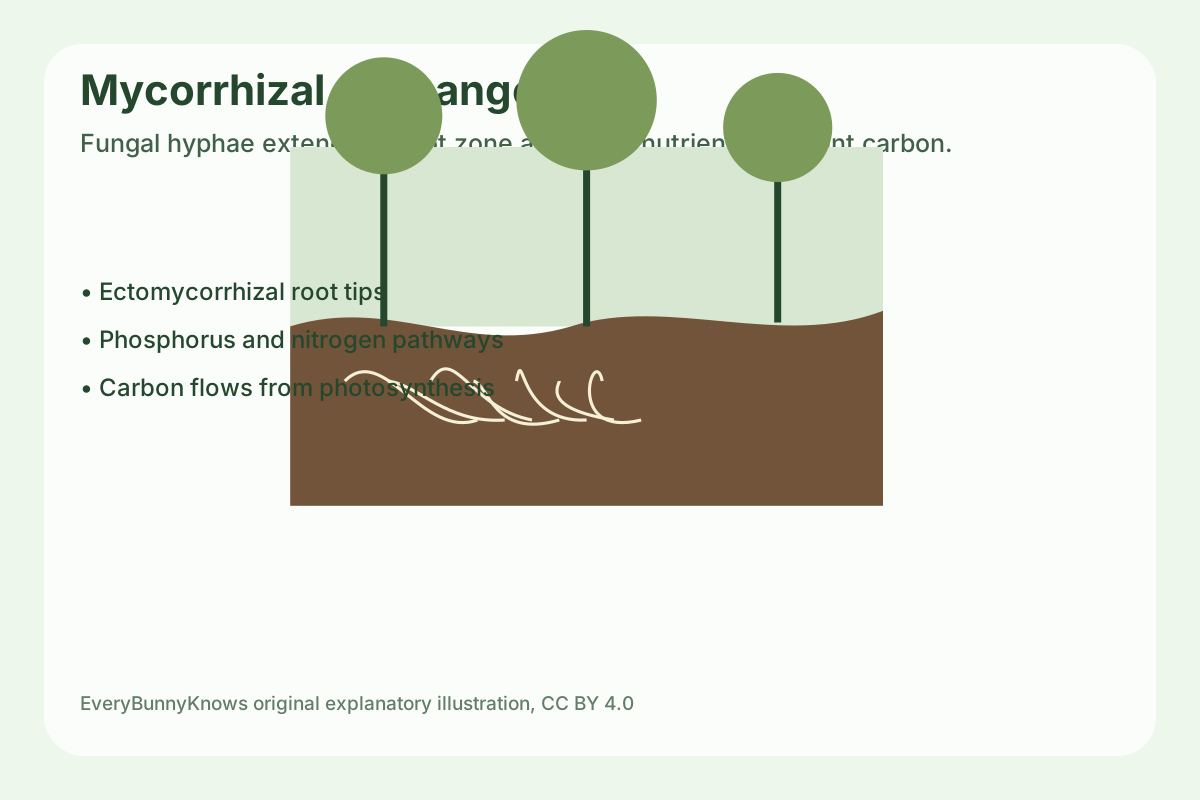
Mycorrhiza adds the living-tree side of the story. In ectomycorrhizal partnerships common in many northern forests, root tips are sheathed by fungal tissue, and hyphae extend far beyond the reach of fine roots. The plant supplies carbon; the fungus can help gather nitrogen, phosphorus and water from tiny pores in soil. This is not charity and not a secret forest internet. It is a regulated exchange among organisms with their own needs, sometimes cooperative, sometimes competitive.
The limits are worth stating because fungi are easy to romanticize. A photograph of mushrooms shows only the fruiting bodies, not the hidden mycelium that may be doing most of the work. DNA surveys can detect many fungal names in a soil sample but do not always reveal what each organism is doing that week. Carbon stored in forest soil can also be released again by drought, heat, disturbance or faster decomposition.
Still, the forest floor changes how a walk in the woods reads. The brown layer underfoot is a living archive of weather, roots, animals and microbes. Protecting it means leaving dead wood where it can safely remain, avoiding unnecessary soil compaction, and recognizing that forest health is built from relationships too small to see from the trail.