Menton’s Lemon Coast: Old Town Lanes, Citrus Terraces and the Riviera’s Italian Edge
Menton is more than a pastel stop near Italy: its old town, PGI lemons, dry-stone terraces, gardens and crowded Fête du Citron explain how a small Riviera city turns climate into culture.
Mira Vale ·
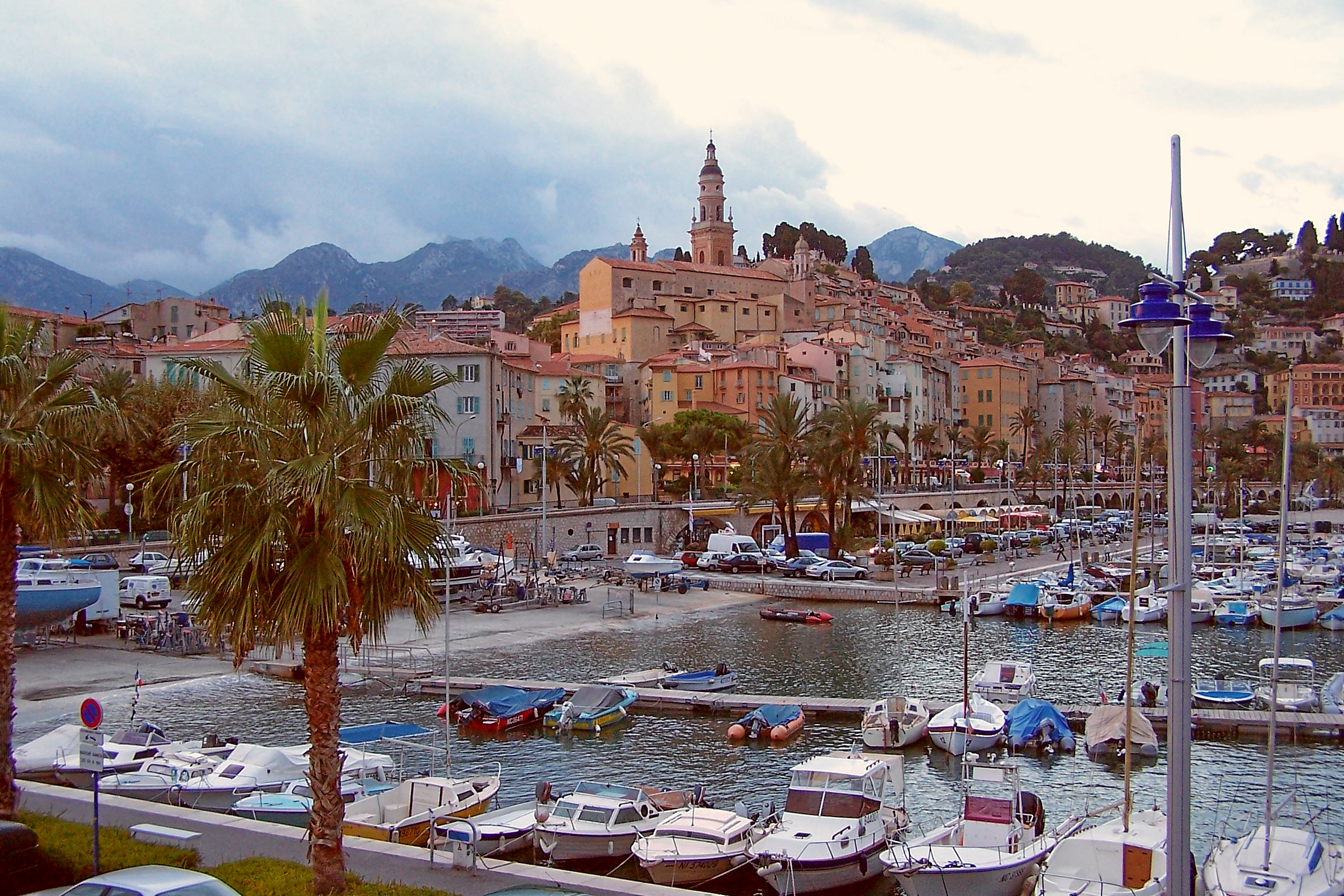
Menton sits at the eastern end of the French Riviera, close enough to Italy that the border is part of the atmosphere rather than a distant fact. The old town climbs above the port in ochre, apricot and pale yellow walls; stairways lead toward Saint-Michel Square, the Baroque basilica and views over Les Sablettes. What makes the town more than a pretty stop is the way three landscapes meet in a very small space: sea, steep streets and citrus terraces.
That geography explains the lemon coast better than any postcard. The local tourist office describes a protected bowl between the Mediterranean and hills that soften northern winds. On terraced slopes, dry-stone walls known as restanques hold soil, guide water and release stored warmth at night, helping citrus trees through cooler periods. The result is not a mythic “secret” fruit but a crop tied to place, work and microclimate.
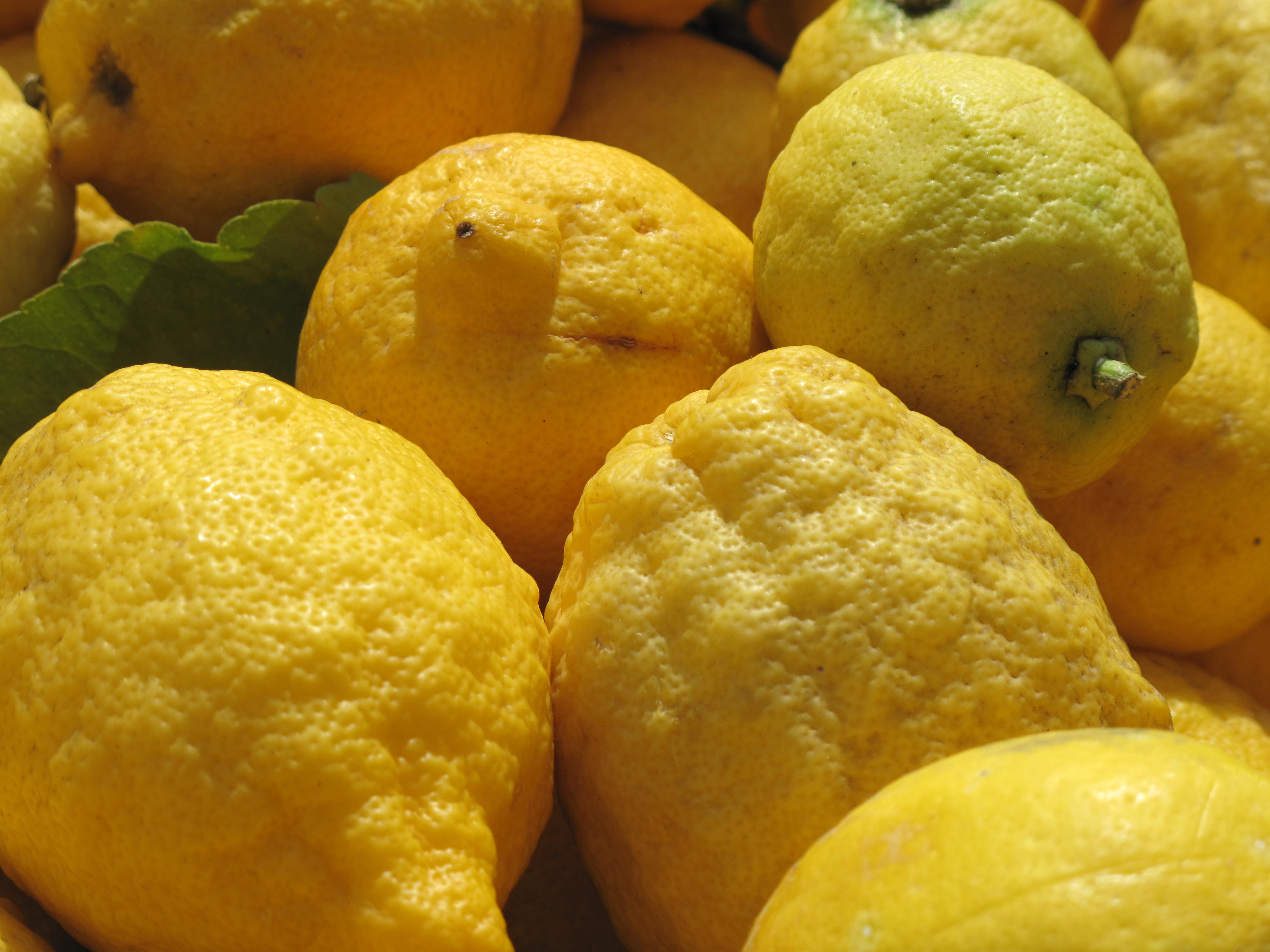
The Menton lemon has carried a Protected Geographical Indication since 2015. According to local tourism information, it is picked by hand, left to ripen on the tree, not waxed after harvest, and valued for fragrance, mild acidity and thick skin. The same sources trace a long citrus history: cultivation expanded in the 17th and 18th centuries, peaked from the mid-18th to mid-19th centuries, declined, then was revived in the 1990s before the PGI recognition. That arc matters because it turns “lemon coast” from a marketing phrase into a story of terraces, producers and revived local knowledge.
Menton’s old town gives the visitor the walking version of that story. The climb from the harbour into narrow lanes is short but steep; some passages are warm and sunlit, others cool and shaded. Around Saint-Michel, medieval crossings and Baroque buildings show how the town grew before the modern Riviera was imagined as a holiday strip. From the Vieux Château cemetery above, the bay and Italian edge make the map readable in one glance.
Food keeps the place grounded. A morning at Les Halles market connects lemons with olives, vegetables, fish, cheese, pastries and the Ligurian-Provençal border kitchen. The point is not to chase one souvenir flavour, but to notice how a coastal town eats from several directions at once: the sea, the hills, nearby Italy and citrus orchards that still survive behind the resort image. Lemon tart, citrus preserves, barbajuan and simple fish dishes make more sense when you have walked the slope that feeds them.
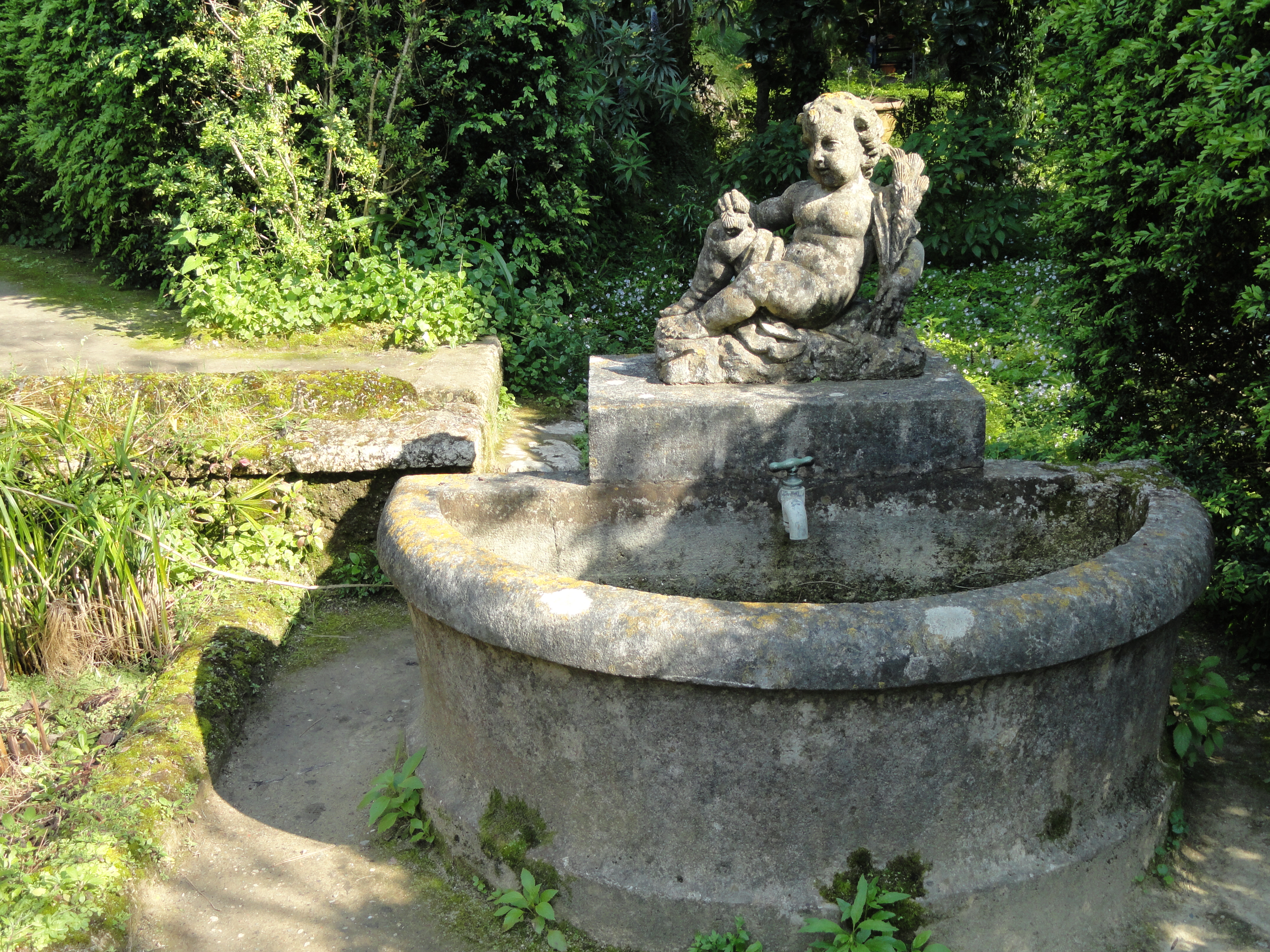
The gardens add another layer. Menton is known for exotic and citrus gardens because its mild coastal setting allowed collectors and growers to experiment. At the Palais Carnolès, the official visitor listing describes a public garden around the former summer residence of the Princes of Monaco with an exceptional citrus collection. At Serre de la Madone, Lawrence Johnston created a landscaped garden between 1924 and 1939, bringing rare plants from around the world into a cooler hillside refuge. These gardens are beautiful, but they also explain why Menton’s climate became a form of cultural infrastructure.
There are limits to the dream. The Fête du Citron, whose official site says it draws more than 250,000 visitors over more than 15 days, is vivid but crowded; the 2026 edition runs from 14 February to 1 March. Summer can make the old town hot and the beaches busy, and not every citrus-branded shop proves a direct link to local growers. A better visit is slower and more exact: walk the old town early, buy from traceable producers, treat gardens as living collections, and let the border light of Menton remain what it is — a small Riviera city where landscape, fruit and streets still explain one another.