Genetic and telomere testing can reshape pulmonary fibrosis care
For some people with pulmonary fibrosis, telomere length and gene-panel results can clarify inherited risk, prognosis, transplant planning and family counseling. The useful boundary is just as important: genetics informs specialist care, but it does not predict an individual future with certainty.
Mira Vale ·
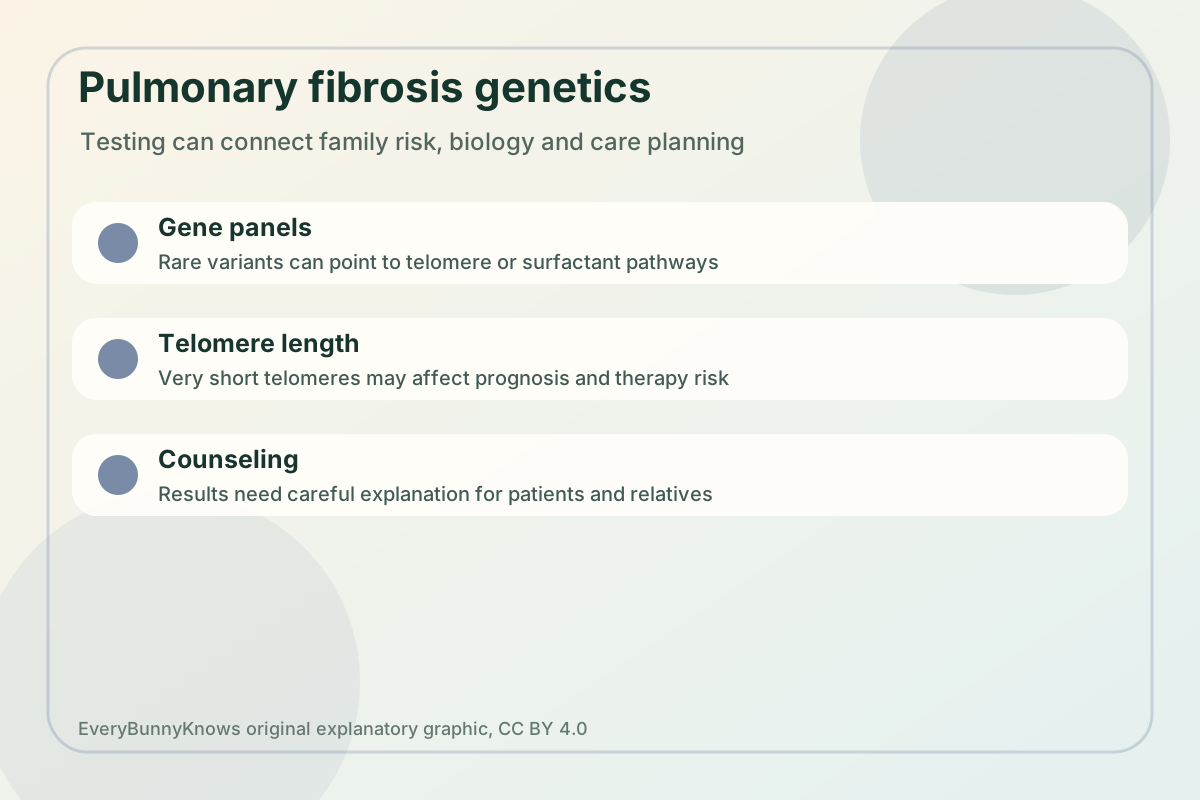
Pulmonary fibrosis sounds like one diagnosis, but the reasons lung tissue scars can differ sharply from one patient to another. Some cases follow environmental exposures or autoimmune disease. Others appear “idiopathic” until family history, age of onset, blood counts, liver findings or unusual sensitivity to medicines suggests an inherited pathway. That is why genetic testing and telomere-length evaluation are moving from research language into specialist pulmonary clinics, including work highlighted by Mayo Clinic investigators.
The most familiar inherited signal involves telomere biology. Telomeres are protective caps at chromosome ends that shorten as cells divide; maintenance genes such as TERT, TERC, RTEL1 and PARN help keep renewal possible. When telomeres are very short, the lung’s repair capacity may be reduced, and fibrosis can appear alongside bone-marrow, liver or immune features. Other rare variants, including surfactant-related genes, can also shape familial or early-onset interstitial lung disease.
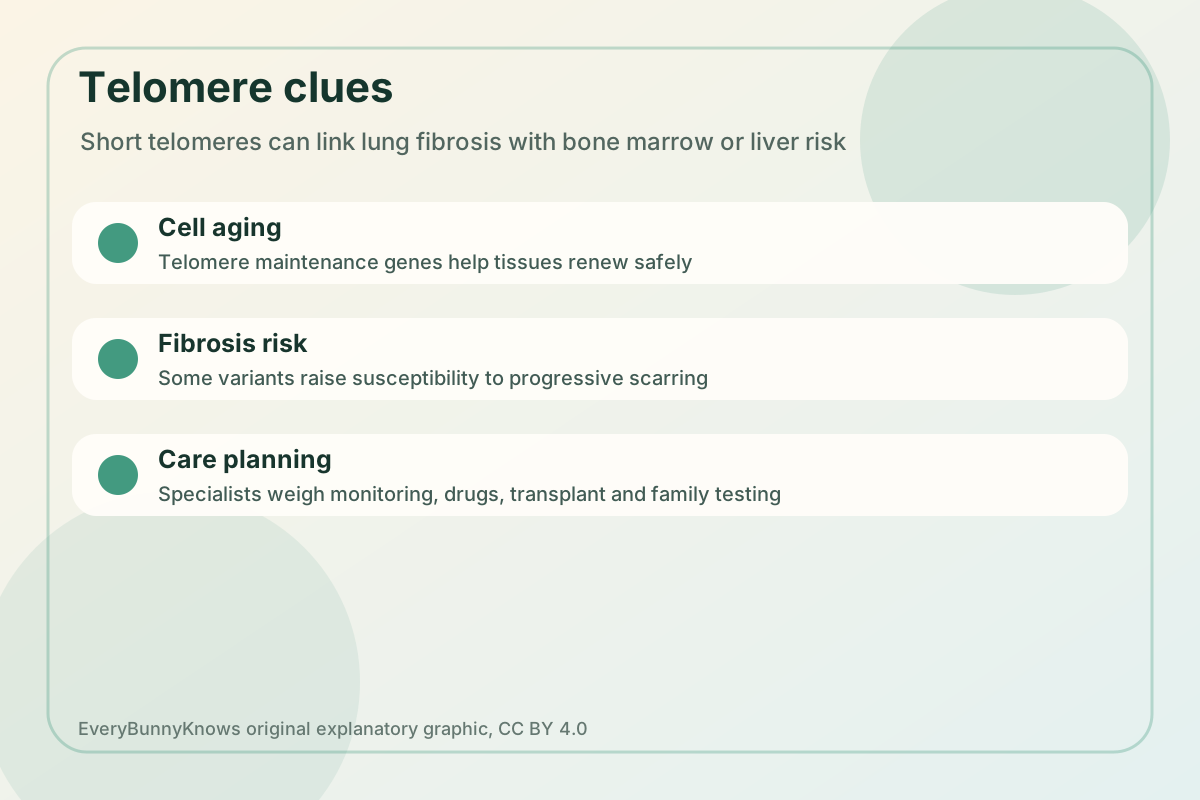
A genetic result can change a care plan without acting like a crystal ball. In practice, it may prompt clinicians to revisit a diagnosis, screen relatives through genetic counseling, avoid or monitor medicines that could be risky in short-telomere syndromes, plan transplant evaluation differently or explain why several family members developed related lung disease. Reviews in the American Journal of Respiratory and Critical Care Medicine and earlier hospital-based telomere testing studies have emphasized that rare variants and telomere length can add information beyond a CT scan or lung-function curve.
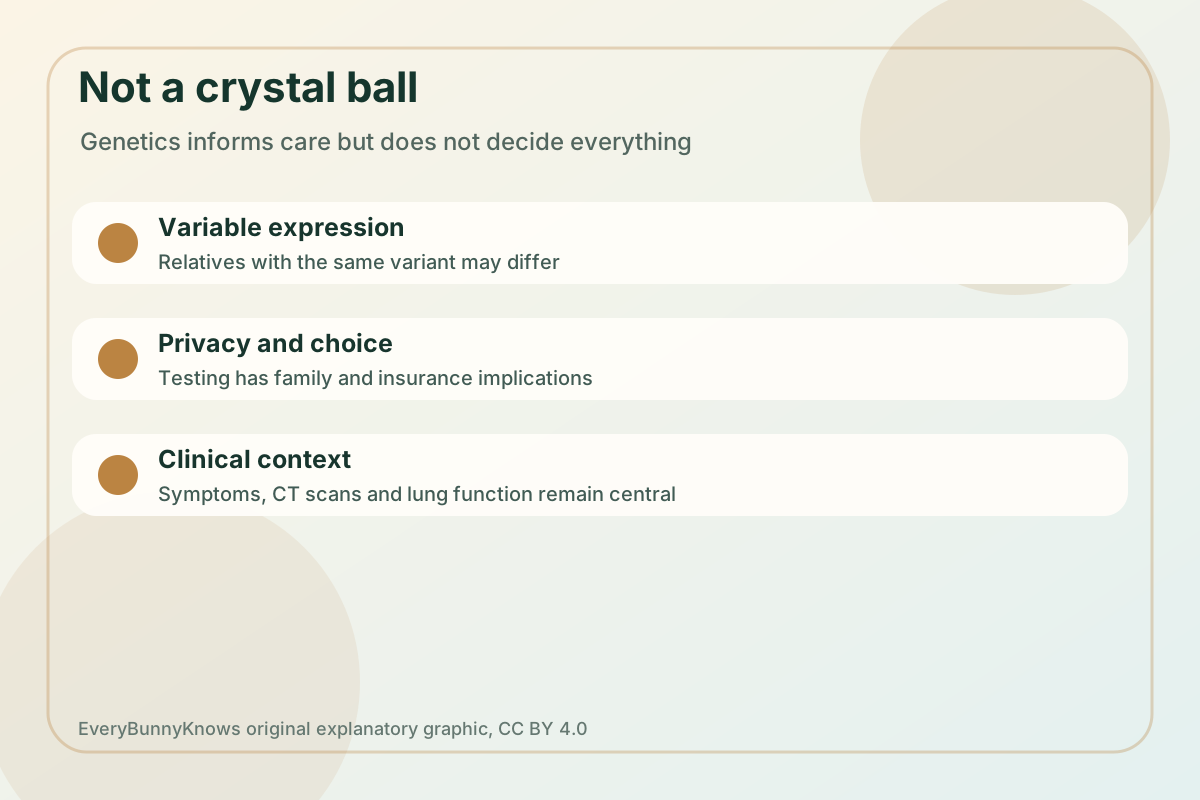
The boundary is central. Genetic testing is not a home risk calculator, and a variant is not the same as a guaranteed outcome. Some results are uncertain; some families carry a variant with very different expression among relatives. Testing can also raise privacy, emotional and insurance questions. For that reason, professional societies and expert reviews place counseling, informed consent and specialist interpretation at the center. The patient’s symptoms, high-resolution CT pattern, pulmonary-function tests, oxygen needs, exposures, medications and goals of care still matter.
The hopeful part is practical rather than dramatic. Better molecular classification can help clinicians stop treating “pulmonary fibrosis” as a single bucket and start asking which pathway is active in this person and this family. It can also make clinical trials cleaner by grouping patients whose disease biology is more similar.
The same information can be difficult because it belongs to families as well as to one chart. A result may matter for siblings or adult children, yet relatives may differ in whether they want to know. That is why genetic counseling is not an extra decoration; it is part of the safety system. It helps people understand uncertainty, possible next tests, family communication and the limits of privacy protections in their own health system. It also helps separate medically actionable findings from variants whose meaning may change as databases improve. A careful report should say what was tested, what was not tested and who can explain the result over time. For patients, the value is not certainty. It is a clearer conversation about risk, monitoring, transplant timing, family information and the limits of what medicine can responsibly know.