Cabo de Gata: Spain's Volcanic Desert by the Sea
Explore Europe's only true semi-desert, the Cabo de Gata-Níjar Natural Park in Almería, a protected volcanic field of stark beauty, white villages, and pristine Mediterranean waters.
Noah Circuit ·
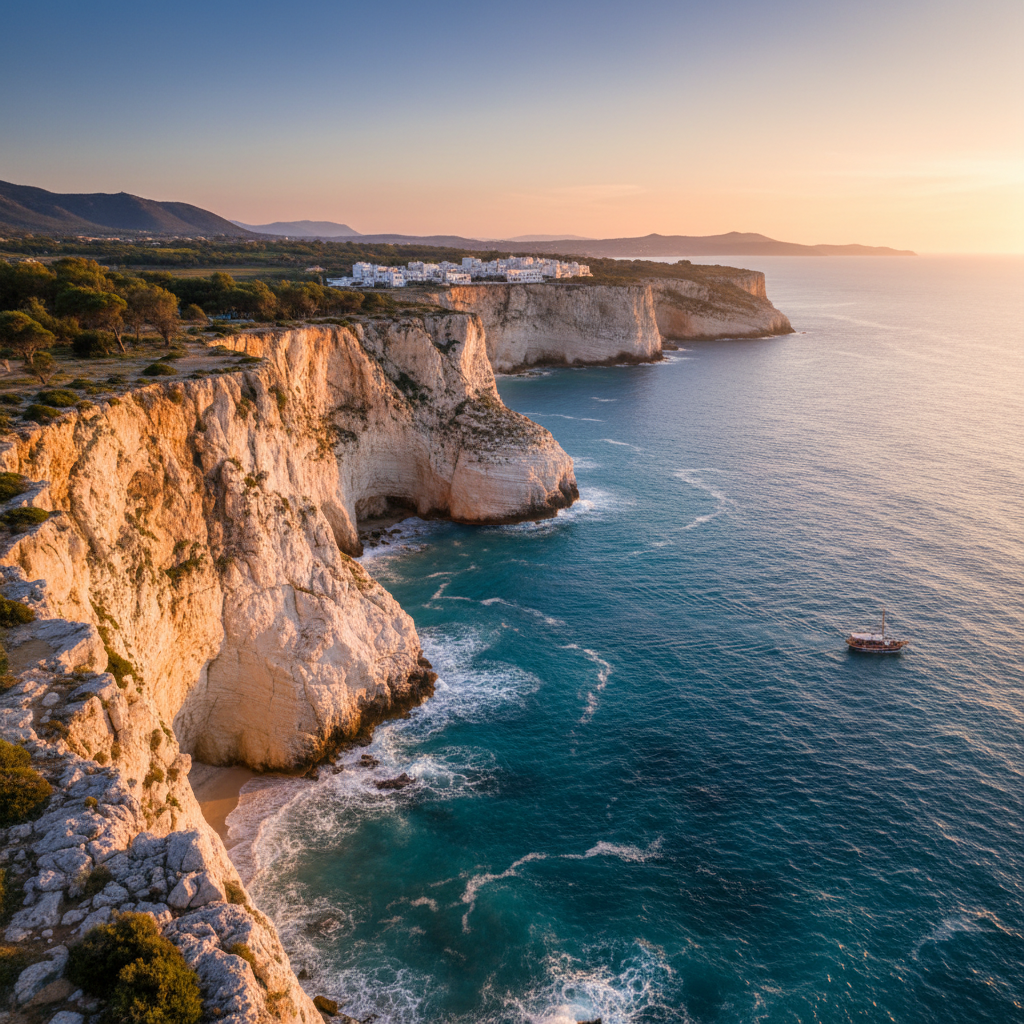
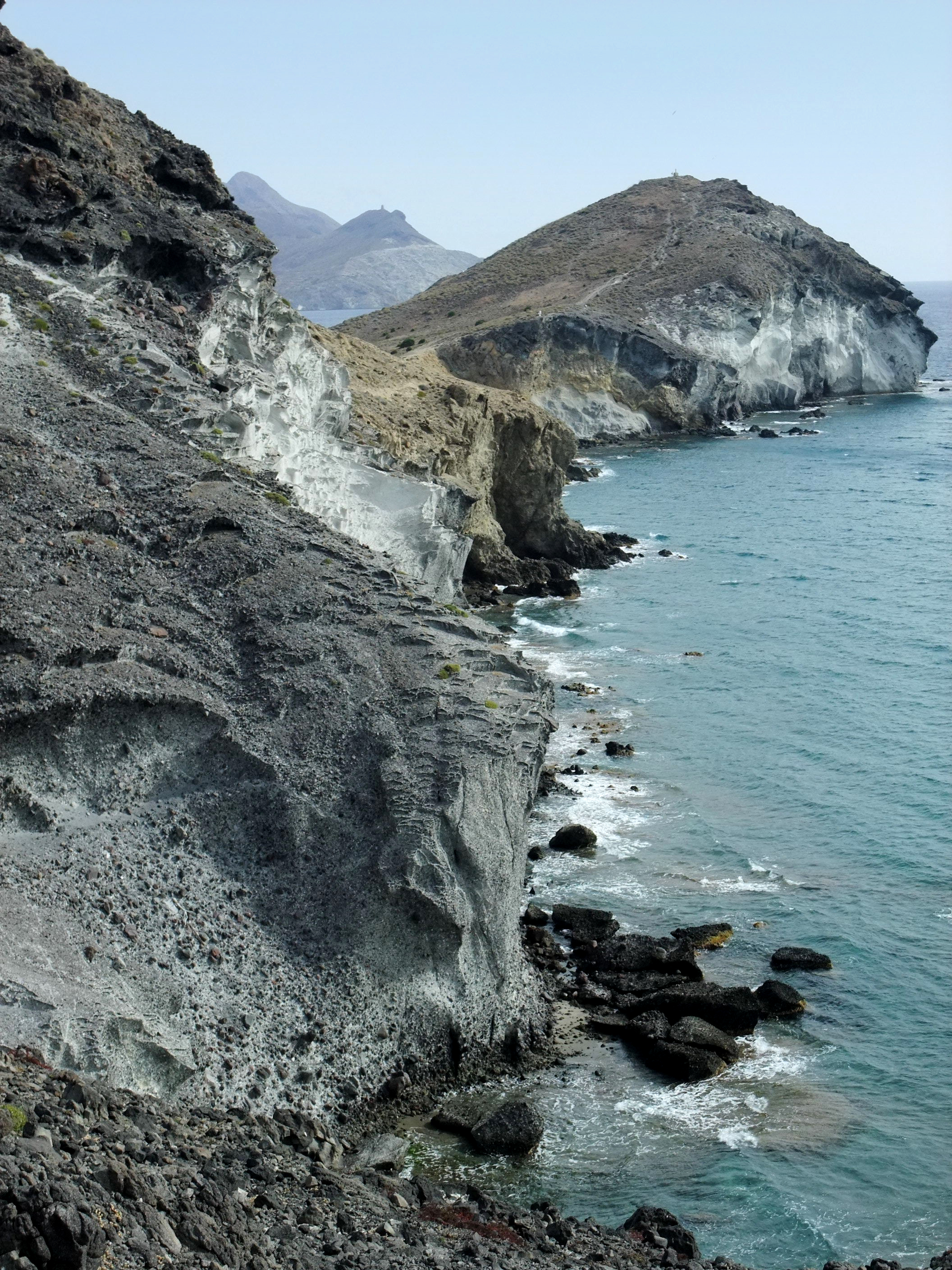
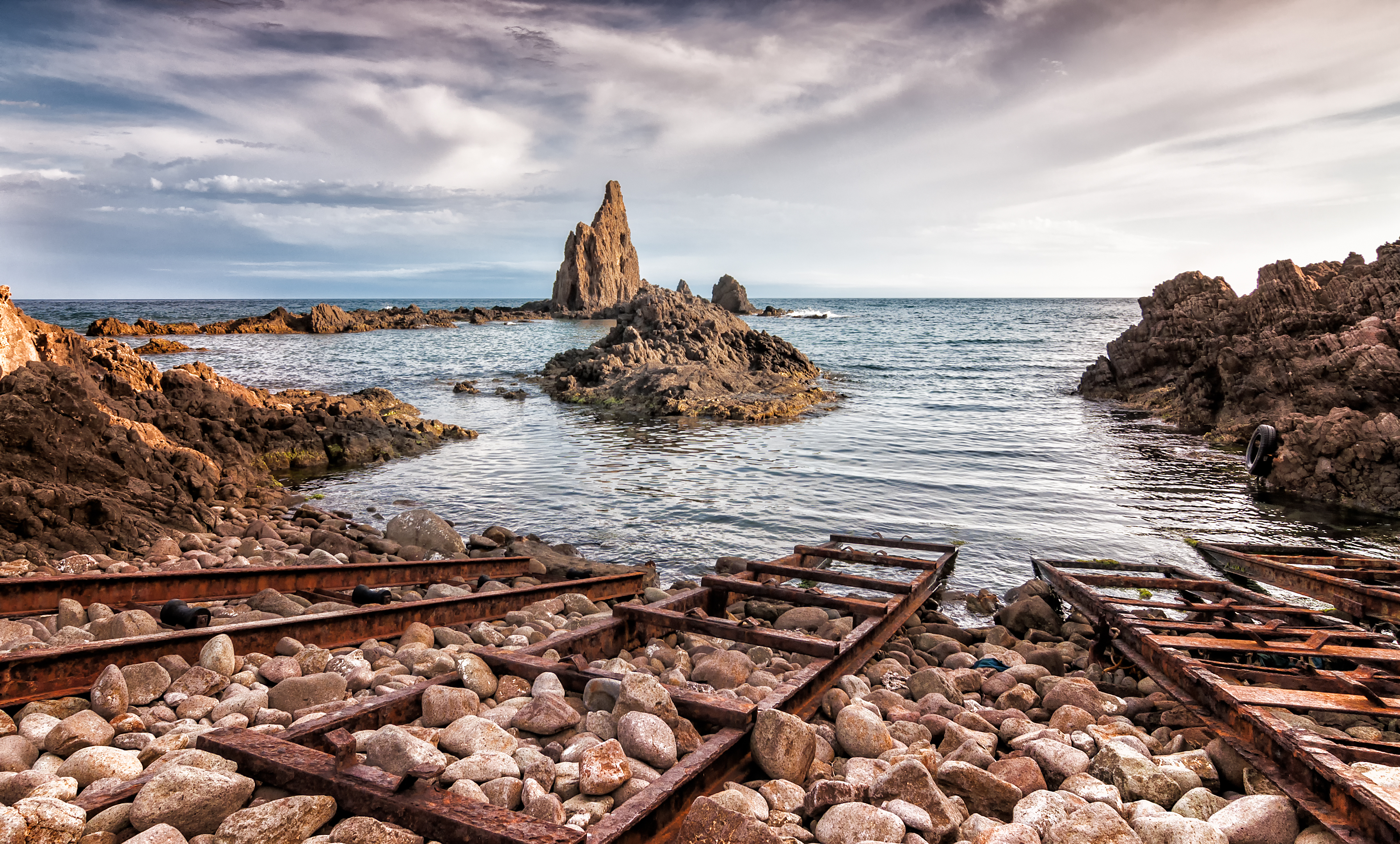
The air shimmers above the tarmac, a palpable heat rising from the sun-baked asphalt. To the east of Almería city, the landscape quickly sheds its agricultural veneer of plastic greenhouses and fields, transforming into something altogether more ancient and elemental. This is Cabo de Gata-Níjar Natural Park, a vast expanse of volcanic rock, scrubland, and some of the most pristine coastline in mainland Spain. Designated a UNESCO Global Geopark, it lays claim to being the only true semi-desert in Europe, a stark, dramatic rebuttal to the lush stereotypes of the continent. Here, the average annual rainfall hovers around 200mm, a figure more akin to arid regions of North Africa than the popular image of European Mediterranean. Driving through the park, the roadside offers a masterclass in adaptation. Agaves, with their sword-like leaves, stand sentinel beside prickly pears, their paddles studded with formidable spines. Dwarf palms, the only native palm to Europe, cling tenaciously to rocky outcrops. The very earth underfoot, or rather under tyre, is a history of ochre, burnt sienna, and charcoal, evidence of the ancient volcanic eruptions that shaped this terrain millions of years ago. Peaks like El Fraile, the highest point at 493 metres, are remnants of these colossal forces, eroded down over millennia to their present, defiant forms. The wind, often a constant companion here, sculpts the soft rock into otherworldly shapes, a natural artwork in slow motion. The human footprint, though light, is woven into the fabric of Cabo de Gata. Whitewashed villages like Agua Amarga, Las Negras, and Rodalquilar nestle into coves or valleys, their low-slung buildings a stark contrast to the brilliant blue of the sky and sea. These settlements were historically reliant on fishing or, in the case of Rodalquilar, mining. The abandoned gold mines of Rodalquilar, active until the 1960s, stand as ghostly monuments to a bygone era, their skeletal structures silhouetted against the setting sun. Today, tourism provides the main impetus, but it's a gentle, respectful kind of tourism, attracting those who seek solitude, natural beauty, and a tangible connection to the wilder side of Spain. This isn't the Spain of bustling resorts and all-inclusive packages; it's a place for hiking, kayaking, and quiet contemplation. One of the park's most compelling features is its coastline. Hidden coves with names like Cala de Enmedio and Playa de los Muertos (`Beach of the Dead`, a misleading moniker given its beauty) offer crystalline waters and a welcome respite from the intense summer heat. The volcanic origins mean dark, often pebbly beaches, but the clarity of the water is exceptional, teeming with marine life. Posidonia oceanica meadows, a protected seagrass species important to the Mediterranean ecosystem, flourish in these clean waters, acting as silent, underwater lungs for the sea. Snorkelling or diving here reveals a vibrant world of fish, octopuses, and intricate rock formations, evidence of the park's status as a marine reserve. The light in Cabo de Gata is legendary among photographers and artists. Its intensity and clarity, amplified by the lack of pollution and the reflective qualities of the land and sea, create a constantly shifting palette of colours. Sunrises over the Mediterranean are fiery spectacles, painting the sky in hues of orange, pink, and purple, while sunsets often cast long, dramatic shadows across the rugged landscape. It's a place where the stars, too, seem to burn brighter. Indeed, the region is one of the few places in Europe where light pollution is minimal enough to truly appreciate [the Iberian night sky](/article/geo-iberian-night-sky) in its full, unadulterated glory. This profound clarity extends to the very air, lending an almost three-dimensional quality to the distant mountains and the shimmering horizon. The flora and fauna of the park are a lesson in resilience. Though seemingly barren, the semi-desert supports a surprising diversity of life. Birdwatchers flock here, especially during migration seasons, to spot flamingos in the salt pans near Las Salinas, or various birds of prey circling the thermals above the ancient volcanoes. Reptiles scuttle amongst the rocks, and a myriad of insects thrive in the unique microclimates. The resilience of life in such an extreme environment is a powerful reminder of nature’s enduring ability to adapt and flourish against the odds. It’s a harsh beauty, perhaps, but one that rewards careful observation and a willingness to embrace the silence and vastness. Beyond its natural wonders, Cabo de Gata offers a glimpse into a simpler, slower way of life. The rhythm here is dictated by the sun and the sea. Time seems to stretch, allowing for long walks along deserted beaches, leisurely al fresco meals featuring freshly caught seafood, and evenings spent under a canopy of stars. The park is not just a geographical curiosity; it is a profound experience, a place where one can connect with the raw, untamed essence of the Mediterranean. It speaks of ancient histories, both geological and human, and offers a quiet antidote to the hustle of modern life. In a world increasingly seeking sustainable solutions, the natural ingenuity of places like Cabo de Gata holds valuable lessons, reminding us that even the most stark environments can flourish with the right balance – a balance that perhaps extends even to [sand batteries heating Finnish towns](/article/tech-sand-batteries-finland) in their own stark, cold beauty, demonstrating innovative approaches to energy storage born of their unique challenges.