Cinque Terre's Vertical Vineyards: A Testament to Human Ingenuity
The Cinque Terre’s dramatic coastline, where vineyards cling to precipitous slopes, tells a story of relentless human effort against the formidable Ligurian Sea. This ancient landscape is evidence of sustainable viticulture.
Owen Pike ·
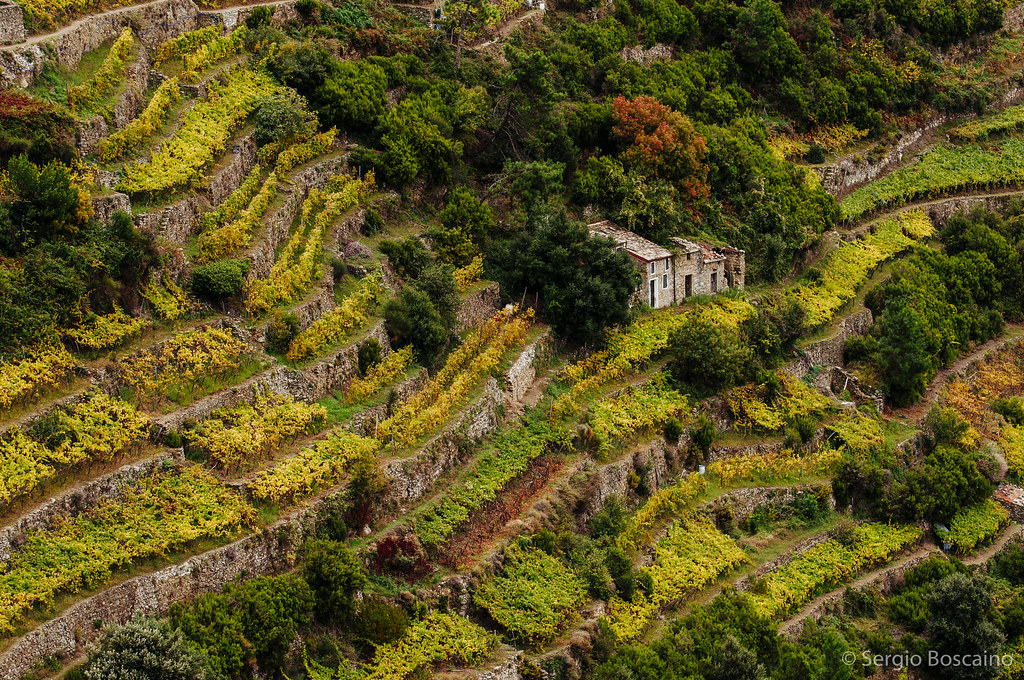
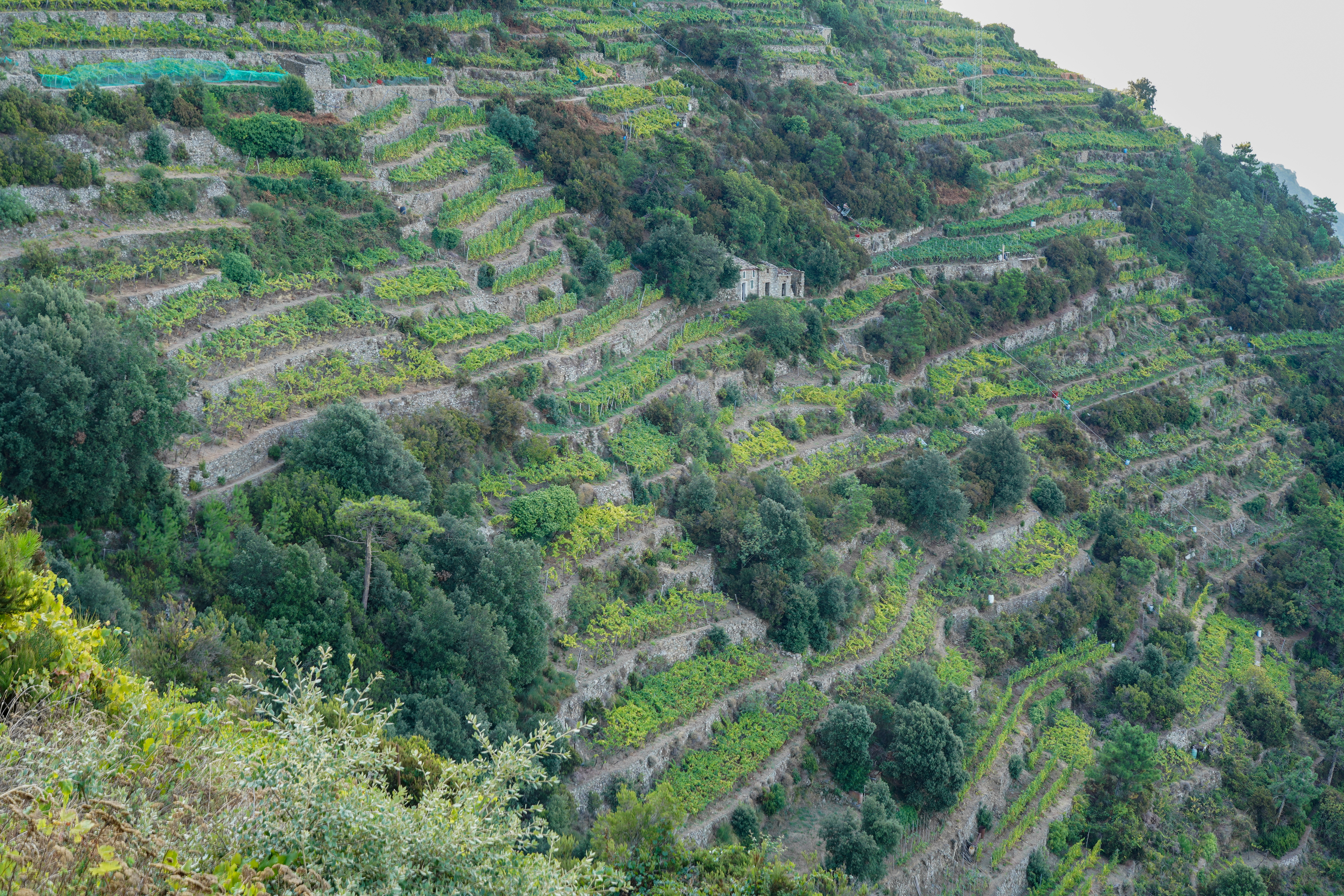
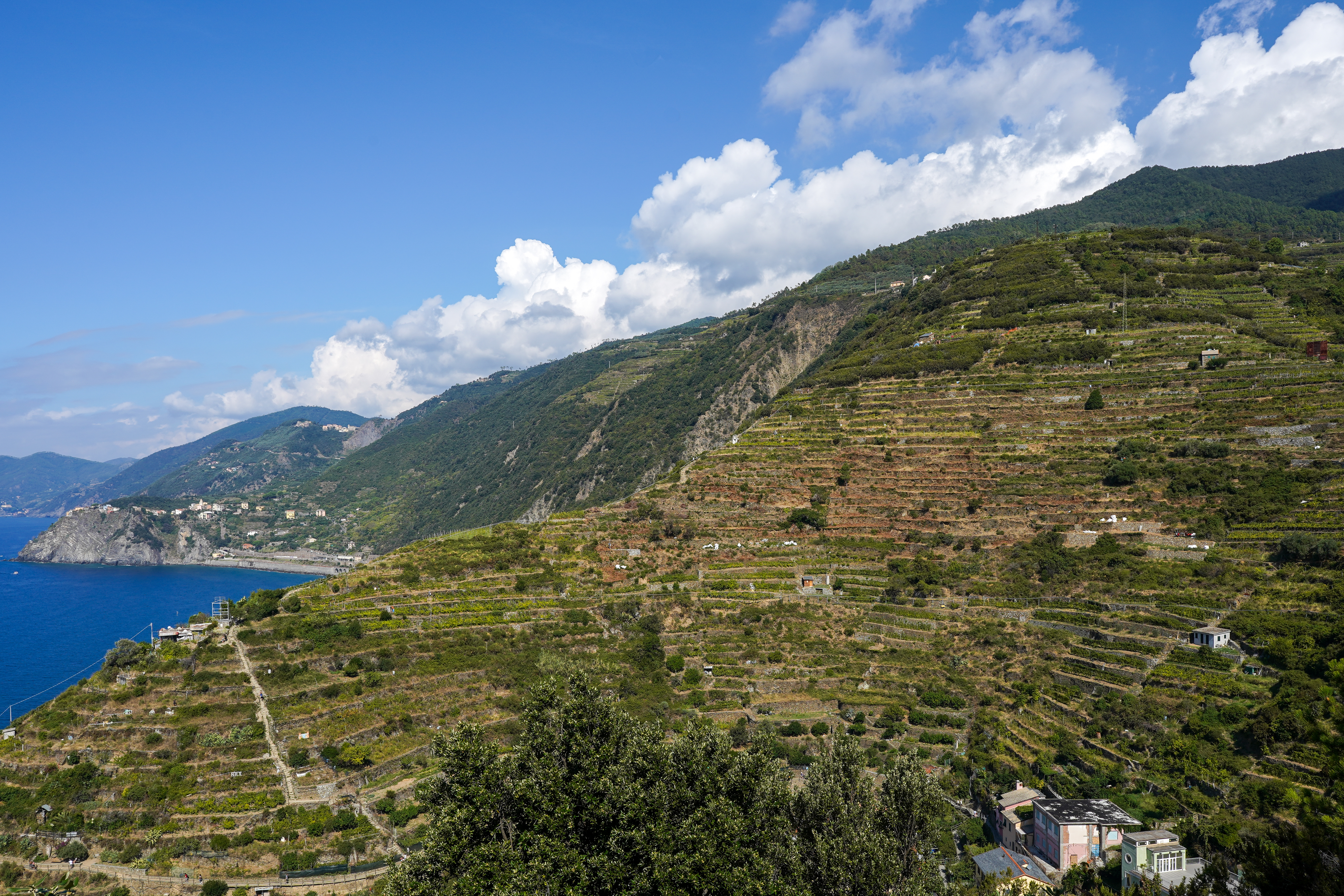
The train emerges from another tunnel, spitting us out into the improbable dazzle of Vernazza. Below, the harbour pulses with the bright primary colours of fishing boats, their nets drying in the afternoon sun. Above, however, is where the real drama unfolds: a dizzying history of green, a thousand shades of vine clinging precariously to slopes that seem to defy gravity. These are the vertical vineyards of the Cinque Terre, an extraordinary feat of human will etched into the very fabric of the Ligurian landscape, evidence of centuries of arduous labour and an intimate understanding of this unforgiving terrain. For over a thousand years, generations of farmers have painstakingly carved these terraces from the rock, a process that continues today. It’s estimated that the dry-stone walls, built without mortar and held together by sheer compressive force, stretch for over 10,000 kilometres across the Cinque Terre. To put that in perspective, that’s roughly the distance from London to Tokyo. Each stone is placed with purpose, an act of defiance against the relentless advance of erosion and the hungry maw of the sea. These walls are not just agricultural architecture; they are the very sinews of this landscape, holding back not only the fertile topsoil but also the memory of a way of life that prizes persistence above all else. Walking the Sentiero Azzurro, the blue path that snakes its way between the five villages, offers glimpses into this ancient practice. Here, you might see an elderly farmer, his face weathered like the very stones he tends, carrying a basket of grapes on his back, ascending a near-vertical path. There are no roads here, no mechanisation possible in these impossible gradients. Everything – from the planting of new vines to the harvest – is done by hand. It’s a profound connection to the land, an almost spiritual relationship that is rarely seen in the industrialised agriculture of the modern world. The Ligurian sea air, salty and invigorating, permeates everything, lending a distinctive character to the wines produced here. The grape varieties cultivated on these terraces are primarily Bosco, Albarola, and Vermentino, creating crisp, aromatic white wines that perfectly complement the region’s seafood-rich diet. The famed Sciacchetrà, a sweet dessert wine, is made from grapes left to dry on racks, concentrating their sugars and flavours into a golden elixir. These wines are expensive, a direct reflection of the immense human effort required to produce them. Each bottle carries with it the ghosts of a thousand sun-drenched harvests and the whisper of the Ligurian winds that buffet these exposed slopes. But the terraces are more than just vineyards. They are an intricate ecosystem, supporting a biodiversity that thrives in this unique environment. Wild herbs like rosemary and thyme cling to the rocks, their fragrant oils released by the persistent sun. Olives and citrus trees also find purchase in sheltered nooks, their silver-green leaves contrasting with the darker hues of the vines. Protecting this ecosystem is paramount, not only for the agricultural output but for the very stability of the cliffs themselves. Without the continuous maintenance of these walls, the entire landscape would succumb to landslides and disappear into the sea, taking with it a unique cultural heritage. This diligent maintenance and traditional practices connect in some ways to communities famed for their longevity, such as those found throughout [Sardinia's Blue Zone Villages: A Glimpse into Longevity](/article/geo-sardinia-blue-zone-villages). The future of these vertical vineyards is a delicate balance. Young people are increasingly drawn to the easier opportunities of urban life, leaving fewer hands to tend to the arduous work of the terraces. Yet, there is a renewed appreciation for these traditional practices, a recognition of their sustainable nature and the unparalleled quality of their produce. Conservation efforts are underway, often involving volunteers from around the world who come to learn the ancient art of dry-stone wall building. This global collaboration helps to preserve an agricultural heritage that is as much about community and resilience as it is about wine. The challenge remains significant, a constant battle against the elements and the lure of modernity. But standing on a terrace, gazing out at the vast expanse of the Mediterranean, with the scent of salty air and ripening grapes in the air, one feels a profound sense of continuity. The rhythmic crash of the waves far below provides a constant soundtrack to this enduring human endeavour. It is a place where time seems to slow, where the rhythm of nature dictated by the sun and the sea still largely governs daily life. And just as our physical environment profoundly affects our well-being and health, so too does our inner landscape, a notion explored further when considering [The Gut's Quiet Counsel: How Our Second Brain Shapes Our Mood](/article/medicine-gut-second-brain-mood). The Cinque Terre’s vertical vineyards are more than just a place to grow grapes; they are a living museum, a monument to human ingenuity and perseverance. They remind us that some of the greatest achievements are not found in grand constructions, but in the patient, repetitive acts of maintaining a delicate balance with nature, one stone, one vine, one generation at a time. They are a powerful symbol of what can be achieved when humanity works in harmony with, rather than against, the natural world, creating beauty and bounty in the most unlikely of places.