The Unstraightened River: Munich's Isar Finds Its Way Home
For a century, the Isar River was a concrete channel. Now, a massive rewilding project is teaching a city how to live with a river that remembers its wild heart.
Owen Pike ·
For most of the 20th century, the Isar River flowed through Munich like a prisoner. Confined within steep concrete walls and forced into a rigidly straight channel, it was a model of industrial efficiency—a tool for flood control and gravel extraction, but hardly a river. Its water was cold and swift, its bed uniform and sterile. The city had turned its back on the river, treating it as a utility corridor rather than a living artery. But a river remembers. Beneath the concrete and the careful engineering, the Isar’s alpine spirit persisted. In 2000, Munich embarked on a radical and ambitious project: to set the river free. The Isar Plan was one of Europe’s largest urban river restoration projects, a deliberate act of un-engineering. Over eleven years and across eight kilometers of the city, the concrete corsets were broken, the channel was widened, and the river was invited to find its own way again. The transformation is a quiet miracle of ecological design. Where once there was a monotonous canal, there is now a dynamic, braided riverscape. The current, slowed and spread out, has deposited gravel and sediment, creating new islands and shallow banks that shift with the seasons. The uniform banks have been replaced with gentle slopes and tiered terraces, planted with native willows and wildflowers. The water is cleaner, the ecosystem richer. More profoundly, the city’s relationship with its river has been reborn. On any given summer day, the new gravel banks are Munich’s favorite beach. Thousands of people come to swim in the cool, clear water, to barbecue with friends, to lie in the sun. Children splash in the shallow side channels, and kayakers navigate the gentle rapids. The river is no longer a feature to be observed from a bridge; it is a space to be inhabited, a shared public living room that breathes with the pulse of the city. The project was not without its challenges. It required a immense philosophical shift, from a paradigm of *controlling* nature to one of *collaborating* with it. Engineers had to learn to think like a river, predicting where it might want to meander and giving it the space to do so safely. It is evidence of the idea that urban infrastructure and ecological health are not mutually exclusive. A wild river in a city is a constant, gentle reminder that not everything is built by us, and that sometimes the most sophisticated design is the one that allows for a little bit of chaos. To walk along the restored Isar today is to witness a landscape healing itself. It is to see a city that chose to embrace its river not as a problem to be managed, but as a gift to be cherished. The Isar’s journey home is a powerful lesson in how we can make our cities more resilient, more beautiful, and more alive, simply by making a little more room for the wild.
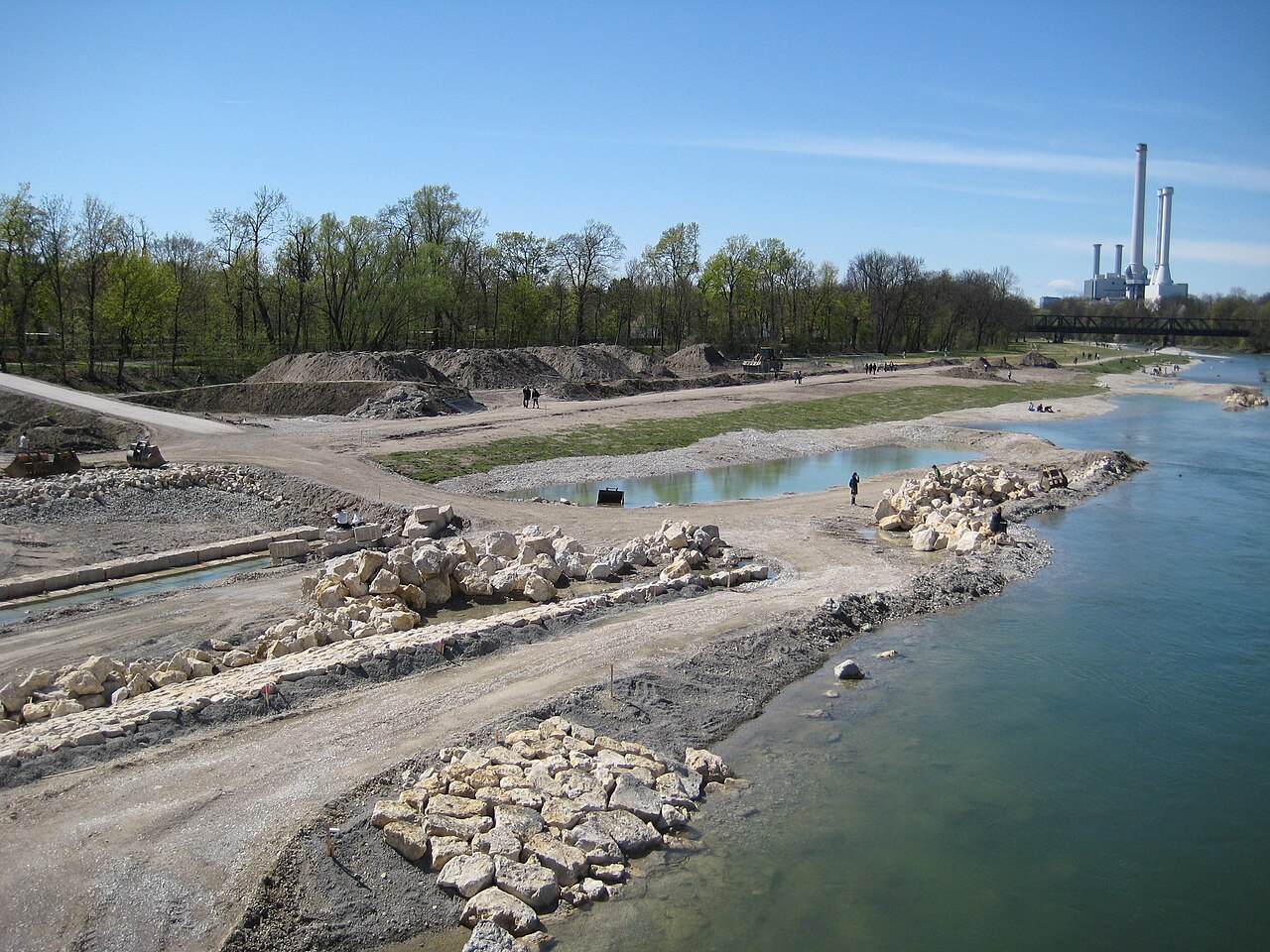
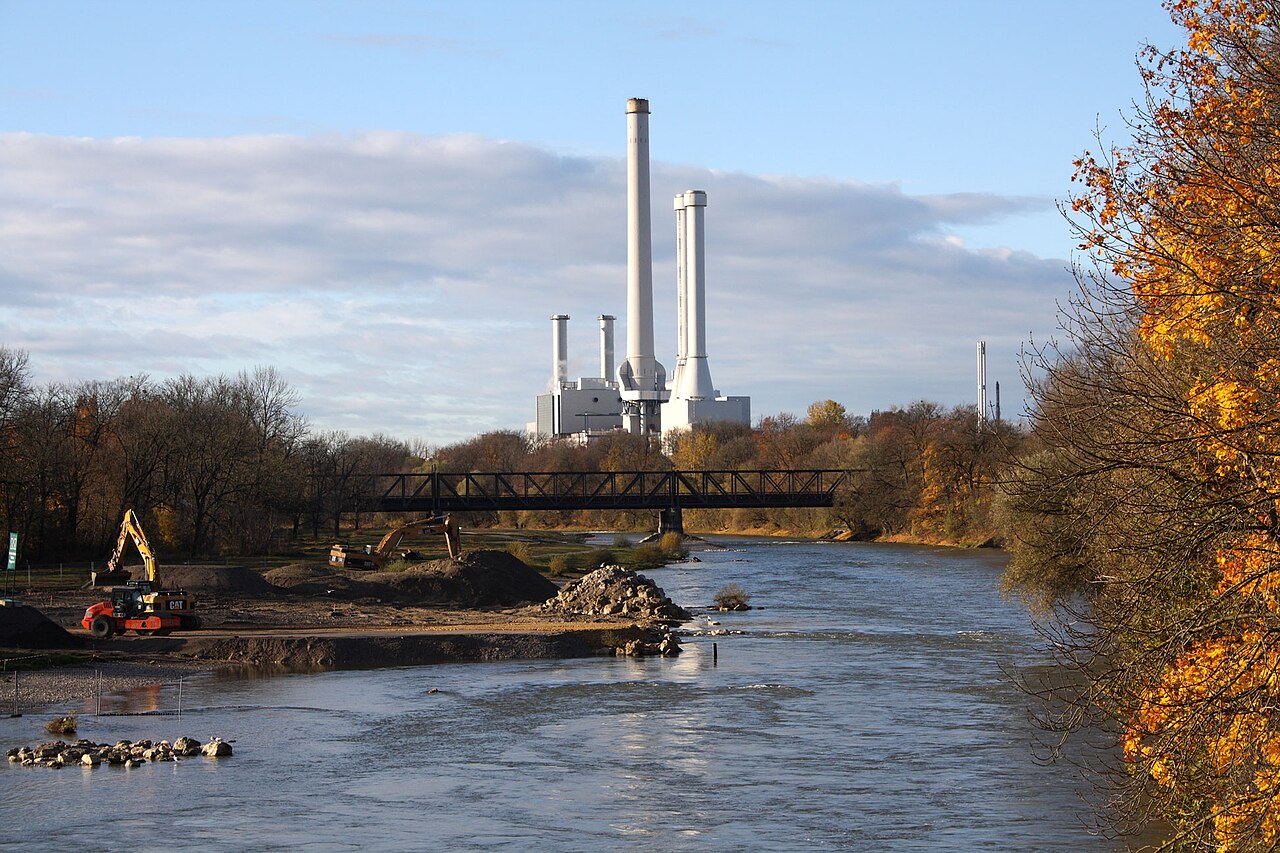
The practical mechanism is not simply that concrete was removed. Engineers kept flood safety in view while giving the river room to sort gravel, split flow around bars and create shallow edges where plants and people could return. The result is still managed geography: weirs, warning systems and maintenance remain part of the plan. But compared with a narrow channel, a wider braided corridor can slow water locally, offer more habitat and make the river legible as a living Alpine system inside the city.