Matera: From Ancient Shame to UNESCO's Crown Jewel
Matera, a city carved into the rock of southern Italy, has transformed from a symbol of poverty into a UNESCO World Heritage site, drawing visitors to its ancient Sassi districts.
Mira Vale ·
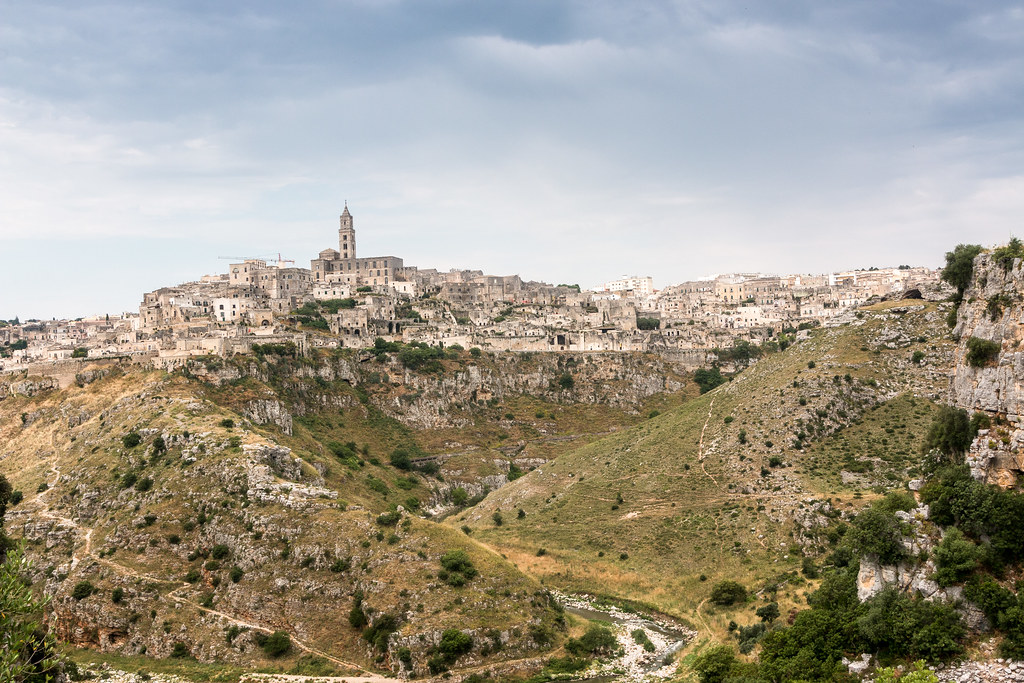
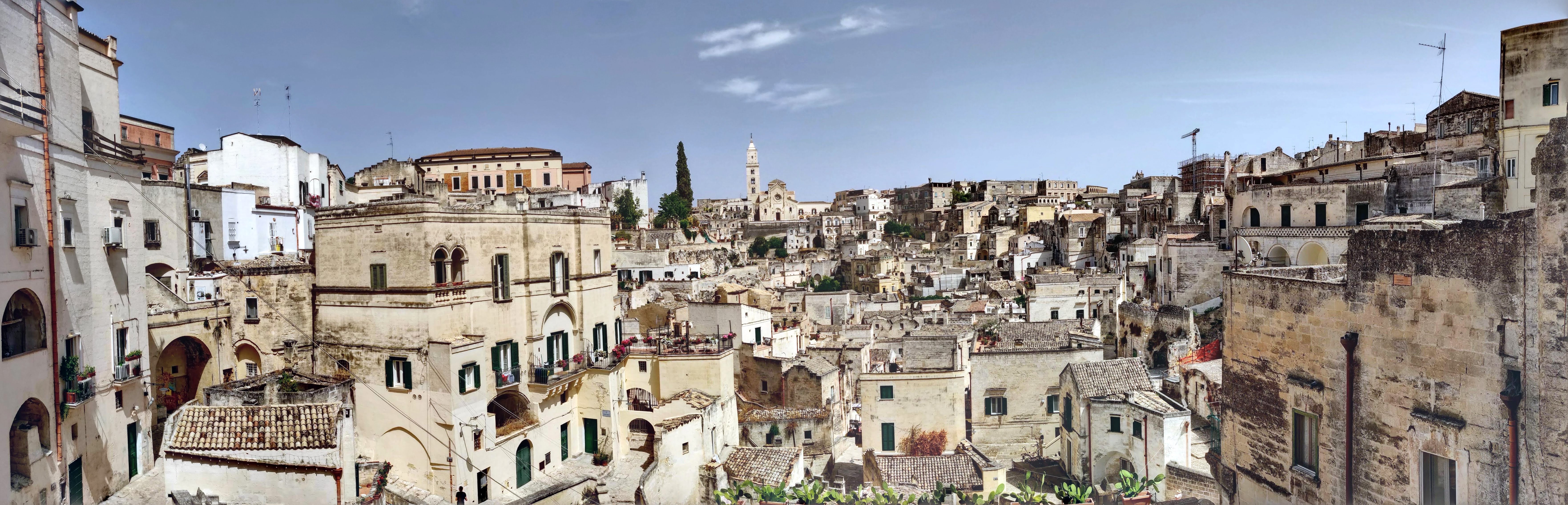
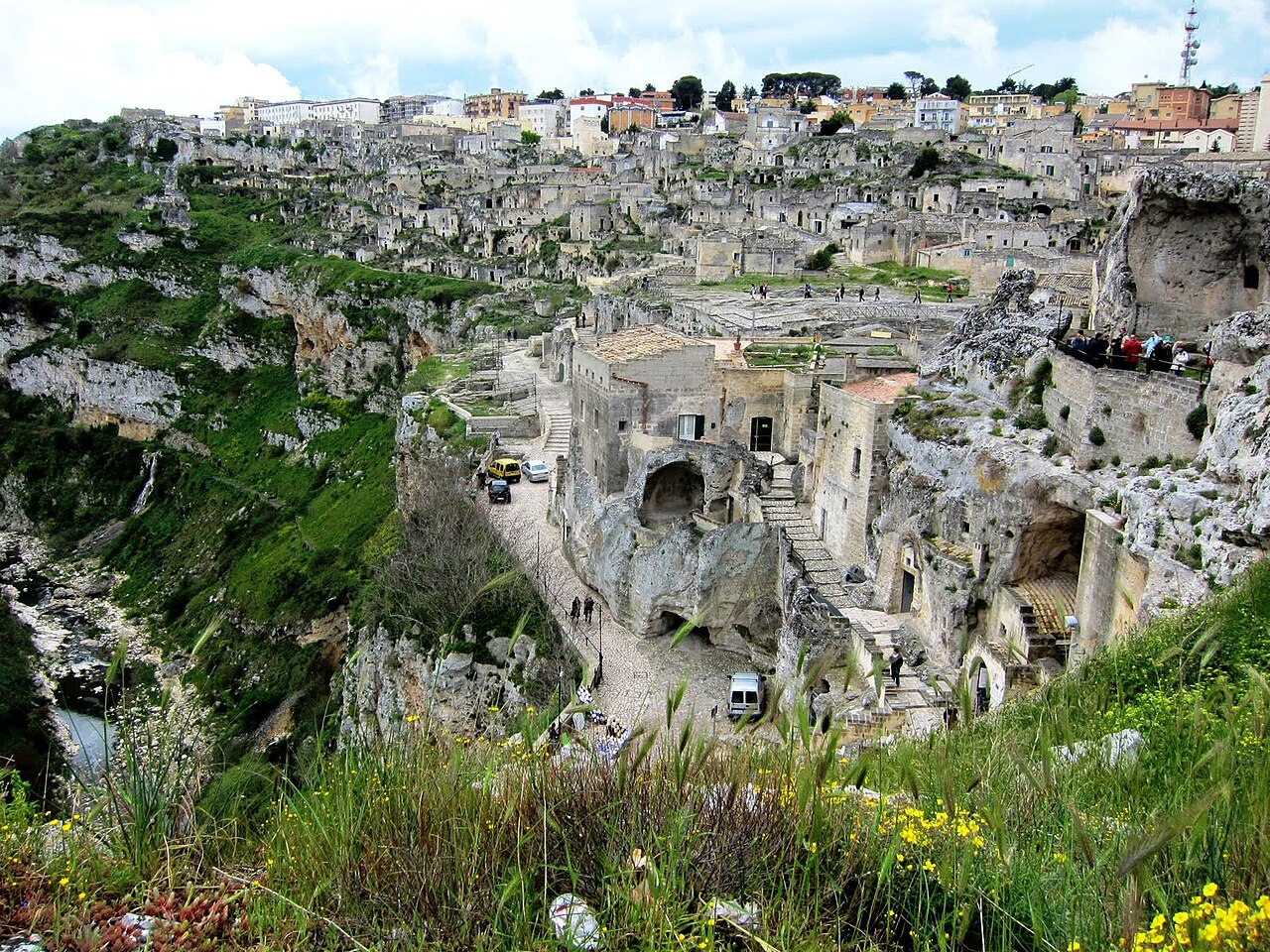
The air in Matera carries a peculiar quality, a dry, mineral scent that hints at the very fabric of the city: tufa. From above, especially as dusk settles, the Sassi, Matera's ancient cave dwellings, appear as a tumble of pale stone, a cascading labyrinth of homes, churches, and staircases that cling precariously to the ravines. It's a vista that feels more ancient than many of Europe's grandest capitals, a place where time seems less a linear progression and more a layered accumulation, each stratum revealing another chapter of human endeavour and resilience. Yet, for much of the 20th century, these very dwellings, now so coveted by tourists and film crews, were a source of national shame. They were a symbol of Italy's deep south, of chronic poverty, disease, and a way of life deemed primitive by the modern state. Children often played barefoot amidst open sewers, and families shared their cramped, unventilated grottoes with livestock. Carlo Levi's Christ Stopped at Eboli, published in 1945, brought the grim reality of Matera to a wider audience, painting a poignant picture of a land forgotten by progress. His stark descriptions galvanised public opinion, leading to a forced evacuation of the Sassi in the 1950s, with residents relocated to newly built, modern housing on the plateau above. The caves, once bustling with life, fell silent. For decades, they remained largely abandoned, a ghost town within a living city. Only a few hardy souls, often those too old or too stubborn to leave, remained in the depths of the old town, keeping a flicker of the ancient spirit alive. But then, slowly, a new narrative began to emerge. Artists, intellectuals, and forward-thinking entrepreneurs began to see not squalor, but potential. They saw the unique architectural heritage, the profound sense of place, and the sheer audacity of a city carved not just into, but *out of* the earth itself. The 1980s saw the first tentative steps towards rehabilitation, with small-scale restoration projects breathing life back into individual cave dwellings. By 1993, the transformation had gained significant momentum, culminating in UNESCO's decision to designate the Sassi and the Park of the Rupestrian Churches as a World Heritage site. This declaration was a monumental turning point, recognising Matera's unique status as "the most outstanding, intact example of a troglodyte settlement in the Mediterranean region." It legitimised the city's past, transforming its ancient shame into a badge of honor. Today, Matera buzzes with a renewed energy. Boutique hotels occupy former cave homes, their interiors tastefully renovated to blend rustic charm with modern comfort. Restaurants serve regional specialities in subterranean settings, their cool, stone walls offering respite from the summer sun. Artisans craft local goods in workshops carved into the rock, continuing a centuries-old tradition. The city has become a living museum, yet it remains undeniably alive, its residents a mix of old families who have returned to their ancestral homes and newcomers drawn by its unique allure. Walking through the Sassi is an experience akin to stepping back in time, each narrow alleyway and steep staircase revealing another hidden courtyard or panoramic view. The light, particularly at dawn and dusk, plays across the honey-coloured stone, creating dramatic shadows and shows that shift with every hour. It's easy to get lost, but delightfully so, as every turn brings a new discovery, a new perspective on this extraordinary place. Beyond the immediate charm, Matera also offers a deeper philosophical reflection on human adaptability and our relationship with the natural world. The ingenuity of its early inhabitants, their ability to sculpt shelter and community from the very bedrock, speaks volumes about human resilience. They understood the earth not as an obstacle to be overcome, but as a partner in creation, a provider of both sustenance and sanctuary. As visitors wander its labyrinthine paths, they might consider other unique geographical formations that have shaped human history, such as [Lefkada: The Greek Island That Almost Isn't One](/article/geo-lefkada-ionian-island), another example of how geography dictates development and culture. Matera’s journey is a powerful evidence of the idea that places, like people, can undergo profound metamorphoses. From being famously depicted as a place where Christ himself never arrived, it has emerged as a beacon of cultural heritage, evidence of sustainable development, and a vibrant hub for creativity and tourism. It’s a city that defied its ignominious past, not by erasing it, but by embracing it, allowing its deep roots to become the very foundation of its remarkable rebirth. This embracing of unique local heritage is a theme echoed in various parts of the world, from intricate urban planning to the silent infrastructure that connects us all, much like [How Undersea Cables Are Quietly Bending the Shape of the Internet](/article/tech-undersea-cables-bend-internet). In Matera, the caves no longer whisper of poverty but hum with life, a symphony of past and present, a continuous narrative etched in stone.