Southern Italy’s quieter coast is not forgotten; it is unevenly connected
Calabria, Basilicata and the Ionian coast show a Mediterranean geography of narrow corridors, ageing towns, erosion, migration, seasonal tourism and patient repair.
Klára Novák ·
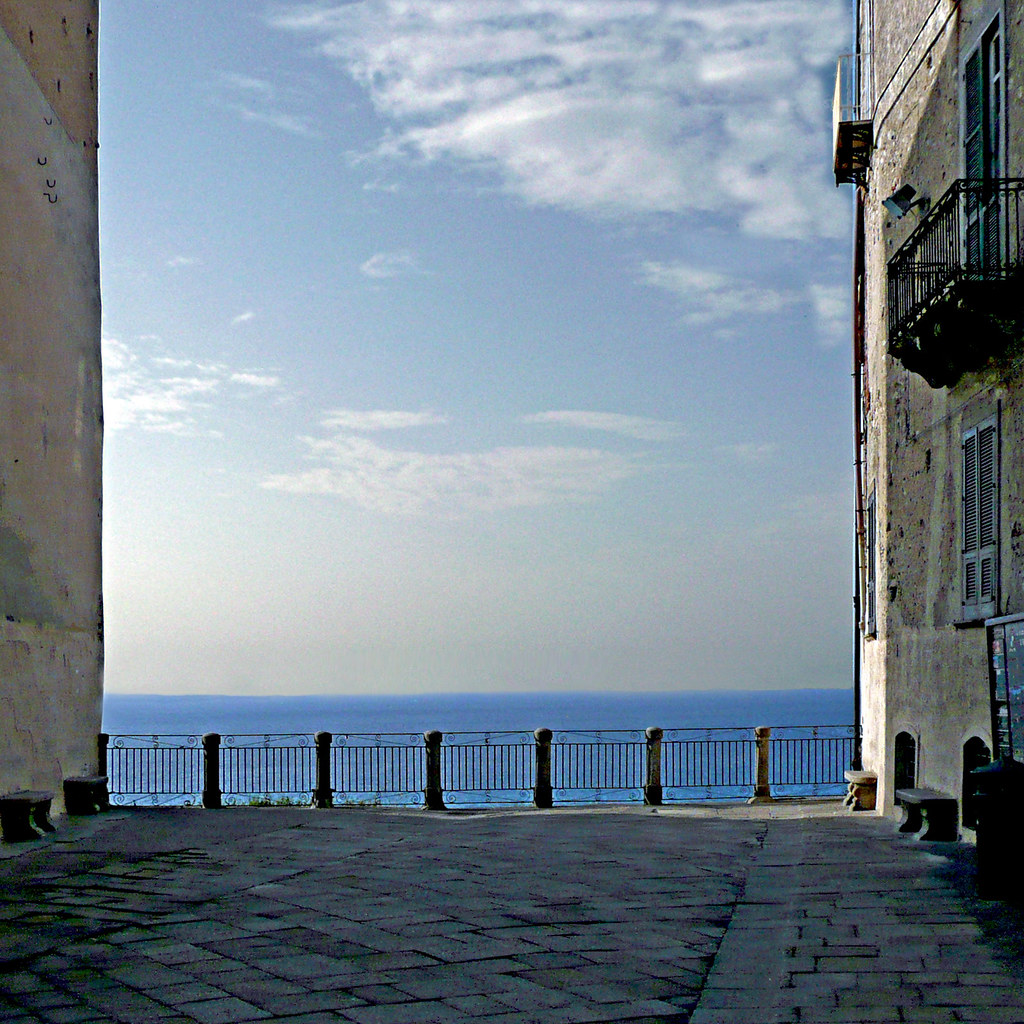
Calling parts of southern Italy’s coast “forgotten” can be useful only if the word is handled carefully. Calabria, Basilicata and stretches of the Ionian shore are not empty margins of the Mediterranean. They are lived-in landscapes where mountains press close to the sea, railways and roads follow narrow coastal corridors, older hill towns look down toward newer beach settlements, and public services often have to cover difficult terrain with limited budgets. The issue is not absence. It is uneven connection.

The physical geography is compressed. In many places the coastal plain is thin, so transport lines, hotels, fishing ports, river mouths and housing all compete for a small band of buildable land. Behind that band, steep slopes and inland villages record a different history: agriculture, pastoral routes, emigration, abandoned houses and families that keep links to more than one place. A beach town may be crowded in August and quiet in January, while a hill village may have more memory than jobs. The coast and the interior cannot be understood separately.
That is why decline is only one part of the story. Southern Italy has real structural problems: youth outmigration, ageing populations, weaker rail links in some areas, wildfire risk, erosion, water stress and slower investment than richer northern regions. But it also has assets that do not fit a simple “left behind” label: strong food cultures, small harbours, historic centres, monastic landscapes, languages and dialects, walking routes, renewable-energy debates and return projects by people restoring houses or starting seasonal businesses.

The mechanism linking these facts is seasonality. Summer tourism can bring income without creating stable year-round services. A municipality may need to maintain roads, beaches, waste systems and water supply for a peak population much larger than its winter one. Erosion or a flash flood can then expose the weakness of infrastructure that looked adequate during quieter months. Climate change makes the gap sharper, with hotter summers, more intense rainfall episodes, drought stress and fire seasons that strain small administrations.
Migration adds another layer. Many southern towns have long sent people north or abroad, yet some places now receive new residents, foreign workers, retirees, artists or descendants returning to family houses. These movements can help revive schools, trades and empty streets, but they do not automatically solve inequality. If restoration becomes only a picturesque real-estate story, local labour, transport and services may remain fragile. If it is tied to schools, health care, public transport and local food economies, the coast becomes more than a summer view.
The hopeful reading is therefore practical rather than romantic. Southern Italy’s quieter coast does not need to be rediscovered as if no one already knew it. It needs patient connection: between sea and hill town, visitor economy and permanent services, heritage and ordinary maintenance, climate adaptation and local work. Its geography teaches that a coast can be beautiful and vulnerable for the same reason: everything important is close together. The measure of success is not whether the shore becomes the next fashionable itinerary, but whether people can stay through winter, reach schools and clinics, repair old centres and meet the sea without turning every fragile edge into a short-season product.