Gestational diabetes and type 2 diabetes share genetic clues — but genes are not destiny
A Nature Communications genetics study links gestational diabetes and type 2 diabetes through shared susceptibility genes and tissue-specific mechanisms. The result supports careful follow-up after pregnancy, while underscoring that genetics is only one part of risk.
Sofia Lane ·
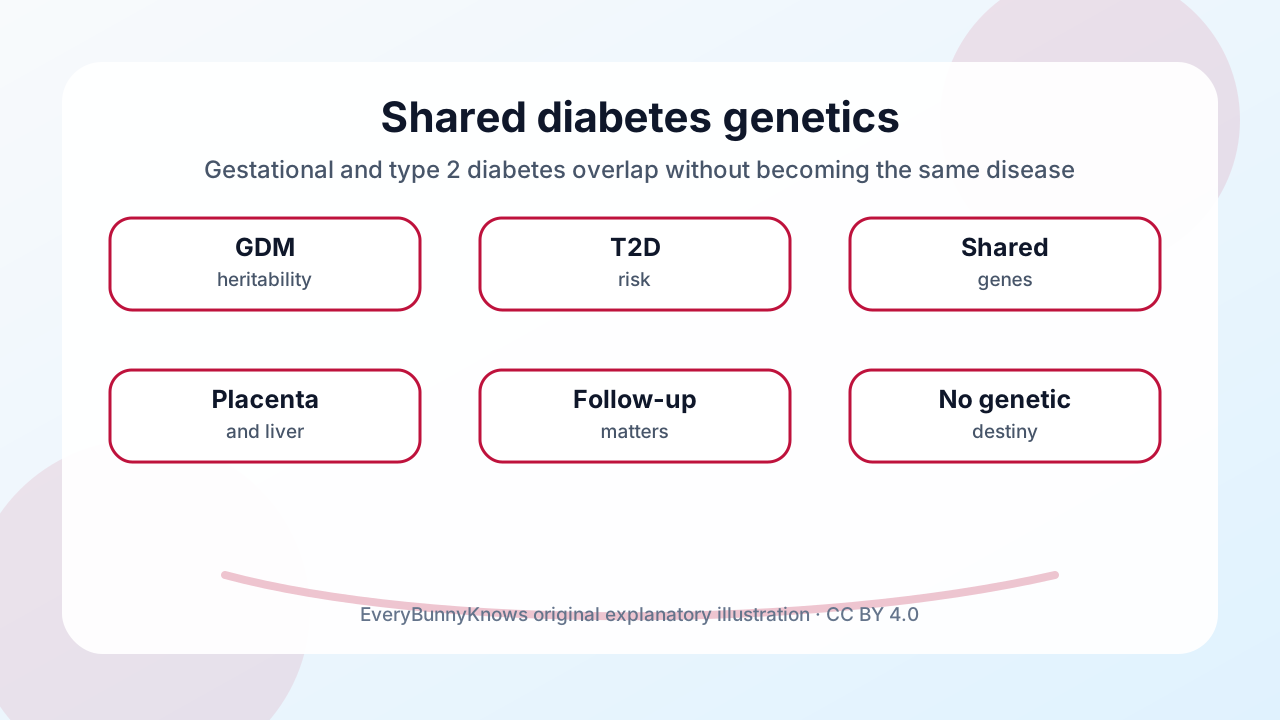
Gestational diabetes is often introduced as a temporary complication of pregnancy, but genetics is making that description look incomplete. A Nature Communications study by Liwan Fu, Xiaodi Han, Yuquan Wang and Yue-Qing Hu examined the relationship between gestational diabetes mellitus and type 2 diabetes using large-scale genetic and transcriptomic methods. Its central message is careful: the two conditions share biological pathways, yet pregnancy, environment, access to care and life after birth still matter enormously.
The study began from a well-known clinical observation. People who develop gestational diabetes have a higher later risk of type 2 diabetes, and the condition has a heritable component. To move beyond observation, the researchers used tools including genetic correlation analysis, transcriptome-wide association approaches, Functional Summary-based Imputation, Mendelian randomization and colocalization. Drawing on resources such as FinnGen R11 and GTEx, they searched for genes and tissues that may connect risk in pregnancy with risk outside pregnancy.
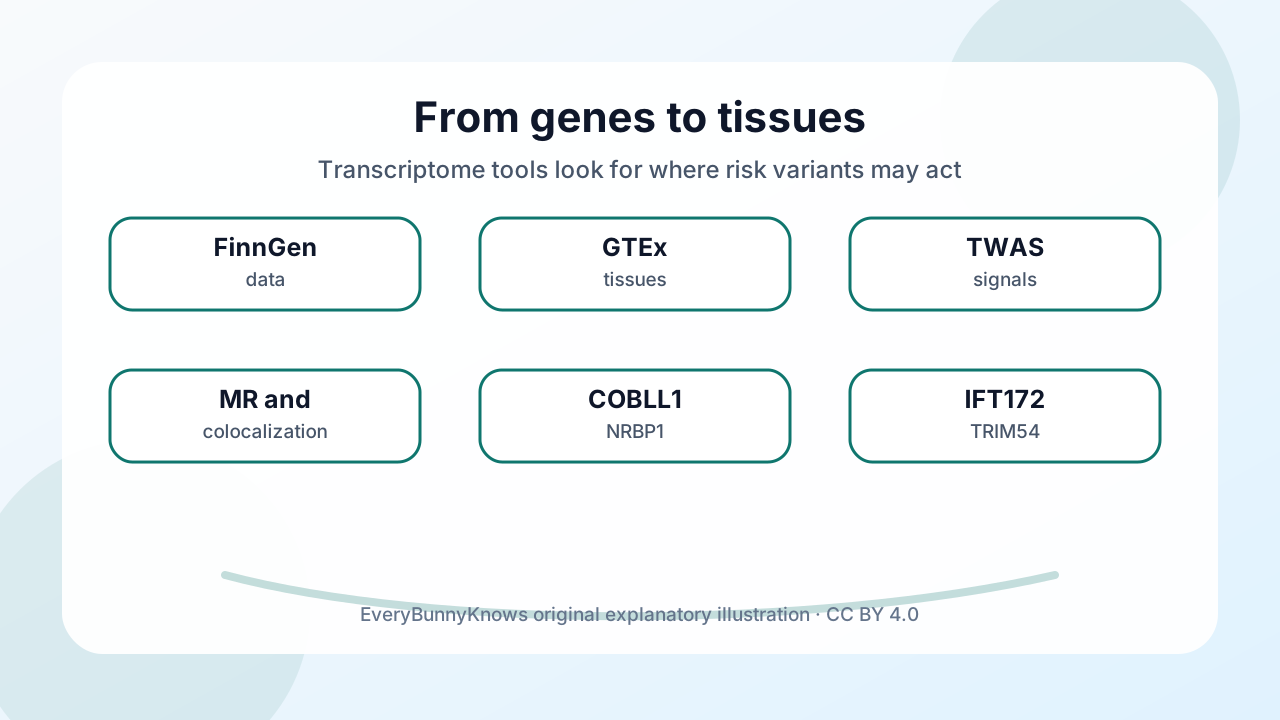
The paper reported five susceptibility genes for gestational diabetes and 97 for type 2 diabetes, with four shared genes standing out: COBLL1, NRBP1, IFT172 and TRIM54. The authors proposed mechanisms that fit known metabolic biology. COBLL1 may influence actin filament regulation and chemical-response pathways; NRBP1 may have protective links with insulin secretion; IFT172 may connect to energy-balance signaling; and TRIM54 may matter in skeletal-muscle metabolism. These are not household names, but they help turn “shared risk” into a map of tissues and cellular processes.
The public-health value is not that anyone can read their destiny from four genes. It is that gestational diabetes can be understood as a metabolic warning light. After pregnancy, follow-up screening and prevention support are recommended in many clinical guidelines because risk can persist after blood glucose returns to normal. Genetics helps explain why that risk may be deeply rooted for some people, while also showing why blame is the wrong frame.
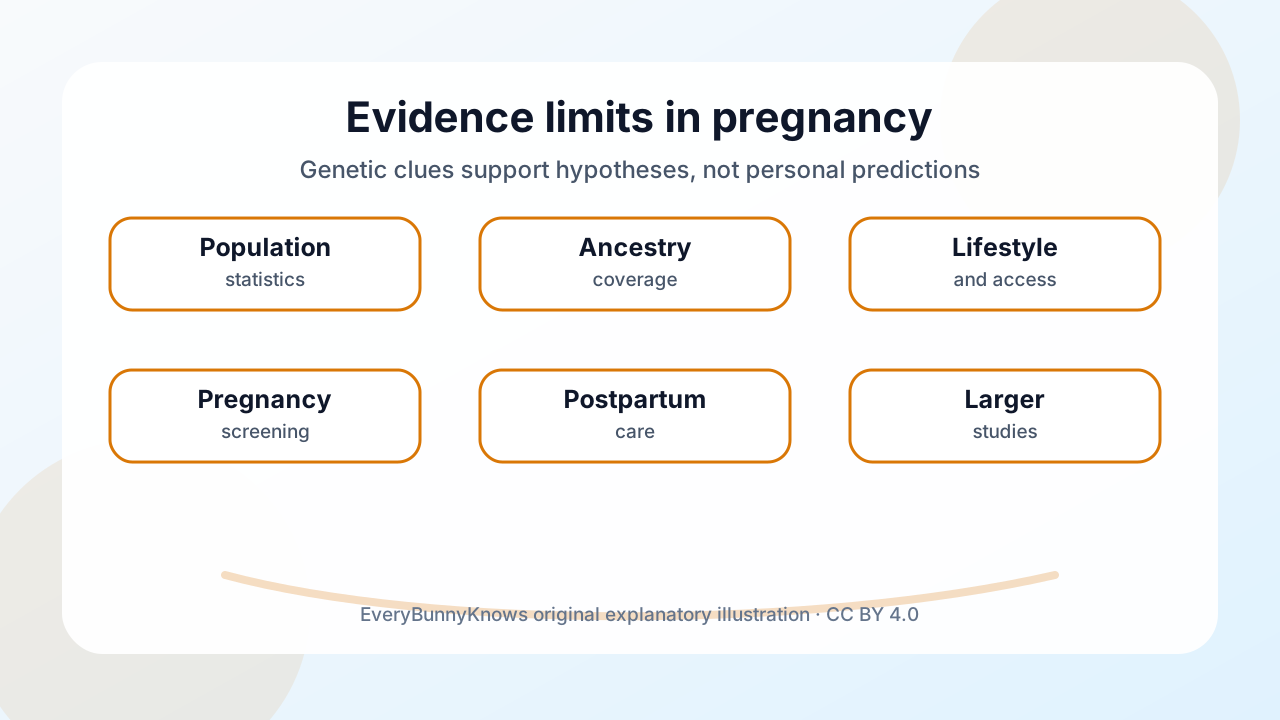
The limits are essential. Genetic association does not prove that a single variant causes disease in an individual. Datasets differ by ancestry, health-system access and diagnostic practices, and pregnancy itself changes metabolism in ways that are not identical to later-life diabetes. The study points to candidate mechanisms and possible pharmacological targets, but it does not provide a clinical test or treatment decision for a pregnant person.
A better reading is humane and precise. Gestational diabetes deserves prompt medical management during pregnancy and continuing attention afterward, but it should not be treated as a moral verdict about diet or character. Genes, placenta, pancreas, muscle, liver, sleep, food environments, stress, poverty and access to care all interact. The hopeful part of the research is that sharper biology can support kinder follow-up: more targeted surveillance, better postpartum pathways and prevention programs that recognize risk without turning risk into blame.