Hoi An: lanterns, river houses, tailors and the food of a trading port
Hoi An’s lantern streets make sense when you start with its protected trading-port fabric: timber houses, clan halls, the Japanese Bridge, tailoring workshops and food shaped by river and sea routes.
Mira Vale ·
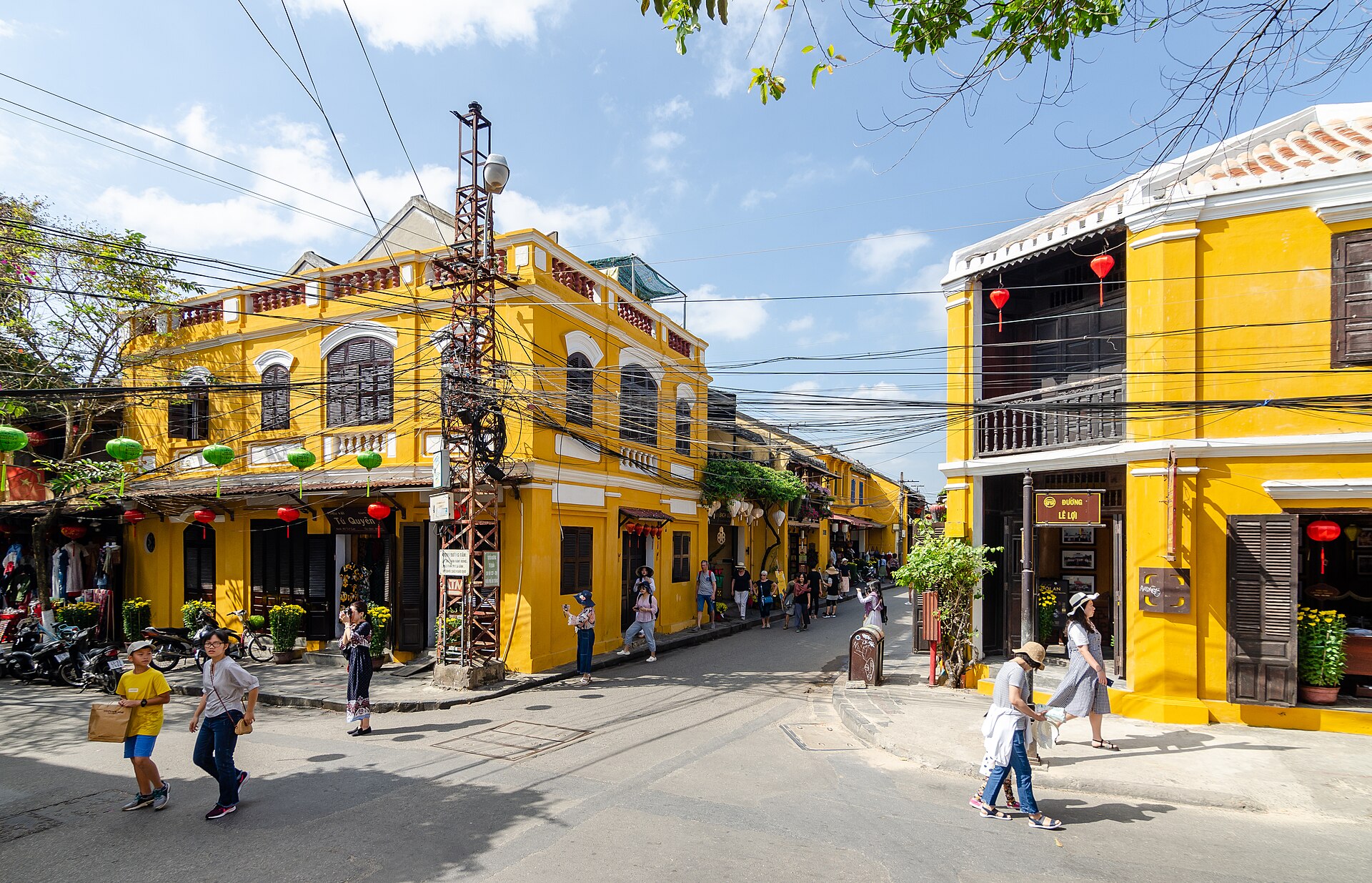
Hoi An is often introduced by lanterns, but the softer light is only the surface of a much older trading town. The historic centre lies near the Thu Bon River in central Vietnam and was listed by UNESCO in 1999 as an exceptionally preserved Southeast Asian trading port. Its timber houses, assembly halls, temples, market streets and covered bridge record centuries of exchange between Vietnamese, Chinese, Japanese and later European merchants. The town is beautiful at night, but it is more interesting when the night scene is connected to that commercial and domestic structure.
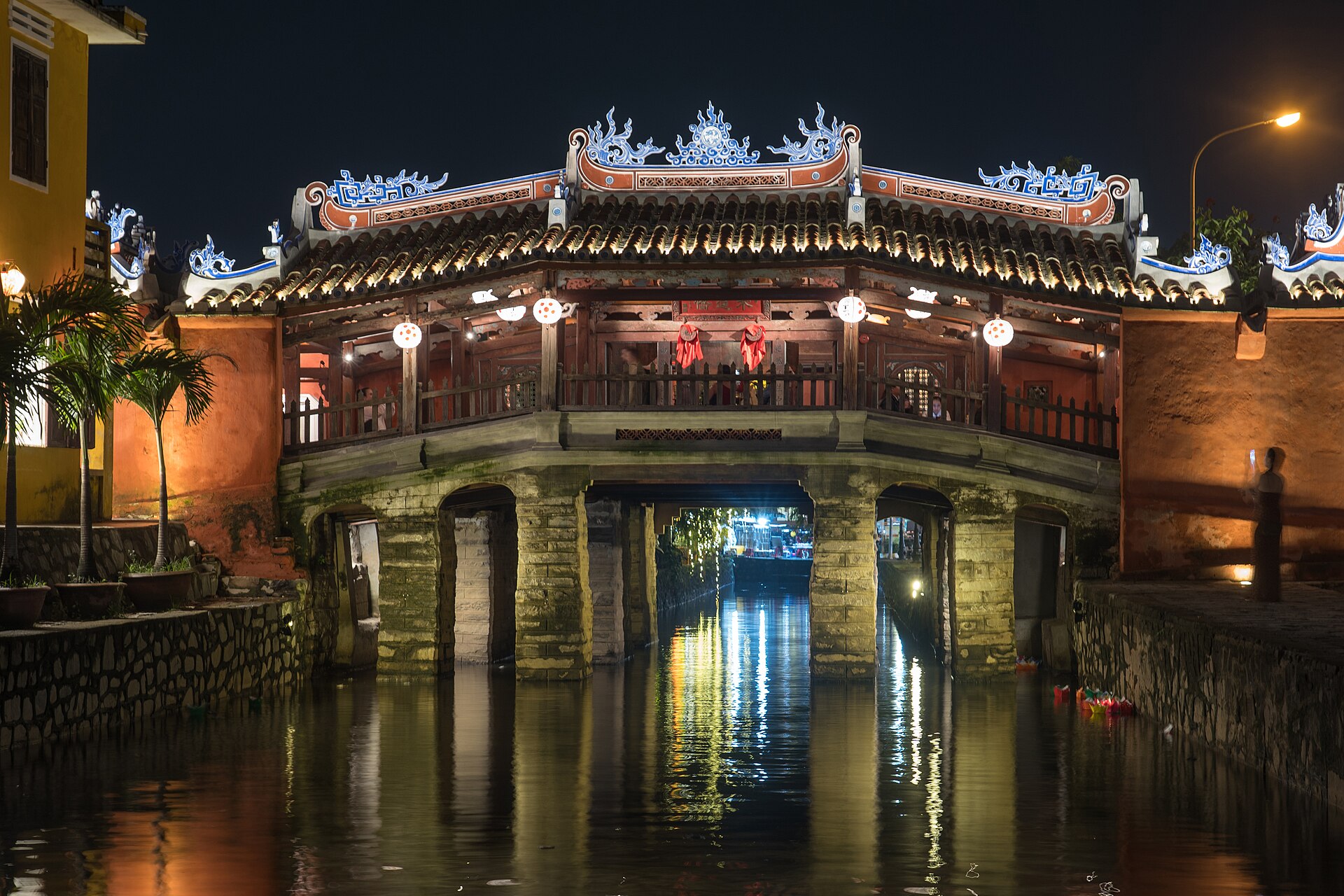
The Japanese Bridge is a useful place to start because it turns movement into architecture. It linked neighbourhoods across a small waterway and still helps visitors read the old town as a network of houses, quays, religious halls and shops rather than as a single museum street. Hoi An’s strongest buildings are not grand monuments; many are deep timber houses where trade, storage, worship and family life shared one address. That scale is the reason walking works here: doorways, courtyards and river lanes carry the history better than a quick drive-by tour.
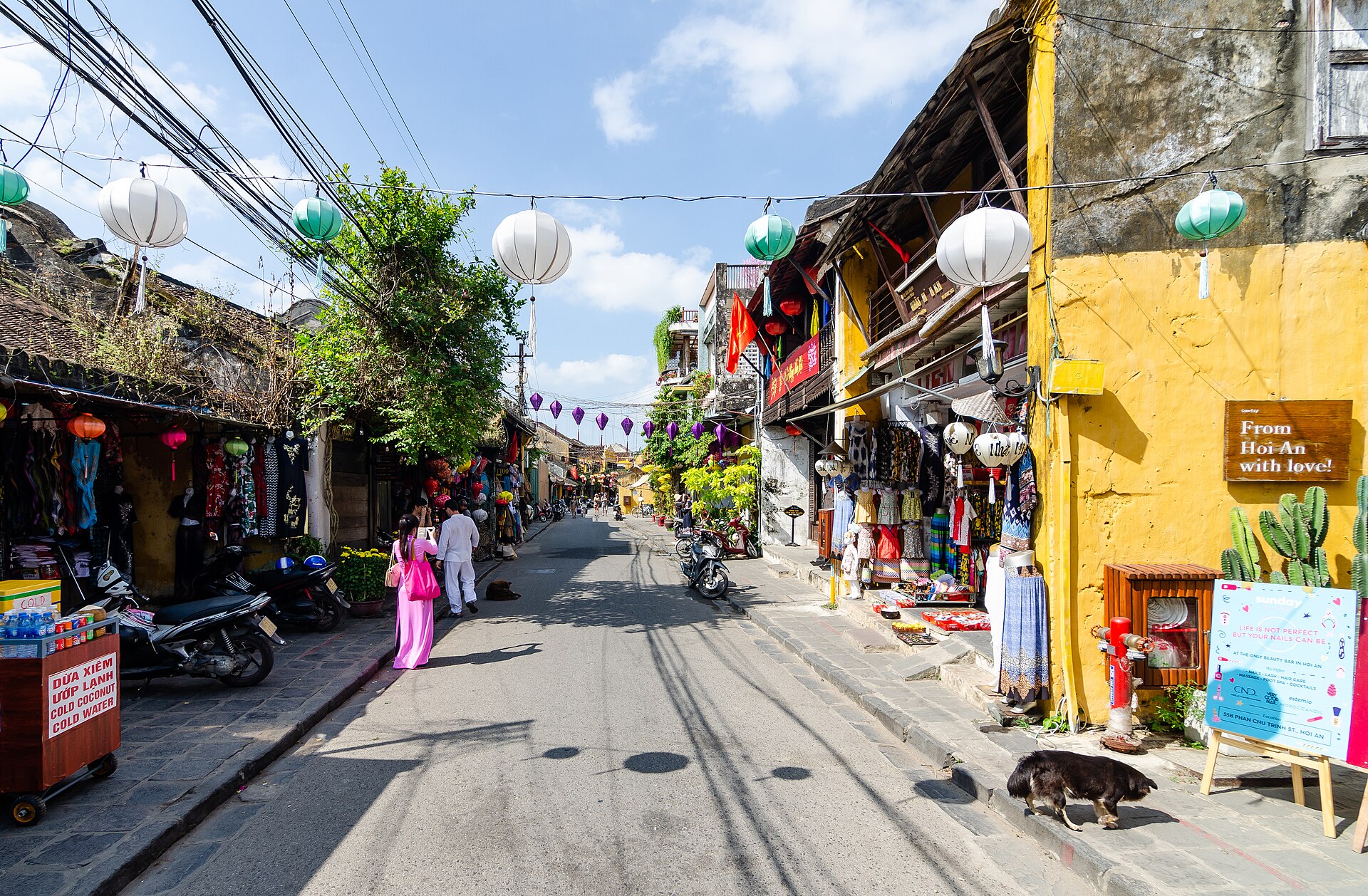
Tailoring has a similar logic. Hoi An’s modern made-to-measure trade grew from textile skills, market access and visitor demand, but the useful distinction is between craft and speed. A good workshop measures carefully, discusses fabric honestly, allows fittings and says no to impossible deadlines. A poor one treats the town’s reputation as a same-day souvenir machine. The mechanism is simple: clothes fit when time, cloth, cutting and adjustment are allowed to do their work.
Food explains the same geography through taste. Cao lau noodles are associated with Hoi An and are usually served with herbs, pork, crisp rice crackers and a small amount of broth; white rose dumplings, banh mi and market snacks show different layers of technique and influence. The point is not to reduce the town to a checklist of dishes. A trading port concentrates ingredients, cooks, migrants and customers, and over time that concentration becomes a local repertoire. River herbs, rice, seafood routes and merchant households all leave traces on the table.
The river also explains why Hoi An had to change. The Thu Bon connected the port to inland production and the sea, but silting, storms and shifts in regional trade eventually moved large-scale commerce elsewhere, especially toward Da Nang. That decline is part of why so much old fabric survived: the town was no longer rebuilt at the speed of a booming modern port. Preservation, in this case, is partly a story of loss, adaptation and later recognition.
The limit is pressure. Hoi An’s popularity brings crowds, souvenir repetition, flooding risk, ticket queues and the temptation to flatten living streets into a stage set. Rainy-season high water can change routes quickly, and conservation has to balance residents, shop rents, visitor numbers and repair of timber buildings in a humid climate. A better visit is slower: walk early, enter a few heritage houses with a ticket, choose tailors by workmanship rather than speed, and eat where the kitchen is busy with local customers as well as tourists. Lanterns are still lovely; they just mean more when you can see the port underneath them.