Home counseling in Kenya shows how HIV testing can become easier for couples and safer for mothers
A Kenyan home-counseling programme for pregnant women and partners increased couples’ HIV testing and supported viral suppression for mothers, while also showing why privacy and clinical linkage matter.
Jonah Reed ·
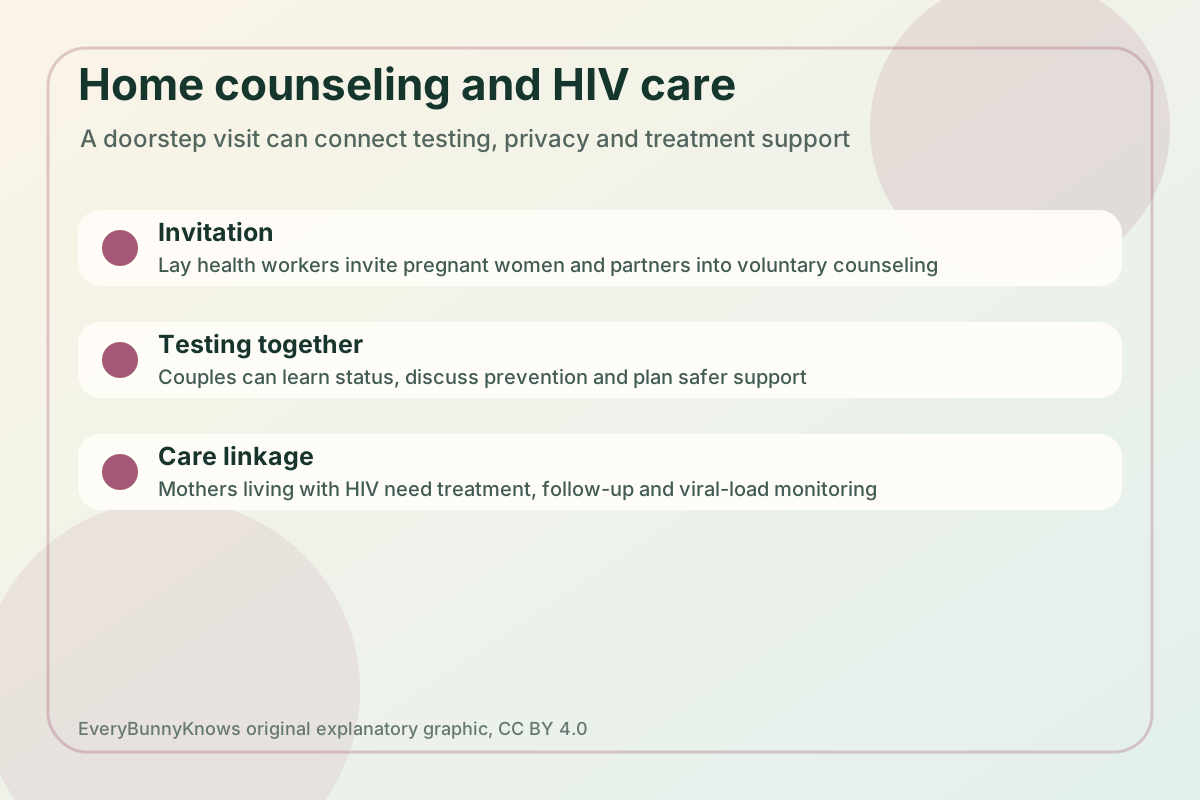
A home visit can change the shape of an HIV conversation. In the Kenyan programme reported in 2026, trained counselors visited pregnant women and their partners at home, offered voluntary couples counseling and HIV testing, and helped connect mothers living with HIV to care. The reported result was not just more testing. Couples were more likely to test together, and mothers with HIV were more likely to achieve viral suppression, a laboratory sign that treatment is controlling the virus and reducing the risk of transmission.
The idea builds on years of work in western Kenya and other settings where antenatal clinics reach many women but often miss male partners. The Jamii Bora study protocol described a couples-focused intervention using male-female pairs of lay health workers to provide home-based counseling and testing for pregnant women and partners in Kisumu and Migori counties. Earlier randomized work in Kenya also found that home visits during pregnancy could increase male partner HIV counseling and testing. The mechanism is practical: move the first conversation closer to family life, reduce travel and clinic barriers, and make partner participation easier.
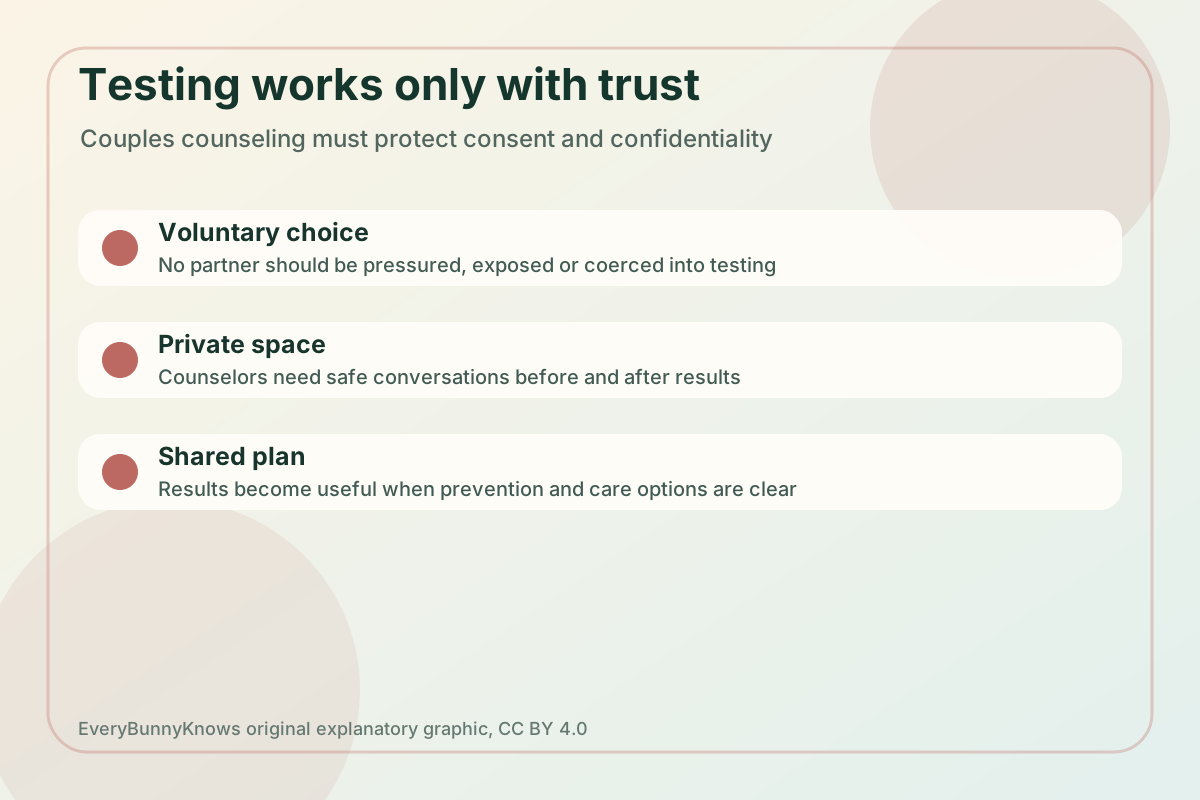
The health reason is clear. WHO guidance describes HIV testing as the entry point to prevention and treatment, while antiretroviral therapy can suppress the virus so strongly that people with sustained undetectable viral load do not transmit HIV sexually. During pregnancy and after birth, effective treatment also protects maternal health and sharply reduces the risk of mother-to-child transmission. Testing couples together can support disclosure, prevention choices, condom use, pre-exposure prophylaxis where appropriate, and shared planning for clinic visits. But the benefit depends on trust.
That is why privacy is not an administrative detail. HIV status can expose a person to stigma, violence, abandonment or financial harm. A home-based programme must protect voluntary consent, confidential conversations and the right not to test with a partner. Counselors need training to recognize coercion, intimate partner violence risk and moments when separate counseling is safer than a joint session. A good programme does not treat the household as a single unit with one voice; it protects each person while inviting shared support where it is safe.
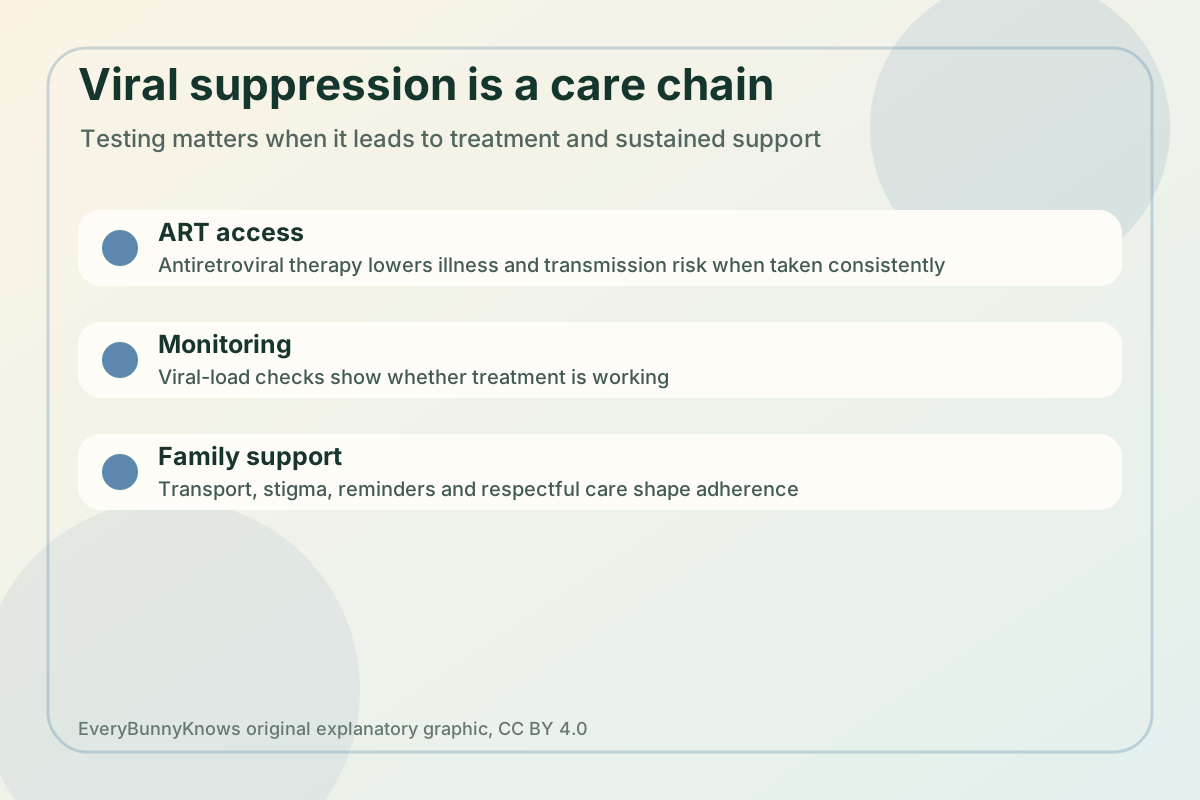
The second boundary is clinical linkage. A positive test is only the start. Mothers living with HIV need prompt antiretroviral therapy, viral-load monitoring, help with side effects or missed doses, infant testing, contraception or pregnancy planning when desired, and respectful services that do not punish disclosure. Viral suppression is not a moral score; it is the result of medication access, stable supply chains, transport, food security, stigma reduction and a care team that can solve problems early.
The study should also be read with limits. Results from a structured programme in Kenyan counties cannot automatically be copied into every health system. Costs, staffing, safety, housing patterns, partner dynamics and local HIV services matter. Home counseling may be powerful in one setting and inappropriate in another if privacy cannot be protected. The hopeful lesson is therefore not that every HIV conversation belongs at home. It is that care improves when testing is brought closer to people’s lives, while confidentiality, choice and a real path into treatment remain non-negotiable.