DNA and Archaeology Put the First Australians on Sahul Around 60,000 Years Ago
Genetic studies of Aboriginal Australian and New Guinean lineages, read beside sites such as Madjedbebe and Lake Mungo, point to one of humanity’s earliest ocean-linked migrations into Sahul about 60,000 years ago.
Jonah Reed ·
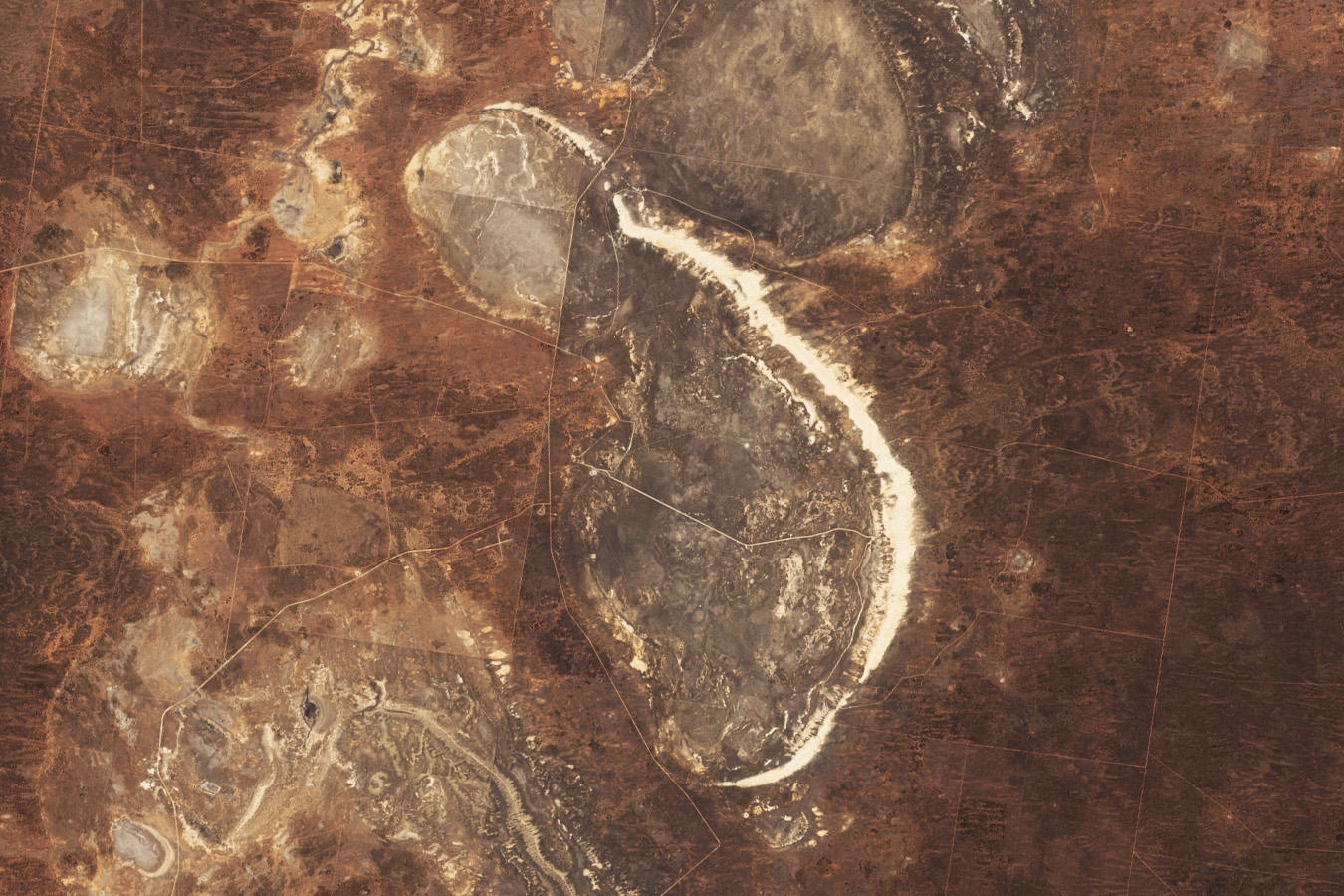
The first people to reach Australia did not arrive on the continent we see on a modern map. Around 60,000 years ago, lower sea levels joined Australia, New Guinea and Tasmania into the larger landmass archaeologists call Sahul. Genetic evidence from Aboriginal Australian and Papuan lineages, read alongside archaeology from northern Australia and the Willandra Lakes, now makes that lost geography easier to picture: the journey was both a land story and a sea story from the beginning.
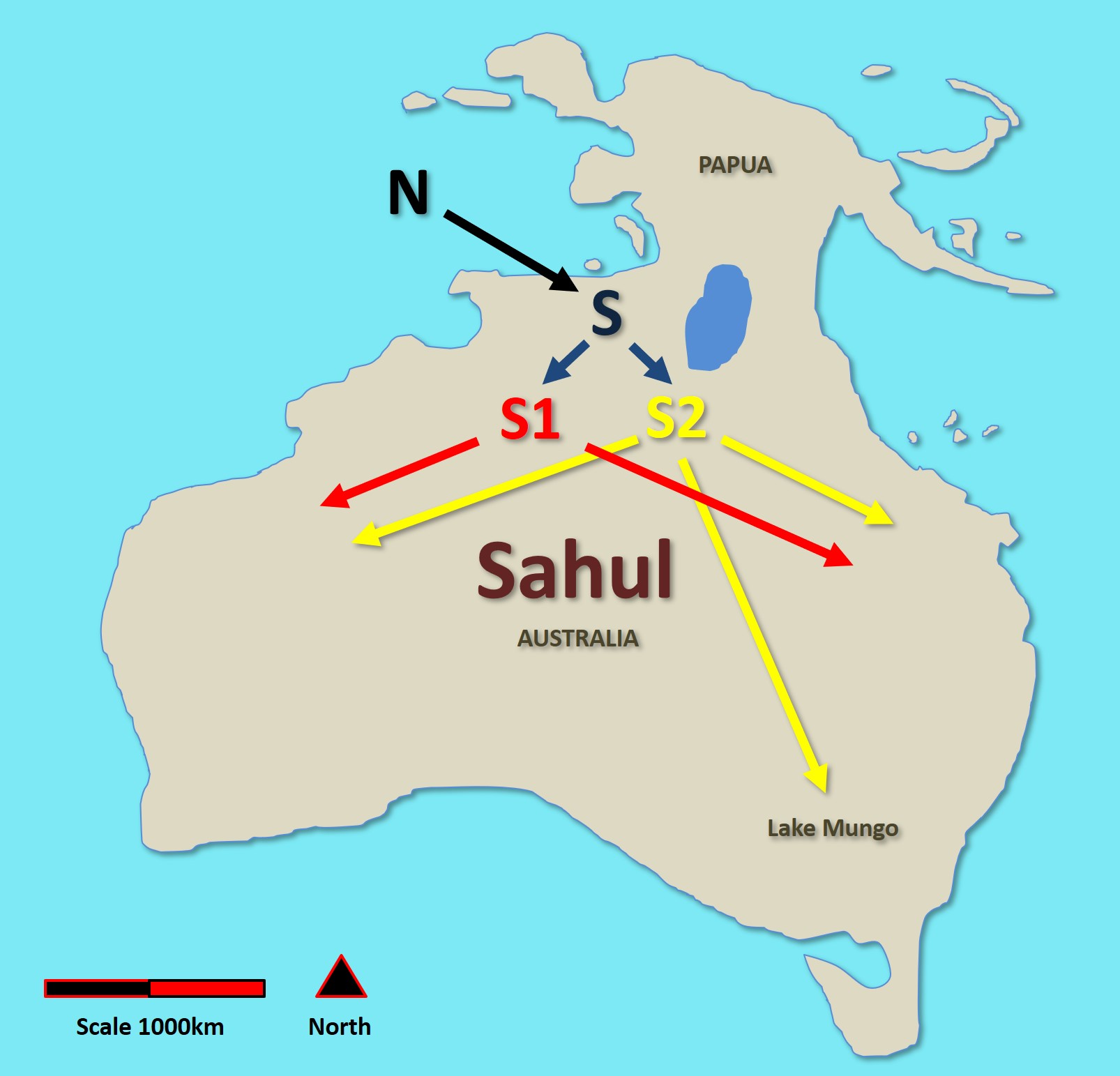
The DNA evidence matters because it gives a different kind of clock from stone tools or buried hearths. Whole-genome studies and mitochondrial DNA studies do not identify a single boat, beach or founding family. Instead, they compare inherited variation among living and ancient-related populations, estimate when lineages diverged and ask whether those estimates fit the archaeological record. Large studies of Aboriginal Australian genomes have found deep separation from other non-African populations and long regional continuity within Australia, while Papuan histories show that New Guinea was part of the same Pleistocene world of Sahul.
Archaeology supplies the ground truth. Madjedbebe, in northern Australia, has been reported with evidence for human occupation at roughly 65,000 years ago, though specialists continue to discuss dating, site formation and interpretation. Lake Mungo and the wider Willandra Lakes region preserve later but still ancient evidence for human presence, ritual and adaptation in the interior. When these traces are placed beside genetic estimates, a broad pattern emerges: people were established on Sahul tens of thousands of years before farming, cities or written records anywhere in the world.
The mechanism was not a simple land bridge from Asia to Australia. During glacial low sea levels, Sunda joined much of mainland Southeast Asia to islands such as Borneo and Java, and Sahul joined Australia to New Guinea. Between them lay Wallacea, a zone of deep-water islands that remained separated even at low sea level. Any route therefore required planned or repeated sea crossings, likely through island chains where people could move step by step, carrying knowledge of currents, shorelines, food and fire.
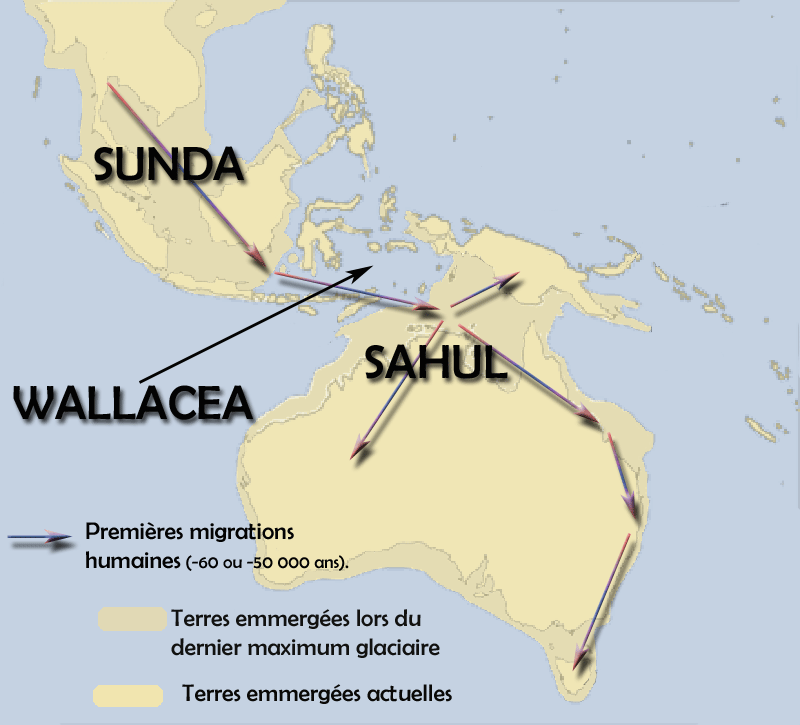
That is why the 60,000-year figure should be read as a careful range, not a stopwatch. Genetic models depend on mutation rates, sampling, assumptions about population size and later mixing. Archaeological dates depend on sediments, disturbance, dating methods and what survives. The important point is the agreement in scale: both lines of evidence place the first peopling of Sahul very early in the global expansion of Homo sapiens.
The finding also changes the emotional scale of Australian history. It points to a human presence measured not in centuries of colonial record, but in hundreds of centuries of local knowledge, language, movement and adaptation. For readers outside Australia, that is a reminder that the oldest chapters of human exploration were not written only across open grasslands or along ice-age coasts; they also crossed tropical islands and dark water.
A hopeful conclusion is therefore a precise one. Better ancient DNA methods, respectful collaboration with Indigenous communities and careful re-examination of old sites can sharpen the map without reducing it to a single origin myth. The story of reaching Sahul remains partly open, but it is already clear that the first Australians belonged to one of humanity’s most demanding and successful early journeys.