Achondroplasia growth trials widen the conversation about children’s care
Recent pediatric achondroplasia trials, including work on long-acting C-type natriuretic peptide analogs, report higher annualized growth velocity under specialist supervision. The finding belongs inside broader care that respects function, complications, family goals and disability rights.
Mira Vale ·
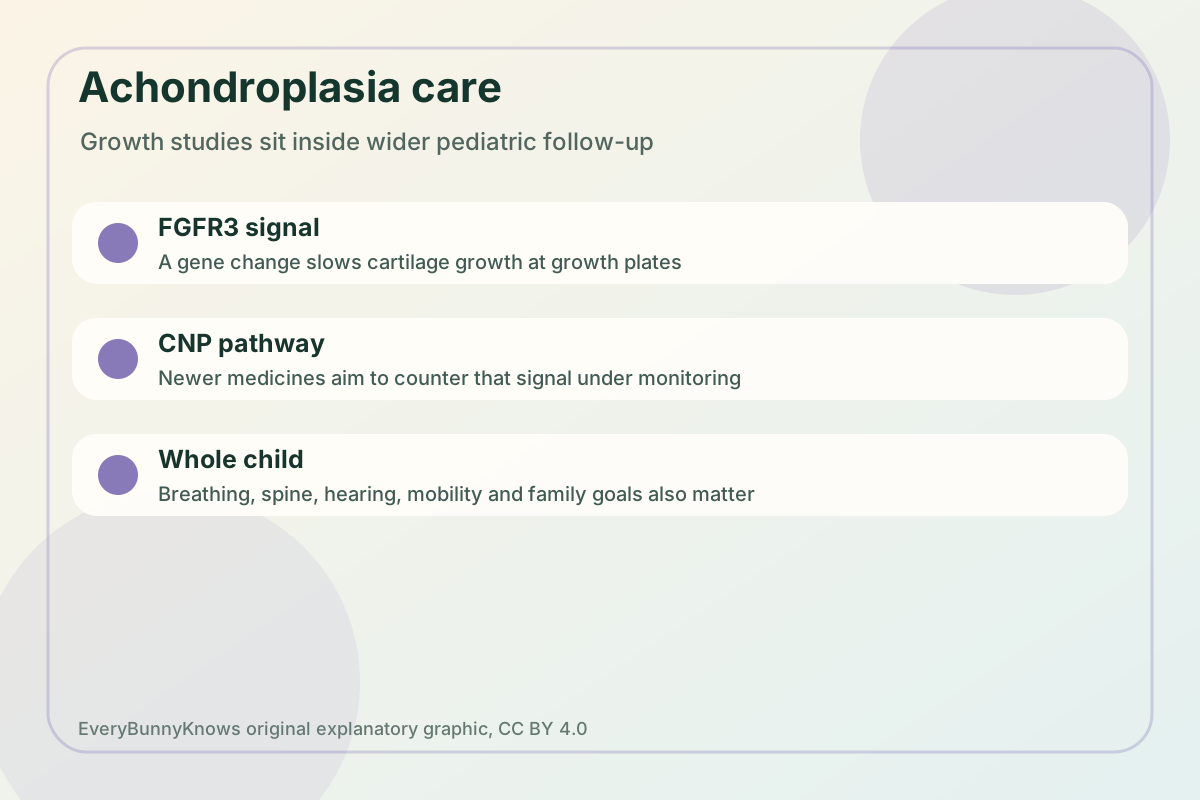
Children with achondroplasia are often followed by many specialists before anyone talks about a growth-promoting medicine. Achondroplasia is usually caused by a gain-of-function change in FGFR3, a gene that normally helps regulate cartilage growth at the growth plate. When that signal is too active, the long bones grow more slowly. Recent pediatric trials, including studies of long-acting C-type natriuretic peptide analogs such as navepegritide, have reported increased annualized growth velocity in children with achondroplasia under close clinical monitoring.
The result is clinically meaningful because growth in achondroplasia is not only a number on a wall chart. Height can affect reach, step height, seating, mobility, procedures and daily design. At the same time, children with achondroplasia may need surveillance for foramen magnum narrowing, sleep-disordered breathing, ear and hearing problems, spinal stenosis, bowed legs or developmental and orthopedic questions. Good care therefore reads growth data alongside function, symptoms, family priorities and the child’s own experience.
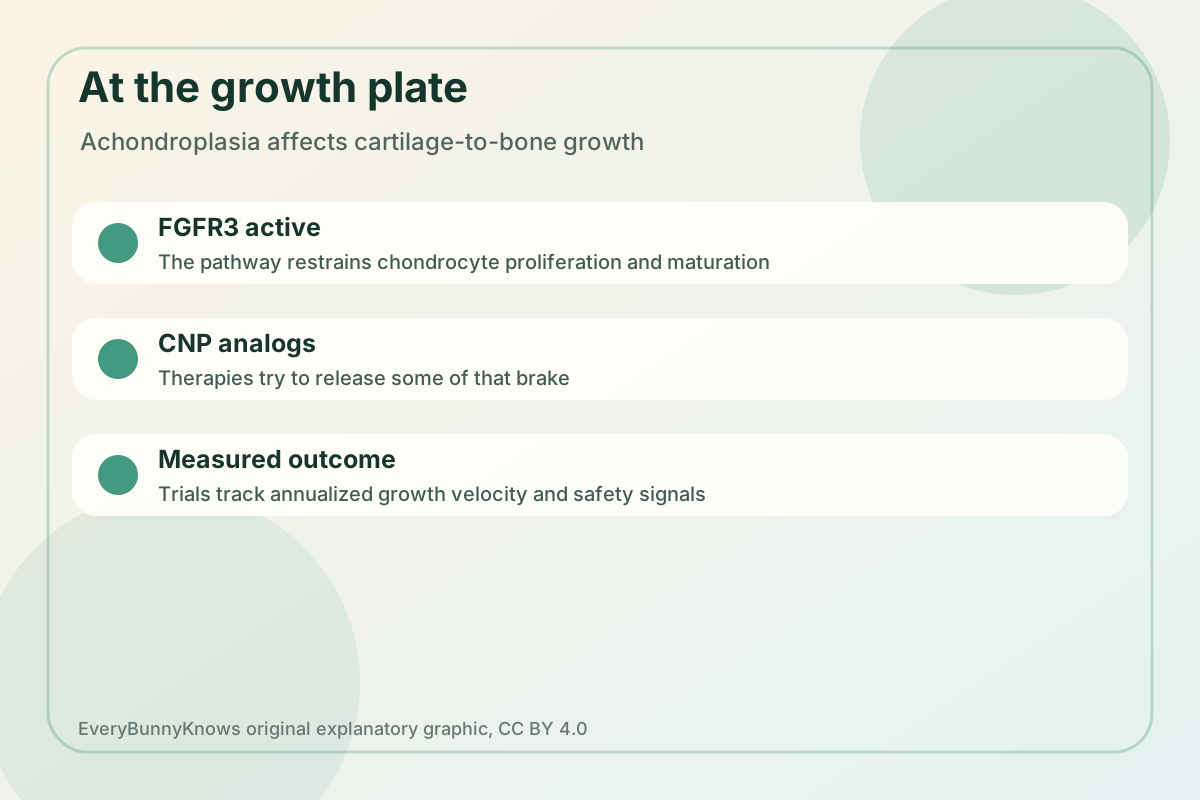
The mechanism behind the newer medicines follows a known biological counter-signal. C-type natriuretic peptide, or CNP, can oppose parts of the overactive FGFR3 pathway in cartilage cells. Vosoritide, the first approved CNP analog in several regions, helped establish that targeting this pathway could increase growth velocity for some children. Newer long-acting approaches are being studied to reduce dosing burden or refine response, but trial results still have to be judged by age, pubertal stage, baseline growth, adverse events, adherence and what outcomes beyond height were measured.
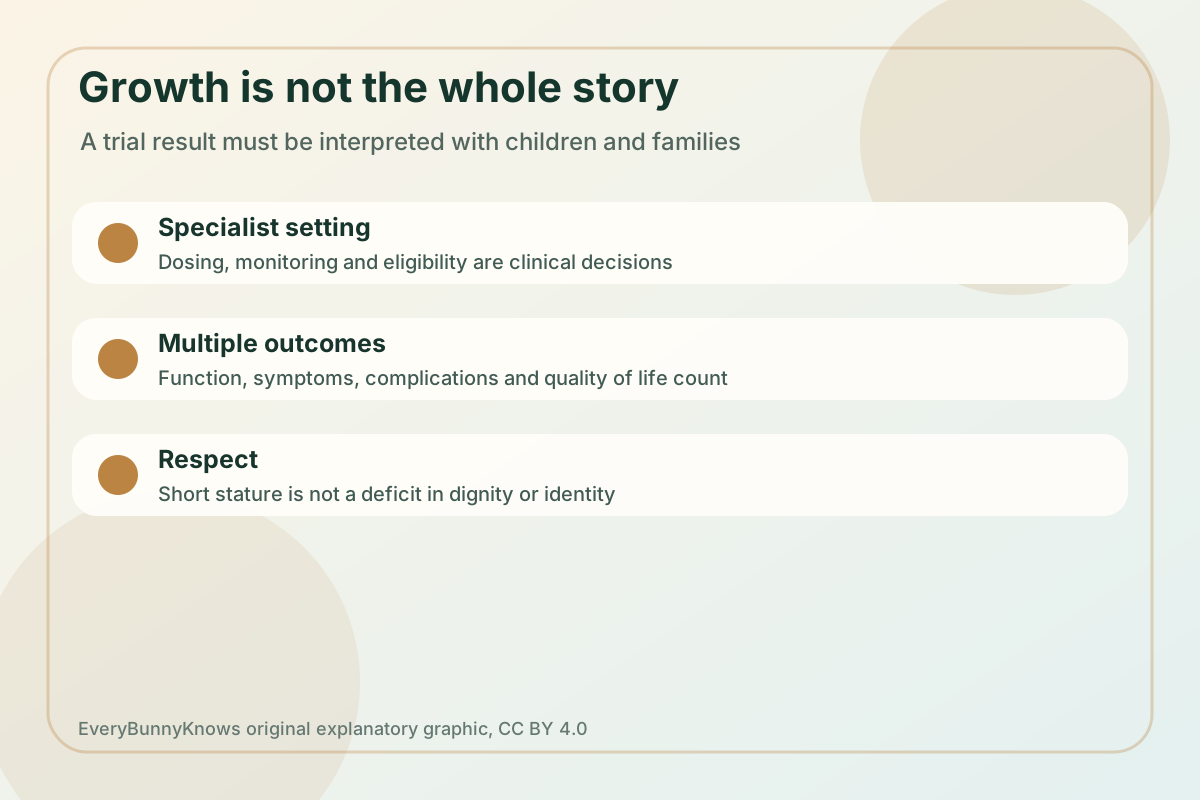
Growth is only one outcome in achondroplasia care. A trial that reports a faster annualized growth velocity does not say that every child should receive a given therapy, that all families value the same endpoints or that short stature itself is a problem to be fixed. It says that a pathway can be modified in a supervised pediatric setting. Decisions belong with qualified teams, families and, as children mature, the young people themselves, with attention to benefits, uncertainties, access and long-term follow-up.
The broader lesson is that rare-disease research is becoming more specific. Instead of treating dwarfism as a single category, clinicians can distinguish achondroplasia from other skeletal dysplasias, measure growth with condition-specific charts and test therapies against the biology involved.
That specificity also protects families from over-simple stories. A trial endpoint such as annualized growth velocity is useful because it can be measured consistently, but it does not capture school access, playground design, pain, sleep, surgery decisions or how a child feels about repeated injections and clinic visits. Researchers therefore need longer follow-up and patient-reported outcomes, not only centimeters per year. Safety monitoring also matters because children may remain on therapy through changing growth phases, and rare events can be missed in short trials. Eligibility criteria, injection burden, growth-plate timing and local access can make a study result feel very different, clinically and emotionally, from one family to another. The responsible conclusion is not a promise of a standard childhood body. It is a chance for better-informed choices, safer monitoring and care that combines molecular evidence with accessibility, inclusion and respect.