In the Middle of Somewhere
A trip to Alliance, Nebraska, uses Carhenge and the High Plains to undo the phrase “middle of nowhere”: maps do not show emptiness, but relationships among routes, land, memory and people.
Matyáš Král ·
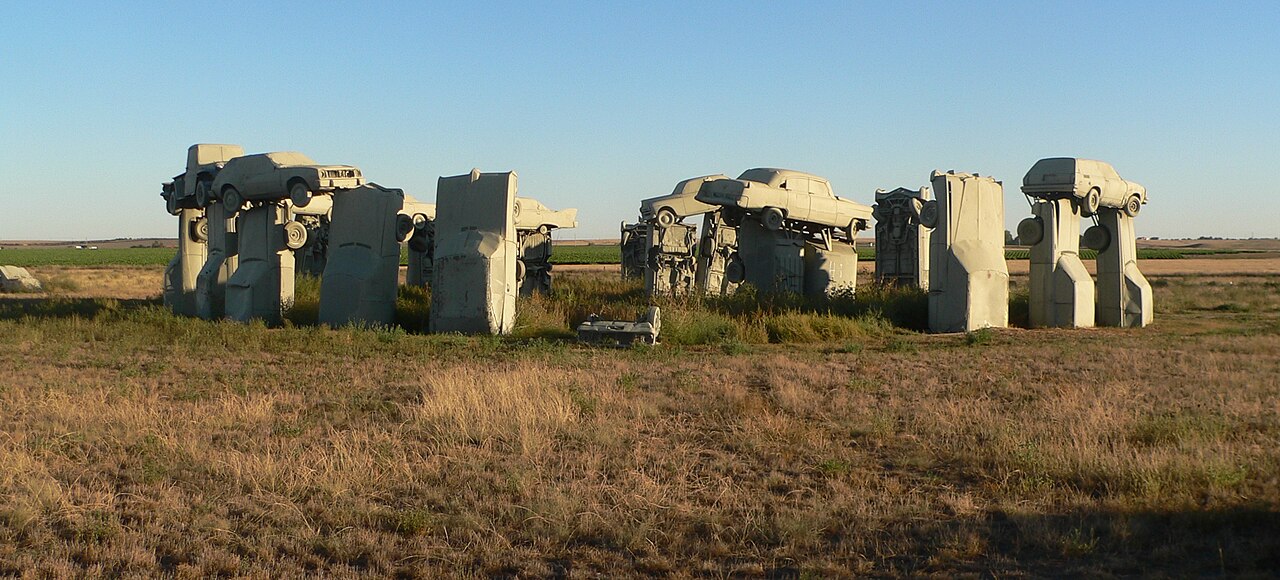
“Where are you?” is a simple question until the answer makes someone laugh. Alliance, Nebraska, sits in the western part of the state, far from the coastal cities that often set the scale of American imagination. To a traveller passing through Denver, Omaha or Chicago, it can be tempting to call the Nebraska Panhandle the middle of nowhere. A better map says something more interesting: it is the middle of a particular somewhere.
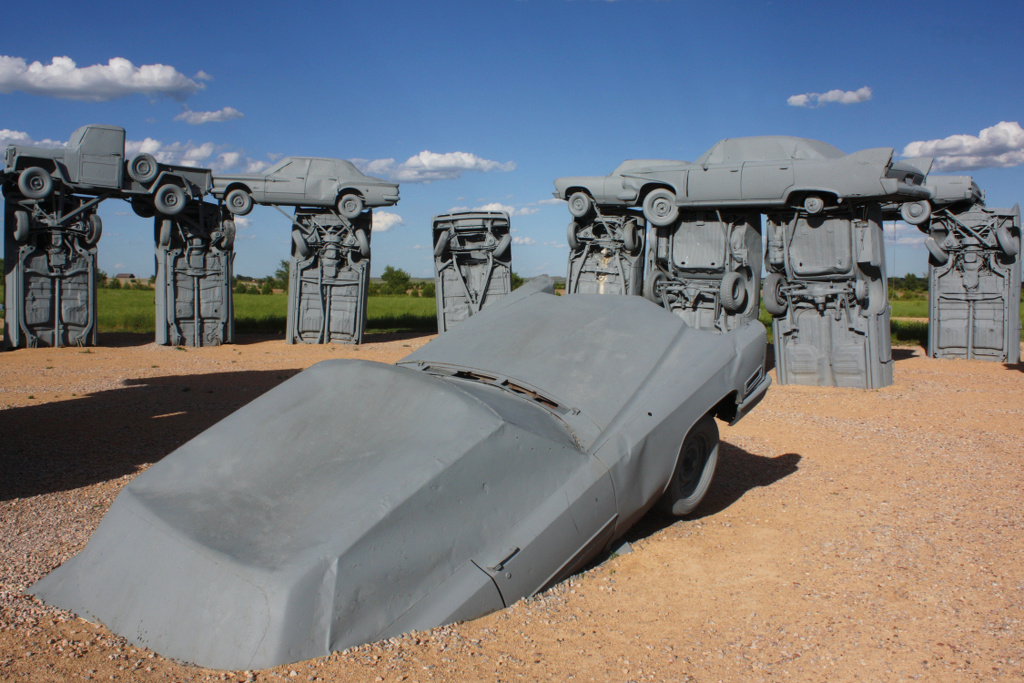
The most famous proof is Carhenge, the roadside landmark north of Alliance where vintage automobiles stand upright in a circle and lintel-like pairs, painted grey to echo Stonehenge. It was built in 1987 by Jim Reinders as a memorial to his father, and the joke works because it is both affectionate and geographically precise. Stonehenge belongs to the chalk landscape of Wiltshire; Carhenge belongs to a High Plains town where highways, farms, rail lines, open sky and car culture meet. It does not pretend Nebraska is England. It lets Nebraska answer England with scrap metal, humour and scale.
That is why an Atlas Obscura-style detour can become a small lesson in geography. “Nowhere” usually means “not on the route I expected,” or “not important to the people who taught me what mattered.” But places are not empty because they are far from a hub. Alliance grew with the railroad and remains connected to ranching, farming, regional roads, the Sandhills to the east, the Pine Ridge country to the north and the long distances of the Great Plains. Its landscape has fewer visual interruptions than a city, but fewer interruptions do not mean fewer meanings.
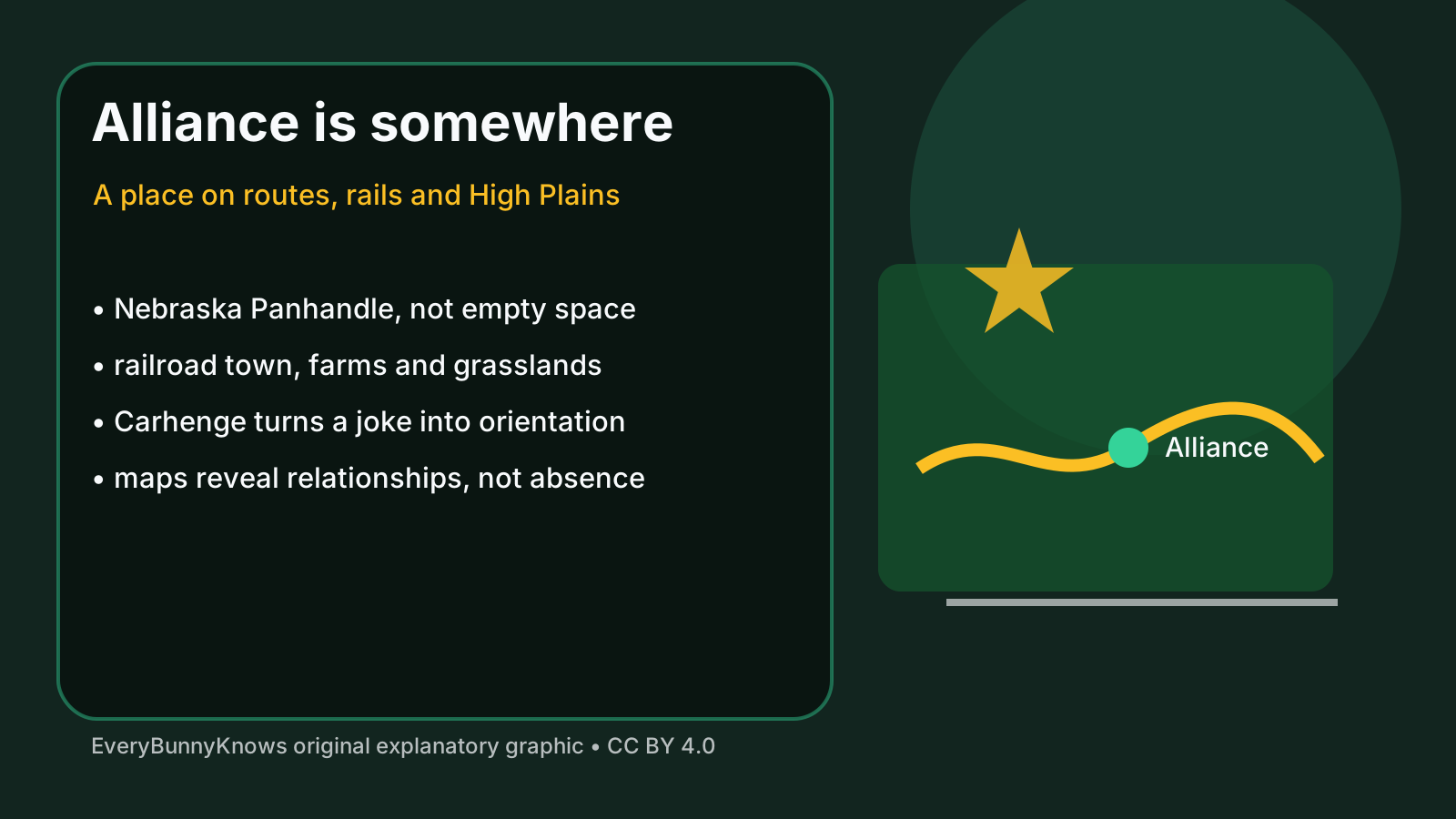
The mechanism is linguistic as much as physical. A map that marks only airports and interstates can make rural regions look like gaps between destinations. A map that adds rail yards, grain elevators, aquifers, Indigenous histories, county seats, grasslands, wind exposure, tourist stops and family cemeteries becomes dense very quickly. The same coordinates change value when the reader changes the layer. In that sense, geography is not just the study of where things are; it is the study of which relationships we decide to see.
There are limits to romanticising remoteness. Rural distance can mean long ambulance rides, fewer services, fragile local newspapers, hard weather and economic dependence on decisions made elsewhere. Calling every overlooked place charming would be another way of refusing to look closely. The point is not that Alliance is secretly a metropolis, or that every roadside attraction solves rural challenges. The point is that the phrase “middle of nowhere” hides those challenges behind a shrug.
A better phrase is “middle of somewhere I have not learned yet.” Carhenge helps because it is impossible to treat as blank. It makes a visitor stop, laugh, photograph, ask who built it, notice the road, and perhaps notice the town beyond the landmark. That is a modest but real geographic repair. The next time a map seems empty, it may be worth zooming in before judging the place. Somewhere is often already there; attention is the thing arriving late.