An indigenous edible mushroom turns farm residues into food — if cultivation and safety do the quiet work
Research on Lentinus squarrosulus shows how a locally valued edible mushroom can grow on agricultural residues under controlled conditions. It is a circular-food story, not a health cure: strain identity, substrate quality and food-safety testing are what make the idea credible.
Mira Vale ·
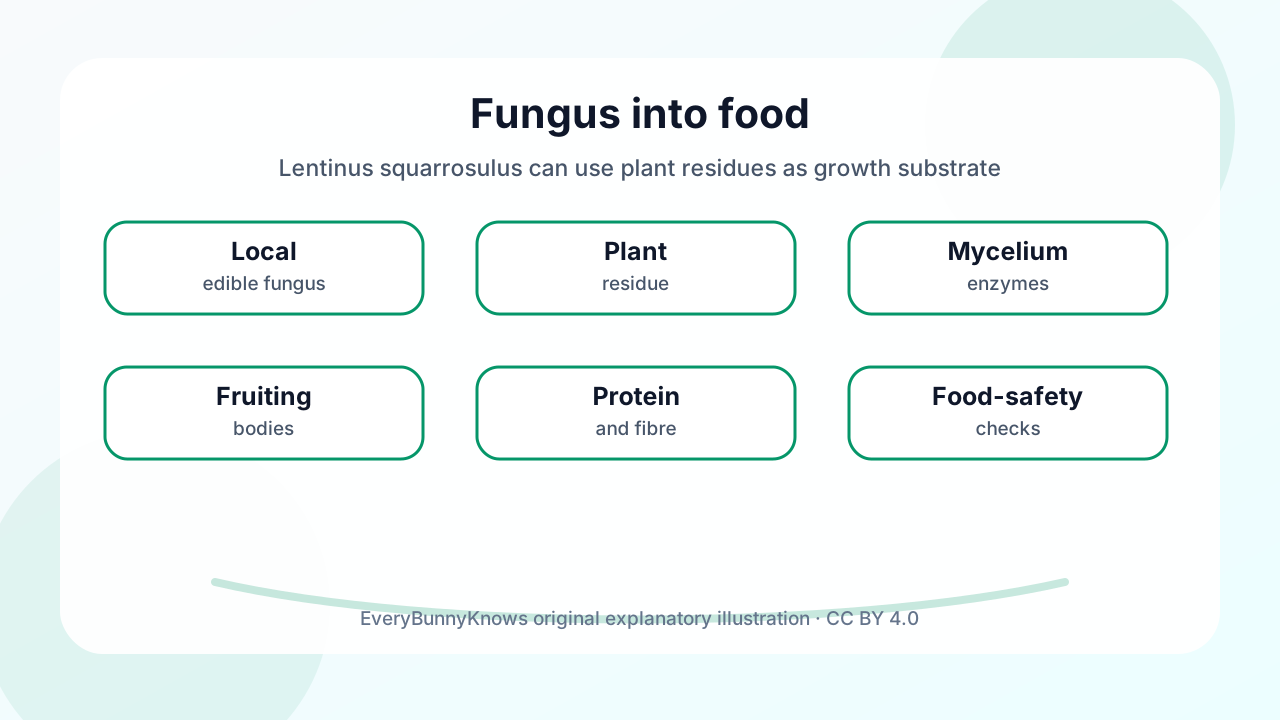
A mushroom can make agricultural waste look less like an ending and more like an ingredient. Lentinus squarrosulus, an edible tropical mushroom valued in parts of Africa and Asia, has been studied as a species that can grow on locally available plant residues under controlled conditions. The idea is simple enough to picture: stalks, husks, sawdust or other lignocellulosic leftovers become a substrate for fungal mycelium, and the fungus converts part of that tough plant material into edible fruiting bodies.
The mechanism is enzymatic, not magical. Wood- and straw-loving fungi secrete enzymes that break down cellulose, hemicellulose and lignin-rich structures that humans cannot digest well. Under the right moisture, temperature, aeration and hygiene, the mycelium colonizes the substrate and later forms mushrooms that contain water, fibre, protein, minerals and characteristic fungal compounds. That is why cultivation research often treats mushrooms as a bridge between waste management, local food production and small-scale livelihoods.
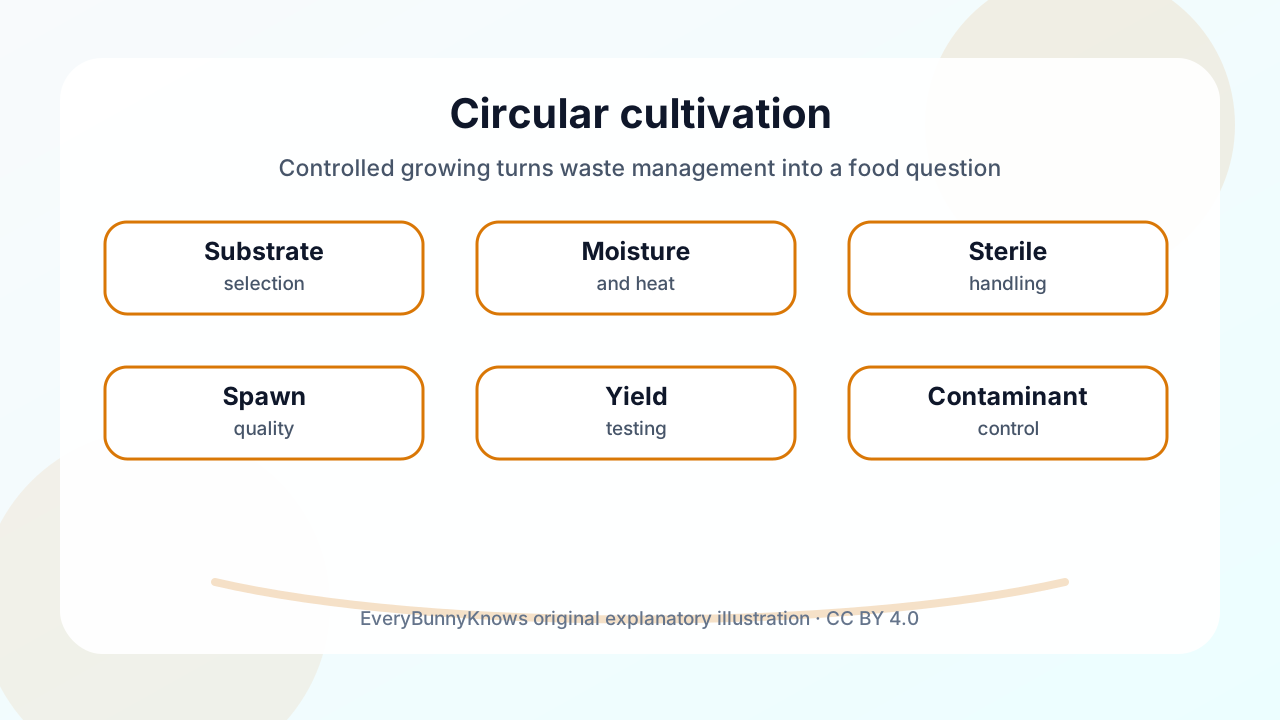
For readers, the strongest part of the story is not the word “waste” but the word “controlled.” Agricultural residues can carry soil, pesticides, moulds, heavy metals or other contaminants depending on where they came from. A credible food project has to identify the fungal strain correctly, prepare the substrate safely, monitor contamination, harvest at the right stage and test nutritional and safety outcomes before recommending wider use.
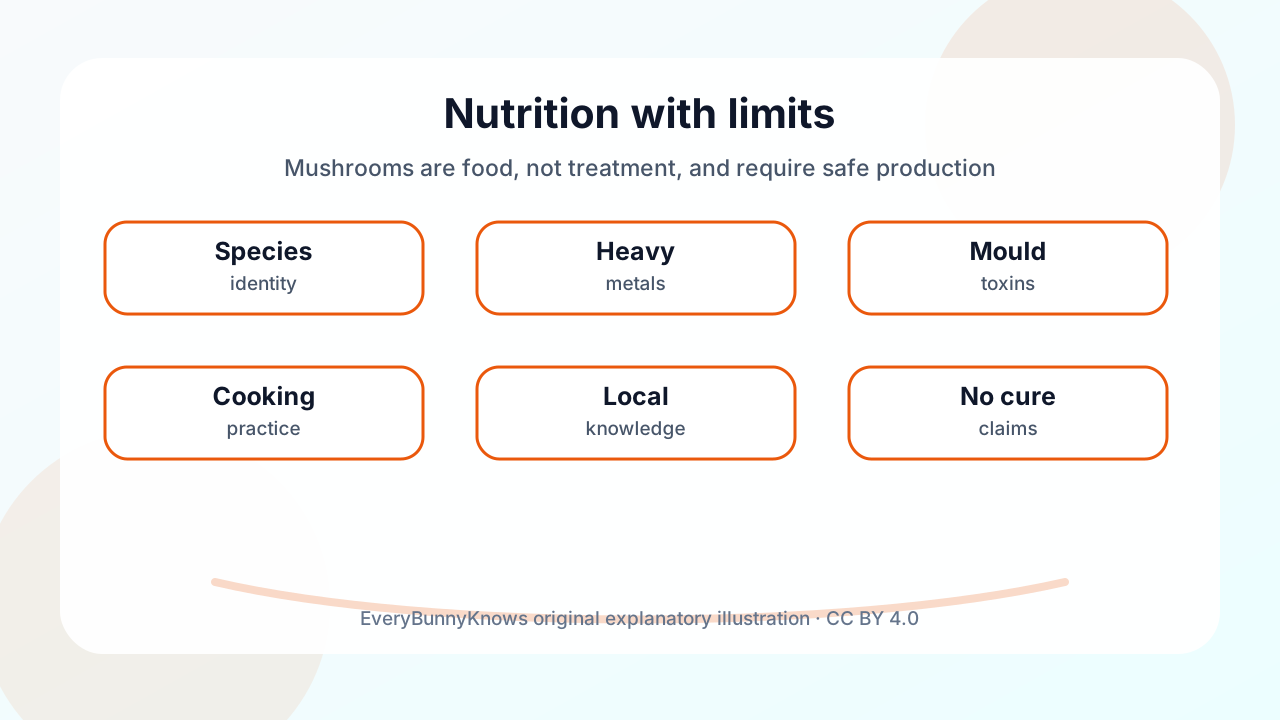
This is also why the Medicine category needs careful boundaries. Mushrooms can be nutritious foods, and many cultures have long culinary knowledge about local species. That does not make this a treatment for disease, a supplement recommendation or a reason to eat unidentified wild mushrooms. Food safety begins with correct identification and production conditions; nutrition claims should come from measured composition, not folklore or wellness language.
The context is encouraging. Circular food systems need low-cost ways to turn residues into value without pretending that every by-product is automatically safe or profitable. If Lentinus squarrosulus performs well on local substrates, growers could reduce disposal problems, diversify diets and create income close to farms. But scale brings new questions: consistent spawn supply, training, drying or cold storage, market acceptance, regulations and laboratory access for testing.
A sober hopeful reading is therefore better than an oversized headline. The mushroom is not a treatment for disease, and it does not erase hunger or solve farm waste by itself. It shows a biological route that can be tested: choose a safe substrate, grow a known edible fungus, measure yield and nutrition, reject contaminated batches and teach the method locally. The most useful versions will also compare costs with composting, animal feed or ordinary disposal, because circular farming has to make sense for growers as well as researchers. If those steps hold up outside the laboratory, a leftover from the field can become a safer, more useful food resource.